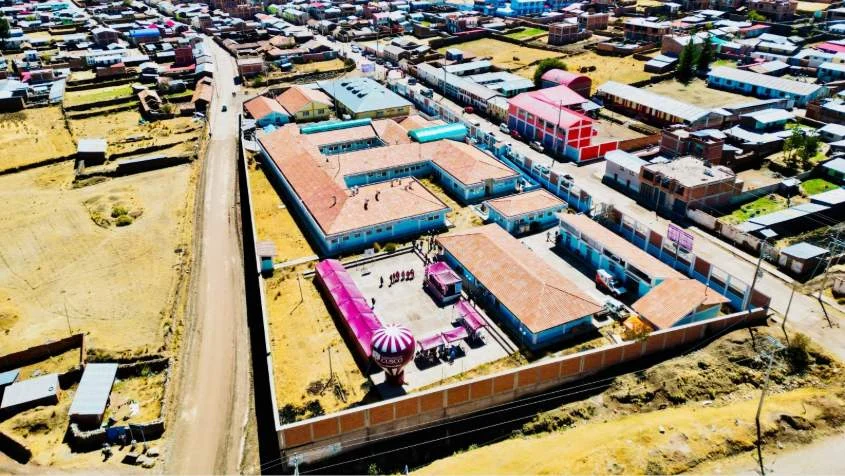
CUSCO, PERU – In a significant move to bolster public health infrastructure in the high-Andean regions of Peru, the Regional Government of Cusco has officially commenced a comprehensive improvement project for the Yanaoca Health Center. With a total investment of S/ 7.5 million, this initiative marks a pivotal step toward decentralizing quality medical care and addressing long-standing deficiencies in the region’s primary healthcare network.
The project, categorized under the Investment Optimization, Marginal Expansion, Rehabilitation, and Replacement (IOARR) framework, is designed to overhaul both the physical facilities and the technological capacity of the institution. Spanning an execution period of 300 calendar days, the renovation is set to transform the health center into a modern facility capable of meeting the evolving medical needs of the local population.
The Core Project: A Comprehensive Transformation
The scope of the intervention at the Yanaoca Health Center is extensive, reflecting a strategic approach to medical infrastructure that moves beyond simple cosmetic repairs. According to official project specifications, the renovation includes:
- Infrastructure Expansion: The construction of new, specialized medical consulting rooms to increase patient volume capacity.
- Emergency and Urgent Care Overhaul: A total remodeling of the emergency and urgent care units (tópico), ensuring that critical care spaces are equipped to handle high-stress medical situations.
- Hospitalization Upgrades: Improvements to the internal patient wards to ensure comfort, hygiene, and adherence to modern health standards.
- Advanced Diagnostic Technology: The acquisition and integration of a state-of-the-art digital X-ray system, significantly reducing wait times for diagnostic imaging and improving the accuracy of clinical assessments.
- Dental Care Enhancement: The installation of a new, high-specification dental unit to improve oral health access in the community.
- Specialized Health Zones: A dedicated block specifically engineered for the prevention and control of tuberculosis (TB), a critical inclusion given the regional epidemiological profile.
- Logistical Improvements: Upgrades to essential support systems, including pharmacy facilities, laundry services, and the establishment of a robust "cold chain" system to ensure the safe storage of vaccines and temperature-sensitive medications.
Chronology of the Project
The path to this transformation began with a rigorous technical assessment ordered by the regional administration.

- Phase I: Technical Diagnosis: Following an initial audit of regional healthcare facilities, the Cusco regional authorities identified critical gaps in the Yanaoca center’s performance. Issues included outdated equipment, insufficient water supply, poor physical accessibility for patients with reduced mobility, and inadequate emergency response capabilities.
- Phase II: Budget Allocation and Planning: Once the gaps were identified, the Gerencia Regional de Gestión de Inversiones de Infraestructura finalized the budget. The funding is sourced directly from the region’s canon and sobrecanon—revenues generated by extractive industries—demonstrating a commitment to reinvesting natural resource wealth into social development.
- Phase III: Launch and Groundbreaking: The project reached its official commencement in August 2026, with Governor Werner Salcedo Álvarez presiding over the ceremonial groundbreaking.
- Phase IV: Execution (Current): The project is currently in the active construction and procurement phase, with a scheduled completion date 300 days from the launch.
Impact and Socio-Economic Implications
The Yanaoca Health Center serves as a vital anchor for the local community. The project is projected to provide direct benefits to approximately 1,564 families within its immediate area of influence.
Strengthening Capacity
The primary goal of this investment is to enhance the "resolutive capacity" of the facility. In remote Andean areas, the ability of a local center to diagnose and stabilize patients—rather than forcing them to travel long distances to regional hospitals—is a life-saving distinction. By reducing the reliance on secondary and tertiary hospitals, the Yanaoca project acts as a gatekeeper for public health, optimizing the use of regional resources.
Closing Health Gaps
Regional authorities have framed this investment as part of a broader strategy to "close gaps" in social infrastructure. In many rural districts of Cusco, infrastructure has lagged behind demographic growth. By modernizing the Yanaoca center, the regional government is directly addressing health inequities that have historically forced residents to forgo care due to distance or the perceived inadequacy of local facilities.
Official Responses and Stakeholder Perspectives
The Governor’s Stance
Governor Werner Salcedo Álvarez emphasized the human element of the project during the inauguration ceremony. "In Yanaoca, we are taking a firm step to close gaps and guarantee better conditions for families and our healthcare personnel," the governor stated. He underscored that the success of the project is not just measured in cement and machinery, but in the improved well-being and health outcomes of the population.

Calls for Civic Vigilance
Beyond the technical aspects of the construction, the Governor issued a strong appeal to the community for civic participation. "This work belongs to Yanaoca. We need the participation and vigilance of local leaders and the entire population to ensure that every sol is invested in the best possible way," he urged. This call to action highlights the administration’s desire to promote transparency and social accountability, ensuring that the project remains free from the delays or mismanagement that often plague public infrastructure projects in remote regions.
Technical and Administrative Execution
The project is being managed under the modality of "direct administration" (administración directa). This means the regional government acts as the executor, utilizing its own technical teams and resources to manage the procurement and construction phases.
This model is intended to streamline the process, as it removes the complexities of third-party contracting, though it places a higher burden of responsibility on the Gerencia Regional de Gestión de Inversiones de Infraestructura to ensure technical standards are strictly met. The reliance on canon funds serves as a reminder of the vital link between Peru’s mining/extractive sector and the financing of essential social services.
Broader Context: A Regional Wave of Improvement
The Yanaoca project is not an isolated event. It is part of a larger, ambitious agenda by the Cusco Regional Government to renovate the health map of the region. As seen in other major initiatives—such as the massive water and sewage projects currently being pushed in the district of Chilca—the regional government is focusing heavily on "basic sanitation and health" as the dual pillars of sustainable development.

The Role of Infrastructure in Rural Health
For communities like Yanaoca, the health center is the heart of the town. When the facility is neglected, the entire social fabric suffers. The inclusion of specialized areas like a tuberculosis control ward suggests that the government is moving toward a more proactive, preventative model of care rather than a strictly reactive one.
The integration of modern diagnostic tools, specifically the digital X-ray machine, represents a leap into the 21st century for a town that has historically relied on antiquated or manual equipment. This digital transition is expected to facilitate telemedicine opportunities in the future, allowing local doctors to share diagnostic images with specialists in Cusco city or Lima for faster consultation.
Conclusion
The S/ 7.5 million investment in the Yanaoca Health Center is a testament to the importance of regional-level governance in Peru. By focusing on the specific, localized needs of the Yanaoca community, the Cusco Regional Government is demonstrating how targeted infrastructure investment can have a multiplier effect on public health.
As the 300-day construction timeline progresses, the eyes of the community and the oversight of the regional government will be focused on the timely delivery of a facility that promises not just better buildings, but a higher standard of living and a more resilient public health system for the people of the Andes. The project stands as a clear example of how, when regional authorities prioritize the health of their citizens, they create the necessary foundations for long-term economic and social stability.