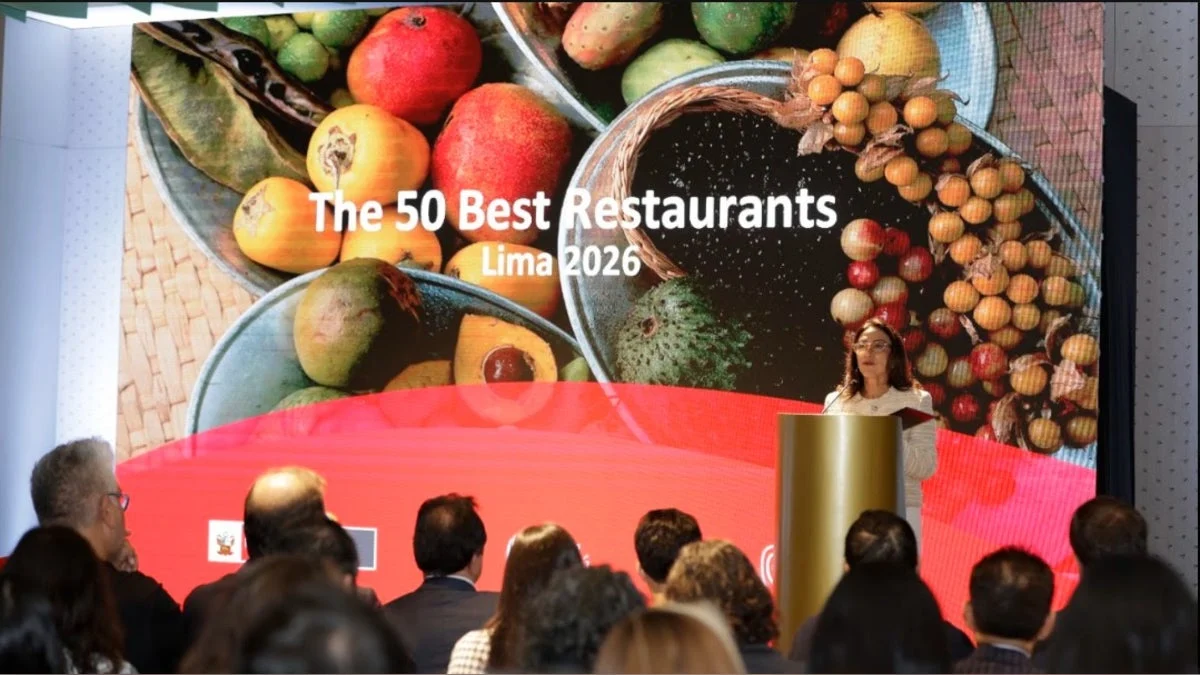
For the first time in its history, the prestigious The World’s 50 Best Restaurants—an event widely regarded as the "Oscars of the culinary world"—will descend upon Latin America. From November 2 to 4, 2026, the historic and vibrant city of Lima, Peru, will serve as the global stage for the industry’s most anticipated gathering. The Gran Teatro Nacional and the Municipal Theatre of Lima will play host to over 1,200 of the most influential chefs, journalists, industry leaders, and content creators from more than 34 countries.
This historic selection is not merely a logistical milestone; it is a recognition of Peru’s ascent as a culinary superpower. With two of its own—Central and Maido—having claimed the top spot in recent years, Lima has cemented its reputation as a destination where tradition meets innovation, and where the biodiversity of the Andes, the Amazon, and the Pacific Ocean converge on a plate.
The Magnitude of the Event: A Global Spotlight
The choice of Lima as the host city is a strategic move that leverages the massive reach of the 50 Best platform. With a digital footprint spanning over 4 million social media followers and an annual web traffic of 8.8 million users, the event provides unparalleled exposure. For three days, the eyes of the gastronomic world will be fixed on the Peruvian capital, showcasing not just the high-end dining scene, but the country’s entire supply chain, from the smallest Andean farmers to the bustling urban huariques (hidden gem eateries).
Beyond the prestige, the event is a significant economic engine. According to Teresa Mera Gómez, President of Promperú, the gathering is projected to inject approximately US$2 million into the local economy immediately. This stimulus is expected to ripple across multiple sectors:
- Aviation and Logistics: Projections indicate the acquisition of over 700 international airfare tickets.
- Hospitality: Hotel occupancy spending is estimated to reach US$400,000.
- Food and Beverage: Consumption during the event is expected to contribute over US$300,000 to local suppliers and restaurants.
- Production Services: Another US$300,000 is earmarked for local event production companies, demonstrating the professional caliber of Peru’s event management industry.
A Three-Day Odyssey: The Official Chronology
The event is meticulously structured to facilitate networking, knowledge sharing, and, most importantly, the celebration of culinary art.
Day 1: The Welcoming Table (November 2)
The proceedings kick off with the "Almuerzo de Bienvenida" (Welcome Lunch). This is a strategic networking event designed to immerse international delegates in the Peruvian flavor profile. It serves as an introduction to the local ingredients and techniques that have made Peru a global leader in gastronomy.
Day 2: Intellectual Exchange (November 3)
The focus shifts to the "50 Best Talks," a series of forums dedicated to the future of the industry. Topics ranging from sustainability and the role of technology in the kitchen to the preservation of indigenous culinary knowledge will be discussed. This is where the industry’s thought leaders define the agenda for the coming years, ensuring that the dialogue extends far beyond the plate.
Day 3: The Grand Ceremony (November 4)
The climax of the visit occurs at the Municipal Theatre of Lima, where the 2026 list will be officially unveiled. This ceremony is the definitive moment for restaurants globally, often resulting in immediate, life-changing shifts for those who make the cut. The event will also feature the presentation of prestigious accolades, including:
- The Sustainable Restaurant Award: Recognizing establishments that prioritize ecological balance.
- The World’s Best Female Chef: Honoring trailblazing women in a traditionally male-dominated field.
- One to Watch: Identifying the rising stars of the culinary world.
The "Micha" and Virgilio Effect: Voices from the Top
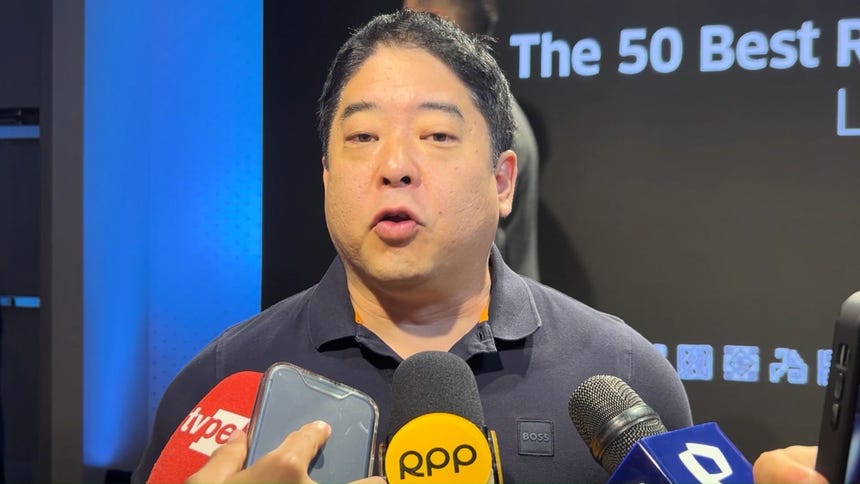
The excitement surrounding the event is best captured by the chefs who have put Peru on the map. Mitsuharu "Micha" Tsumura, the visionary behind Maido—crowned the best in the world in 2025—notes that the anticipation among his peers is palpable.
"We have had the opportunity to attend several editions around the world, and I truly believe that Peru will be the best host that 50 Best has ever had in its history," says Tsumura. "There is immense joy among the cooking community. Visitors aren’t just coming for the fine-dining restaurants; they want to eat in our markets and our huariques. They want to experience Peru from its roots, understand our products, and perhaps even travel to our diverse regions."
Virgilio Martínez, the mastermind behind Central, which topped the list in 2023, emphasizes the democratization of this influence. "This event puts a spotlight not only on haute cuisine but on regional gastronomy and small restaurants. The impact on local businesses will be significant—from markets to producers. It sends a message to other industries that are not traditionally linked to gastronomy: everything is connected. When you talk about our food, you are talking about our culture, our biodiversity, and our history."
Implications for the Future: Beyond the 50 Best
The visit of the 50 Best organization is expected to act as a catalyst for long-term tourism growth. Minister of Foreign Trade and Tourism, Rogers Valencia, has highlighted the importance of this event in connecting the local industry with international investors.
Economic and Cultural Spillover
The event serves as a platform to demonstrate that Lima is a sophisticated, globally-ready business hub. By bringing in 1,200 high-net-worth individuals and industry influencers, Peru is positioning itself as a premium destination for "gastronomic tourism." This demographic typically stays longer, spends more, and creates a multiplier effect for the wider tourism sector.
A Call to Readiness
As the event approaches, there is a collective call to action for the entire Peruvian supply chain. Martínez notes that this is an opportunity for farmers, fishermen, and market vendors to be recognized as the backbone of the industry. The infrastructure built to support the 50 Best visit—the 50 Signature Sessions where international chefs will collaborate with local talent—will foster a cross-pollination of techniques that will likely influence the Peruvian culinary scene for years to come.
Conclusion: A Milestone for Latin American Gastronomy
Hosting The World’s 50 Best Restaurants in Lima is more than a trophy for the city; it is a validation of decades of hard work by Peruvian chefs, researchers, and producers. As the country prepares to open its doors to the world in November 2026, the focus remains on the synergy between heritage and modernity.
The event will not only celebrate the best in the world but will also highlight the resilience and creativity of the local Peruvian spirit. From the sophisticated Nikkei dishes of Maido to the high-altitude research conducted at Central, the event is a testament to the fact that when a nation invests in its identity, the world takes notice. As November approaches, Lima is ready to prove, once again, that it is the undisputed capital of the gastronomic world.