Introduction: A Clash of Agendas in the Chamber of Deputies
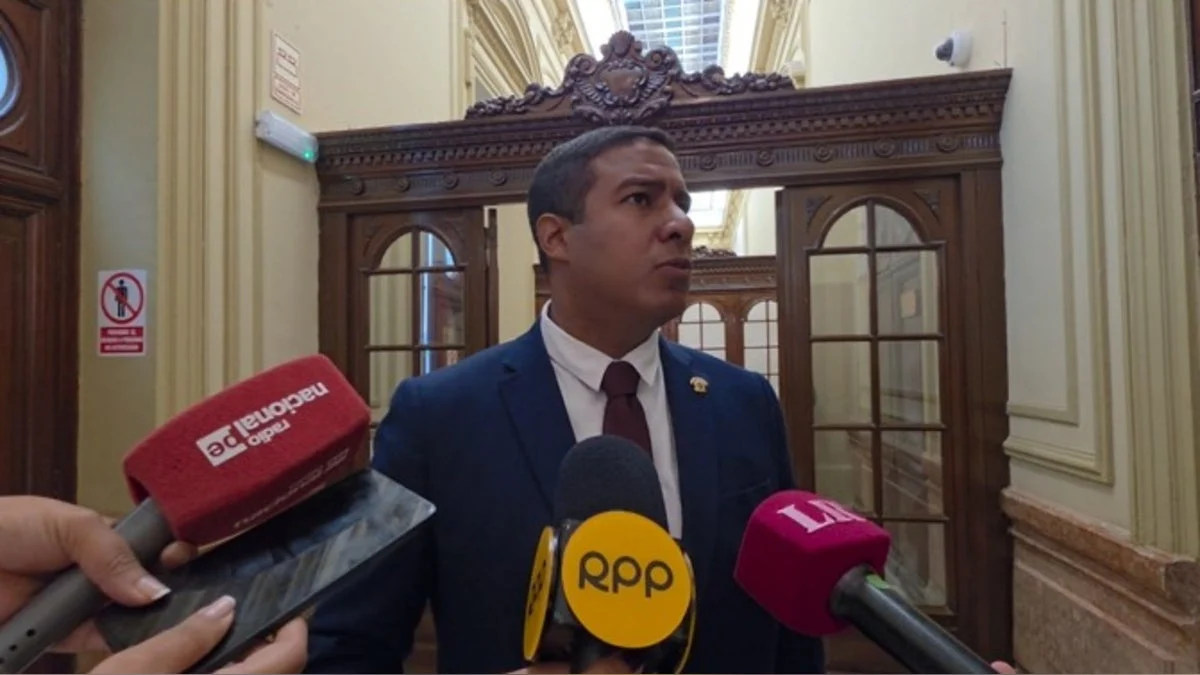
The Peruvian political landscape is currently dominated by a high-stakes standoff between the Legislative and Executive branches. At the heart of the controversy is a formal request from the Executive for special legislative powers—a request that has faced stiff resistance from a coalition of opposition parties. Leading the charge, the spokesperson for the Juntos por el Perú (JPP) bench, Deputy Ernesto Zunini, has categorically denied that the legislative pushback is a form of political obstructionism. Instead, he characterizes the move as a necessary intervention to refocus the government’s efforts on the pressing crises of public safety and the impending threat posed by the El Niño phenomenon.
As the government seeks to streamline its policy implementation through granted legislative powers, a bloc consisting of Ahora Nación, Juntos por el Perú, and the Partido Cívico Obras has sent an official communication to the President of the Council of Ministers, Luis Galarreta, urging the Executive to scrap their current proposal and submit a revised version that better aligns with the immediate needs of the citizenry.
Chronology of the Legislative Standoff
The current crisis did not emerge in a vacuum. It is the culmination of weeks of mounting friction between the Palacio de Gobierno and the halls of the Congress.
- Initial Request: The Executive branch formally submitted its request for legislative powers, aiming to enact reforms across several sectors, including the economy and internal security.
- The Technical Audit: Congressional committees immediately began an exhaustive review of the document. Early reports suggested discrepancies between the legal scope of the powers requested and the constitutional requirements.
- The Weekend Ultimatum: This past weekend, the tripartite coalition led by Ernesto Zunini dispatched an official letter to Prime Minister Luis Galarreta, stating that the original proposal was technically flawed and legally insufficient.
- The Dialogue Phase: In an attempt to de-escalate, the Prime Minister and a delegation of seven cabinet ministers convened with congressional leaders in the Sala Bolognesi to initiate a series of high-level negotiations.
- Current State: As of today, the dialogue remains in a fragile state, with the opposition demanding a complete overhaul of the Executive’s proposal before they will consider supporting it.
Supporting Data and Legal Justification
The crux of Deputy Zunini’s argument lies in an extensive technical report compiled by the congressional legal team. According to Zunini, the Executive’s initial proposal lacks the rigor required to address the complexity of the problems at hand.
The Problem with Interest Rates
One of the most glaring examples cited by the JPP spokesperson involves the proposed changes to national interest rate regulations. The technical report indicates that the Executive’s approach to financial regulation could inadvertently stifle economic recovery rather than stimulate it. Zunini emphasized this during a recent press conference: "I invite the government to read the report. It contains a series of arguments that systematically dismantle the logic presented by the Executive. The issue of interest rates is just the tip of the iceberg; the proposal as it stands is disconnected from the reality of the average Peruvian citizen."
Emergency Preparedness
Beyond economic policy, the coalition is pressuring the administration to prioritize "state-level urgencies." With the El Niño phenomenon expected to bring extreme weather patterns, the opposition argues that the current request for powers is too broad and vague. They are demanding a surgical, focused legislative agenda that ensures the Ministry of Defense, the Ministry of Agriculture, and the Ministry of Housing have the specific tools needed for disaster prevention and infrastructure reinforcement.
Official Responses and Cabinet Engagement
In response to the growing political pressure, the Executive branch has attempted to present a united front. Prime Minister Luis Galarreta’s decision to bring seven cabinet ministers to the Congress signals the gravity of the situation.
The ministerial delegation included:
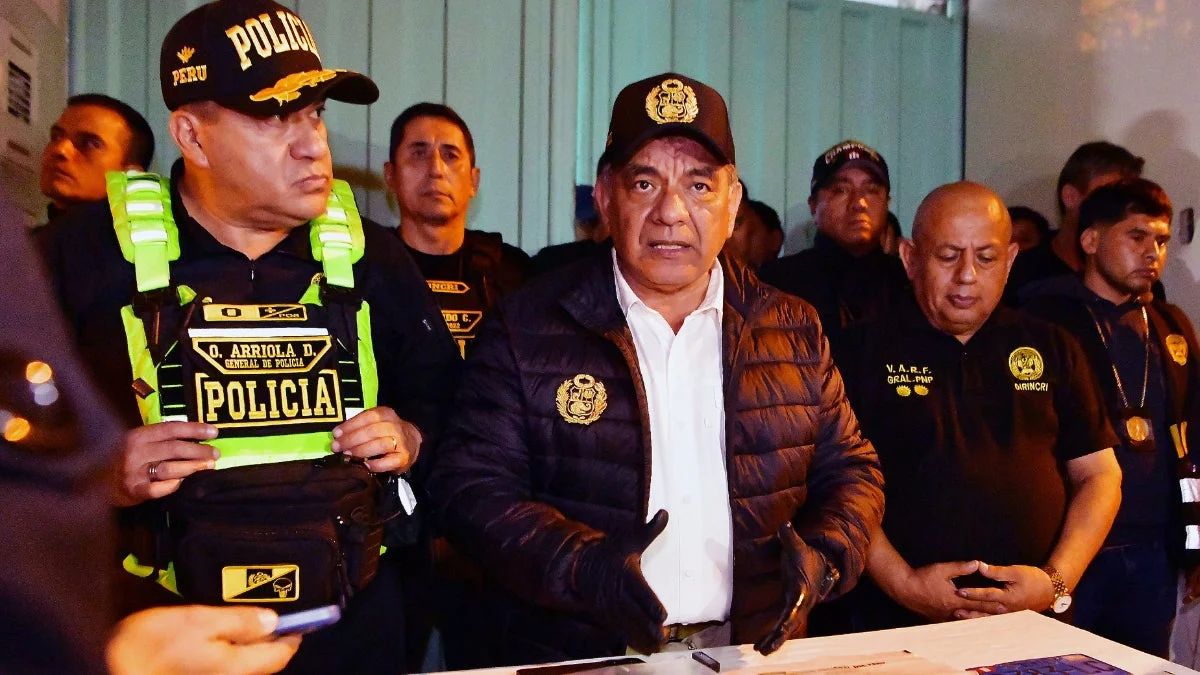
- César Azudillo (Interior): Tasked with addressing the growing concerns regarding public security and organized crime.
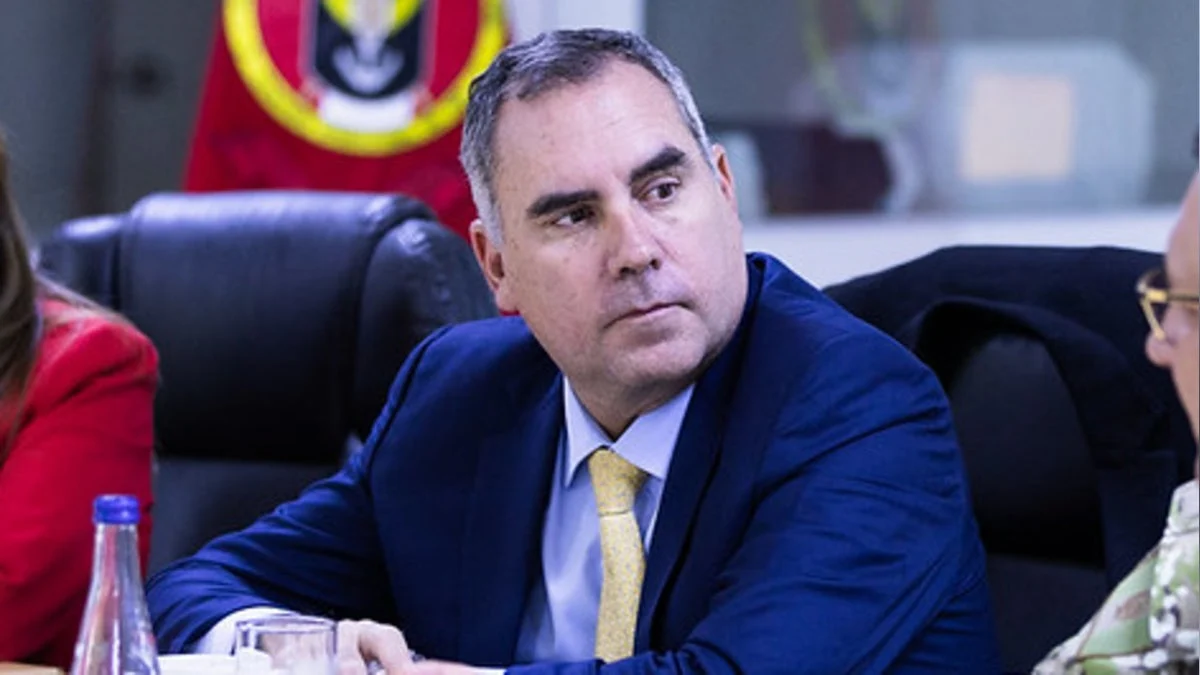
- Rafael Belaunda (Defense): Focused on military support for logistical operations related to potential climate emergencies.
- Economic and Sectoral Leaders: Ministers representing Agriculture, Justice, Production, and Housing, alongside the Vice Minister of Economy and Finance, were present to provide real-time justifications for the requested powers.
Despite this show of force, the opposition remains unmoved. The Partido Cívico Obras, which had initially hesitated to join the coalition, officially agreed to participate in the negotiations this week, strengthening the opposition’s bargaining position. The atmosphere in the Sala Bolognesi has been described by insiders as "tense but professional," with both sides acknowledging that failure to reach a compromise could lead to a legislative paralysis that would ultimately harm the nation.
Implications for the Future of Governance
The standoff between the legislative coalition and the Executive carries significant implications for the remainder of the presidential term.
1. The Risk of Administrative Paralysis
If the Executive refuses to amend the proposal and the Congress refuses to approve it, the administration may be forced to rely on standard, slower legislative channels. This would significantly delay the implementation of critical safety protocols ahead of the El Niño season, potentially putting thousands of lives at risk if infrastructure is not secured in time.
2. Shifting Power Dynamics
This event marks a shift in the influence of the Juntos por el Perú and their allies. By successfully forcing the Executive to the negotiating table, these parties have demonstrated that they hold the keys to the legislative agenda. It suggests that the current government may no longer enjoy the broad, unchallenged support it once possessed, necessitating a more collaborative approach to governance.
3. Public Perception and Economic Stability
For the average citizen, the bickering in the capital is a source of frustration. Investors and financial analysts are closely watching the dialogue; if the disagreement over interest rates and economic powers drags on, it could lead to market volatility. The government must balance the need for executive speed with the constitutional necessity of parliamentary oversight.
4. The Constitutional Precedent
This situation also serves as a test of the constitutional checks and balances of the Peruvian state. The debate over what constitutes a "formal and legal requirement" for legislative powers is setting a precedent that will likely influence how future administrations approach the Congress. It reinforces the principle that the Executive cannot use the pretext of "urgency" to bypass legislative scrutiny, especially when the legislation touches upon the fundamental rights and economic security of the population.
Conclusion: The Path Forward
As the discussions continue in the halls of the Congress, the nation watches with bated breath. The demand for a new project is not merely a procedural roadblock; it is a fundamental challenge to the current administration’s vision for the country.
For Deputy Ernesto Zunini and his coalition, the goal is clear: they seek a government that is more responsive, less prone to overreach, and laser-focused on the immediate threats of security and climate change. Whether the Executive will concede and draft a new proposal, or whether the legislative process will remain deadlocked, remains to be seen. What is certain is that the outcome of these negotiations will define the political trajectory of Peru for the coming months, serving as a litmus test for the resilience of the country’s democratic institutions.
The government’s willingness to engage in the Sala Bolognesi suggests a potential for compromise, but until a revised proposal is formally submitted and reviewed, the threat of an impasse remains a reality that could have profound consequences for the stability of the nation.