The global copper market is demonstrating remarkable resilience, positioning itself for yet another bullish weekly close. Despite a hawkish pivot from the U.S. Federal Reserve—which implemented its first interest rate hike since 2023 and signaled that further tightening remains on the table—the "red metal" continues to defy gravity. While traditional economic theory suggests that rising interest rates should dampen commodity demand by increasing the cost of capital and cooling industrial expansion, copper’s current trajectory reveals a more complex narrative driven by supply-side constraints and a critical rebound in Chinese consumption.
As of the latest trading session on the London Metal Exchange (LME), copper futures remained steady, hovering near the psychological threshold of US$14,500 per tonne. Should this price level hold through the market close, it will mark an extraordinary eleventh week of gains out of the last twelve, a streak that propelled the metal to a fresh all-time high of US$14,533 on September 7, comfortably surpassing the previous record set earlier in January.
A Chronology of the 2026 Surge
To understand the current state of the copper market, one must look back at the volatile events that have defined the year to date.
- January 2026: Copper prices reached a high point as initial post-holiday industrial activity in Asia fueled optimism, setting a record that many analysts believed would hold for the year.
- Late Q1 – Q2 2026: Market sentiment began to shift as uncertainty surrounding U.S. trade policy regarding refined copper imports emerged. The prospect of the Trump administration expanding tariffs created a "scramble for supply," distorting typical inventory flows.
- August 2026: A critical turning point occurred when the Democratic Republic of the Congo (DRC) implemented a sudden ban on copper concentrate exports. This move sent shockwaves through global supply chains, forcing Chinese smelters to scale back operations due to a lack of raw material feedstock.
- September 7, 2026: Copper hit its historical peak of US$14,533 per tonne, driven by a combination of tight LME inventories and aggressive hedging by manufacturers fearing future scarcity.
- Mid-September 2026: The Federal Reserve’s decision to hike interest rates caused a brief period of volatility, with the metal dipping as investors reacted to the hawkish tone. However, the market quickly digested the news, proving that physical demand currently outweighs monetary policy pressures.
Supporting Data: The Chinese Demand Indicator
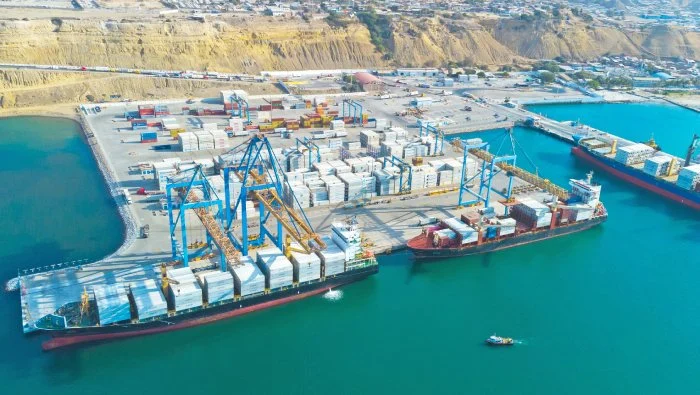
The most compelling evidence of robust copper demand originates from the Yangshan copper premium—a crucial barometer for physical demand in China. The premium, named after the Shanghai port through which a vast majority of the country’s imported copper flows, climbed to US$124 per tonne this week. This represents its highest level since November 2022, signaling that Chinese buyers are willing to pay a significant premium to secure immediate physical supplies, regardless of high global prices.
This demand surge is occurring even as domestic Chinese production data paints a contradictory picture. Industrial output in China saw a slight contraction in August compared to July. However, this is largely attributed to the aforementioned supply bottlenecks. The restriction on exports from the DRC has forced smelters to lower their capacity utilization rates. Consequently, we are witnessing a paradox: demand for copper remains strong, but the finished product is becoming increasingly scarce, creating a perfect storm for price appreciation.
Geopolitical Implications and Trade Policy
The market’s volatility is deeply intertwined with the shifting geopolitical landscape, specifically the trade stance of the U.S. administration. The speculation that the Trump administration will expand tariffs on refined copper has acted as a primary driver for market anxiety throughout the year.
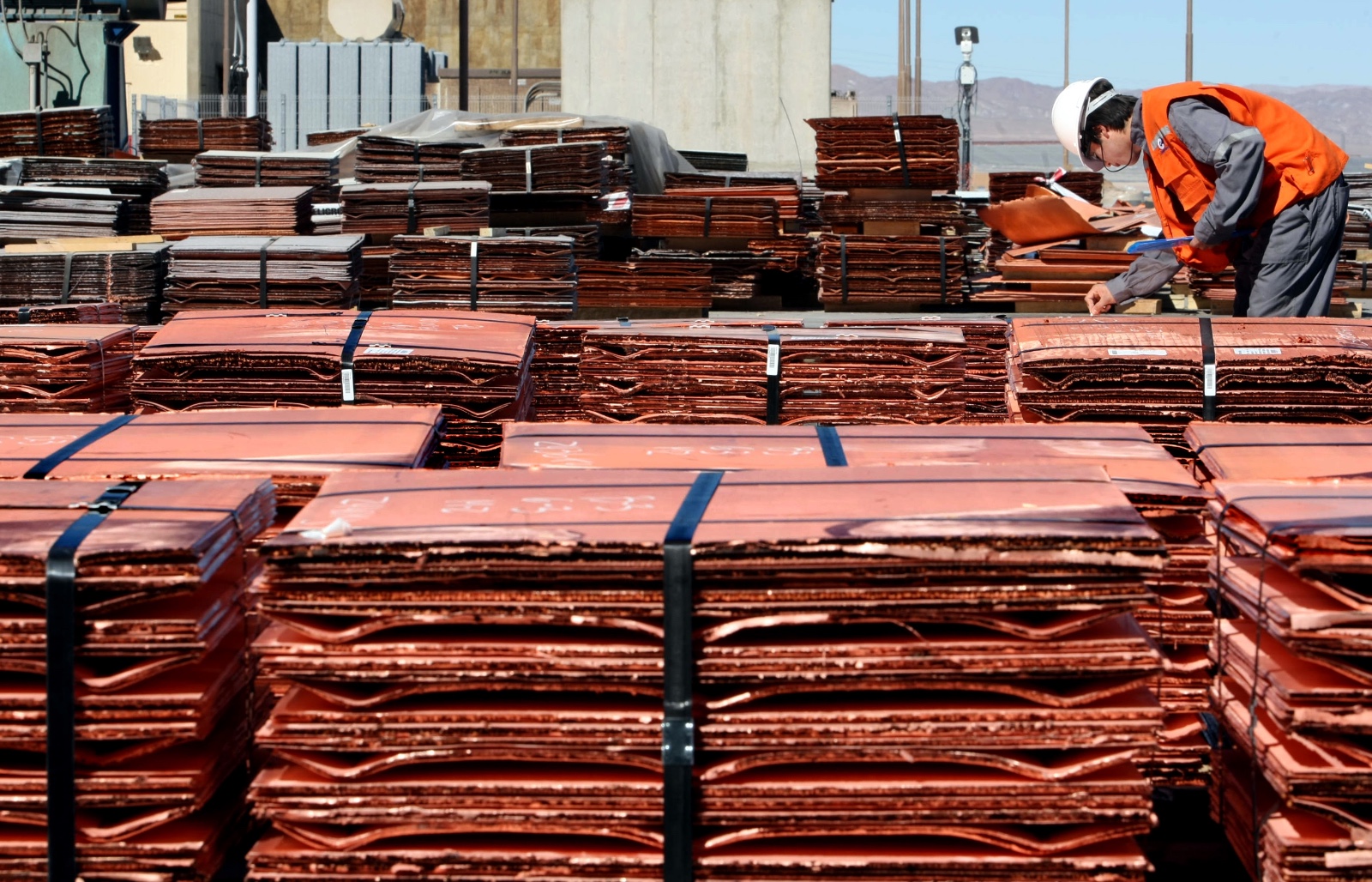
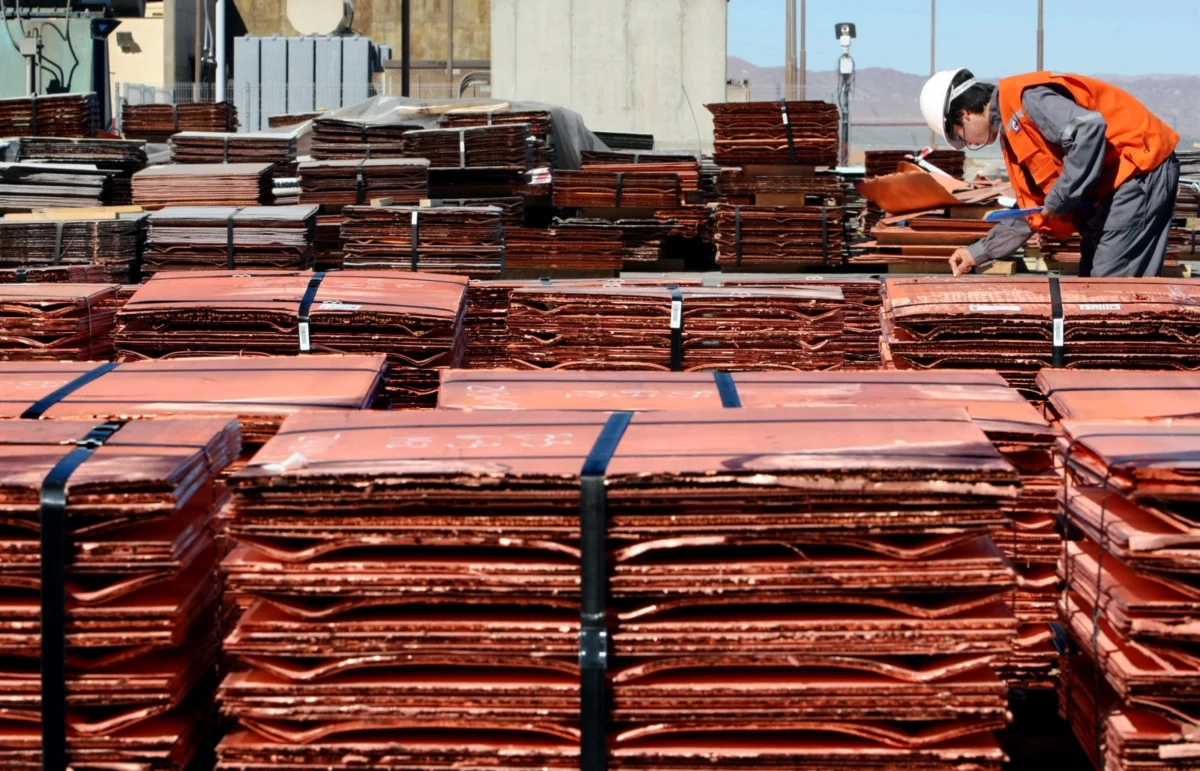
This anticipation led to a massive redirection of trade routes, with producers rushing to send shipments to the United States before potential barriers could be erected. The result was a significant depletion of LME inventories, which have now hit five-month lows. In contrast, stocks at the COMEX (Commodity Exchange) have seen a dramatic rise, reflecting the influx of metal arriving ahead of any potential policy shift.
However, the lack of a definitive announcement from Washington has created a "wait-and-see" environment. Reports earlier this week suggested that the administration had postponed its decision on these tariffs. While this news caused a temporary dip in prices as speculators unwound positions, the subsequent recovery demonstrates that the fundamental shortage of the metal is a more powerful force than the threat of protectionist policy.
Expert Analysis and Market Projections
Financial institutions and commodity analysts are currently divided on the short-term trajectory of the metal, though the long-term outlook remains overwhelmingly bullish.
The "Range-Bound" Hypothesis
Analysts at BMI, a division of Fitch Solutions, suggest that we may be entering a period of consolidation. They argue that the base metals market will likely move within a defined range over the coming weeks. The logic is that the "fragile" macroeconomic environment—characterized by stubborn inflation and the Fed’s new interest rate regime—will serve as a headwind that perfectly counterbalances the current supply-side risks. In their view, the market is currently in a tug-of-war between physical scarcity and monetary tightening.
The Bullish Case for US$15,000
Conversely, banking giant Citi remains highly optimistic. Their latest research note suggests that the structural deficit in the copper market is far from being resolved. Citi’s analysts project that the metal has the momentum to challenge the US$15,000 per tonne level by the end of the year. Their argument rests on the assumption that even if global growth slows, the green energy transition—which requires massive amounts of copper for grid infrastructure and electric vehicles—will provide a "floor" for prices that is significantly higher than historical norms.
The Broader Economic Context
The Federal Reserve’s recent policy shift is perhaps the most significant variable for the global economy. By choosing to raise rates for the first time since 2023, the Fed has signaled that it is prioritizing the fight against inflation over the immediate needs of growth-sensitive assets.
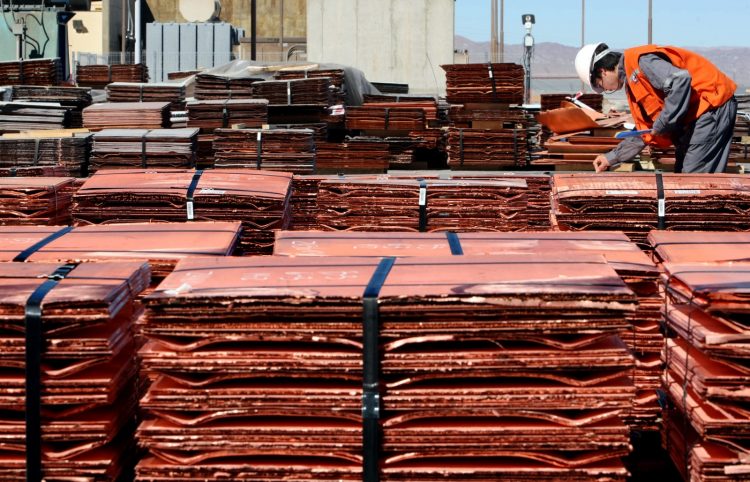
Typically, such a move would be catastrophic for industrial metals. However, the copper market’s muted reaction suggests that investors view this as a supply-constrained commodity rather than a purely speculative asset. In an era where the Democratic Republic of the Congo can restrict supply with a single policy change, and where trade policies can shift global logistics overnight, the traditional correlations between interest rates and copper prices are being rewritten.
Conclusion: A Market at a Crossroads
As we head into the final quarter of 2026, the copper market stands as a testament to the complexities of the post-pandemic global economy. It is a market fueled by the dual pressures of an urgent energy transition and the harsh realities of geopolitical protectionism.
For the average consumer and the industrial player alike, the implications are clear: the era of cheap, readily available copper appears to be in the rearview mirror. Whether the metal holds at its current levels or pushes toward the US$15,000 target, the volatility observed this week confirms that copper remains the heartbeat of the global industrial engine. Investors and policymakers will be watching the Yangshan premiums and LME inventory levels closely, as these figures continue to tell the real story behind the price action on the screen.
As the year closes, one thing remains certain: in the battle between the Federal Reserve’s monetary tightening and the physical reality of a supply-constrained world, the physical market is currently winning.