In a move set to redefine how Peru manages the economic aftermath of climate change and geological volatility, the Superintendencia de Banca, Seguros y AFP (SBS) has officially approved the regulatory framework for parametric insurance. This innovative financial tool marks a departure from traditional indemnity-based coverage, offering a faster, more transparent, and automated mechanism to mitigate the financial shock caused by natural disasters.
By eliminating the need for lengthy post-disaster loss assessments, this regulation paves the way for a more resilient national economy, enabling public entities and corporations to recover capital with unprecedented speed.
Main Facts: The End of "Loss Adjustment"
At its core, parametric insurance operates on a binary premise: if a predefined event occurs and crosses a specific threshold (the "trigger"), the insurance company pays the agreed-upon sum automatically.
Unlike traditional insurance, where the policyholder must file a claim, endure an inspection by adjusters, and negotiate the value of damages, parametric policies remove human subjectivity from the equation. The payout is tied directly to objective data—such as wind speed, earthquake magnitude, or precipitation levels—provided by independent, verified sources.
Key Features of the New Framework:
- Automated Triggers: Policies are defined by objective, verifiable data sources.
- No Damage Assessment: The payout is triggered by the intensity of the event, not the physical damage caused, significantly reducing administrative overhead.
- Rapid Liquidity: Once the threshold is met, the payout process is streamlined to occur within a matter of days.
- Scope: Coverage is limited to natural phenomena, including geological, meteorological, and oceanographic events.
The Chronology of Implementation
The approval of this regulation is the culmination of years of discussions between the Peruvian financial regulator and international experts in risk management.
- Pre-2024: The concept of parametric insurance was largely limited to niche international markets or high-level sovereign risk pools (such as the Pacific Alliance Catastrophe Bond).
- Early 2026: The SBS initiated the public consultation process for the draft regulation, seeking input from insurance companies, NGOs, and technical experts to ensure the parameters would be resilient against data manipulation.
- September 2026: The formal approval of the regulation. This milestone represents the "opening of the market," allowing insurance companies to begin designing and filing these products with the Superintendency.
- Q4 2026 and Beyond: The phase of product development begins, where insurers and reinsurers start building the data infrastructure necessary to monitor real-time environmental indicators.
Supporting Data: Understanding the Payment Structures
The SBS regulation is remarkably flexible, allowing for four distinct payout structures, ensuring that organizations can tailor coverage to their specific risk appetite:
- Fixed Payout: A pre-agreed lump sum is paid the moment the threshold is hit. This is ideal for organizations requiring immediate liquidity for emergency response.
- Proportional Payout: The payout increases in direct correlation with the severity of the event, allowing for a more nuanced financial recovery.
- Incremental Payout: This involves a tiered system where different levels of intensity unlock different financial tranches.
- Layered Payout (The "Layer" Model): A sophisticated approach where multiple triggers are established for different tiers of intensity, effectively creating a "coverage ladder" that grows as the disaster intensifies.
For example, a municipality could purchase a policy for heavy rainfall. If rainfall exceeds 50mm, a base amount is paid. If it exceeds 100mm, the payout doubles. If it reaches 200mm, a third tier of funding is released to cover long-term reconstruction.
Who is Eligible to Participate?
A critical aspect of the new regulation is that it is not intended for the individual retail market. The SBS has clarified that these policies are designed for legal entities—public institutions, private corporations, and collective organizations.
The Institutional Focus
The reasoning behind this restriction is the complexity of the data and the scale of the financial impact. Parametric insurance is meant to stabilize the balance sheets of entities that manage infrastructure, provide public services, or support large groups of people.
However, this does not mean the average citizen is excluded. Individuals can be the beneficiaries of these policies. For instance, an NGO or a regional government could hold a policy on behalf of a specific community. If an earthquake occurs, the institution receives the payout, which is then legally obligated to be used for the benefit of the community members defined in the policy’s group certificate.
Implications for the Peruvian Market
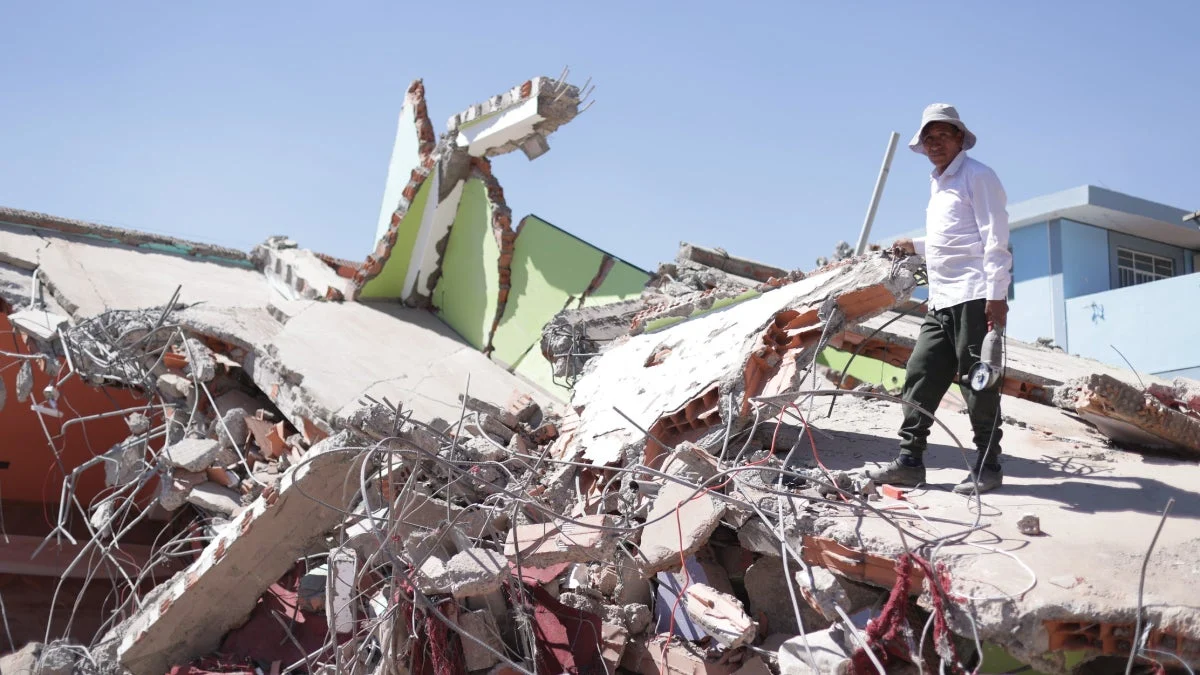
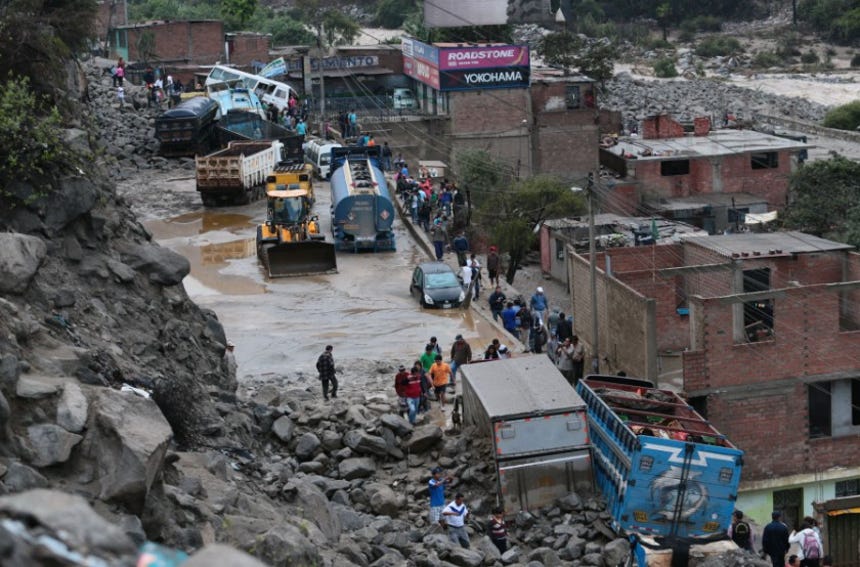
The introduction of this regulation has profound implications for the Peruvian economy, which is consistently vulnerable to El Niño, seismic activity, and flooding.
1. Reducing the "Protection Gap"
The "protection gap"—the difference between total economic losses and the portion covered by insurance—is a major hurdle for developing nations. By making insurance faster and cheaper to administer, parametric coverage is expected to incentivize more organizations to secure protection, thereby reducing the reliance on emergency state funding during disasters.
2. The Role of Technology and Data
The success of these policies depends on the quality of data. The regulation mandates that the "calculation agent" must be an independent entity. This forces the insurance industry to invest in satellite imagery, automated weather stations, and seismic monitoring networks. It creates a new ecosystem where insurance companies, tech firms, and scientific research centers must collaborate closely.
3. Financial Stability
For a private company, a natural disaster can mean bankruptcy due to operational stoppage. With a parametric payout, the company receives funds within days, regardless of whether their specific building was damaged. This provides the necessary cash flow to keep employees on the payroll and maintain critical operations while the physical site is repaired.
Official Responses and Expert Outlook
Industry analysts have lauded the SBS for its proactive stance. While some initial skepticism existed regarding the reliance on "data sources" rather than physical damage, the consensus is that the speed of payout outweighs the risk of basis risk (the risk that the trigger occurs but the actual damage is less than expected).
"The regulatory framework provides a clear path forward," says an industry expert from the Peruvian Association of Insurance Companies (APESEG). "By moving from ‘damage verification’ to ‘event verification,’ we are effectively digitizing disaster response. This is a game-changer for infrastructure resilience in Peru."
The SBS, for its part, has emphasized that while these products are innovative, they must be transparent. The "trigger" must be clearly defined in every contract, and the source of the data must be unassailable. The regulator will continue to supervise the "calculation agents" to ensure that the data used is accurate and unbiased.
Challenges Ahead: The "Basis Risk" Reality
While the benefits are significant, the market must be wary of "basis risk." This occurs when a disaster causes severe damage, but the event does not quite reach the "trigger" threshold defined in the contract (e.g., an earthquake of magnitude 6.9 when the trigger is 7.0).
To mitigate this, the SBS has placed the burden of transparency on the insurers. They are required to clearly communicate the limitations of the policy to the client. This will necessitate a high level of technical sophistication among brokers and corporate risk managers, who must now understand the geography and statistics of the risks they are insuring, rather than just the assets themselves.
Conclusion: A More Resilient Future
The approval of the parametric insurance regulation is a hallmark of a maturing financial market. By embracing technology to solve the age-old problem of insurance payout delays, Peru is positioning itself as a leader in climate risk management in Latin America.
As the country faces an increasingly unpredictable climate, the ability to trigger instant financial support based on objective data will become a pillar of economic stability. For businesses, regional governments, and collective entities, the era of waiting months for an adjuster’s report is coming to an end. In its place, a new, rapid, and automated system is rising—one that promises to keep the wheels of the economy turning, even in the face of nature’s greatest challenges.