By Political Correspondent
The Peruvian political landscape is currently dominated by a mounting tension between the executive branch and the legislative body. At the heart of this friction is Minister of the Interior, César Astudillo, who finds himself the subject of an impending interpellation motion announced by the political bloc Juntos por el Perú. As public anxiety over surging crime rates reaches a fever pitch, the government is scrambling to defend its security policies while simultaneously navigating the delicate balance of democratic oversight.
The Core Conflict: Insecurity and Legislative Oversight
The impetus for the proposed interpellation lies in the growing frustration regarding the nation’s security climate. For months, citizens and lawmakers alike have expressed alarm over the rise of organized crime, extortion, and targeted killings—phenomena that have profoundly impacted both urban centers and regional provinces.
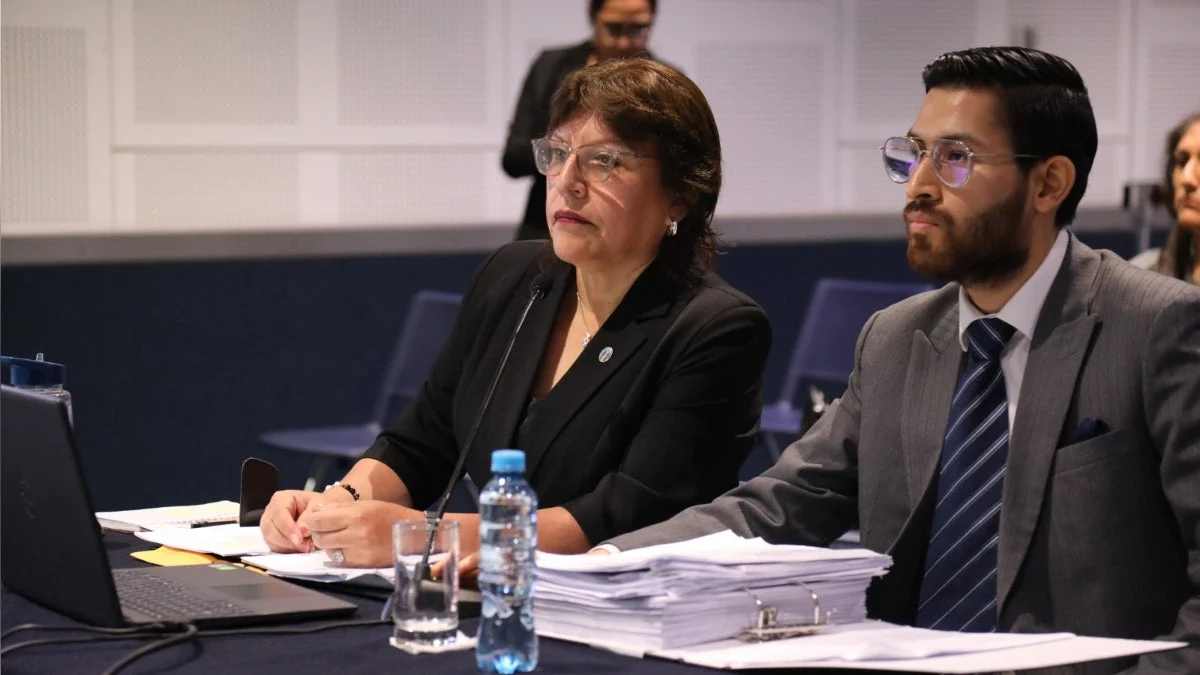
Analí Márquez, a prominent deputy representing Juntos por el Perú and currently serving as the First Vice President of the Chamber of Deputies, has spearheaded the initiative. Márquez argues that the current Ministry of the Interior has failed to provide a comprehensive or effective response to the escalating violence, necessitating a formal appearance by Minister Astudillo before the Chamber to account for the government’s operational shortcomings.
The Minister’s Stance on Democratic Accountability
Despite the adversarial nature of the move, Minister Astudillo has adopted a remarkably composed and conciliatory tone. During a recent press engagement, he characterized the interpellation not as an existential threat to his tenure, but as a standard exercise of parliamentary prerogative.
"This is a power held by the Congress, and it is a positive element of our democracy," Astudillo remarked. "The interpellation serves as a vital mechanism, not only for questioning but for transparency. It provides an official forum for me to showcase the granular, often unseen work that the National Police of Peru (PNP) is conducting on the ground. That is how a democracy functions."
A Chronology of the Escalation
To understand how the situation reached this critical juncture, one must examine the timeline of events leading up to the announcement:
- Early August: Public reports of extortion against transport workers in metropolitan areas trigger a wave of protests and calls for government intervention.
- Mid-August: Juntos por el Perú holds an internal strategy meeting to address the perceived "lack of direction" in the Ministry of the Interior.
- August 21: Deputy Analí Márquez formally announces that a motion of interpellation will be presented against Minister Astudillo immediately following the upcoming "week of representation."
- August 23: The Ministry of the Interior holds a high-level security summit to address the specific threats of sicariato (contract killing).
- August 24: Minister Astudillo publicly responds to the interpellation announcement, emphasizing the necessity of police intelligence.
- August 25 (Projected): The date originally slated for a national strike, which was averted following negotiations between the Executive and transport unions.
Supporting Data: The Landscape of Public Safety
The debate over the Minister’s performance is underpinned by complex statistics. While the Ministry of the Interior points to increased arrest rates and the dismantling of specific criminal gangs, the perception of insecurity remains high.
The Role of Police Intelligence
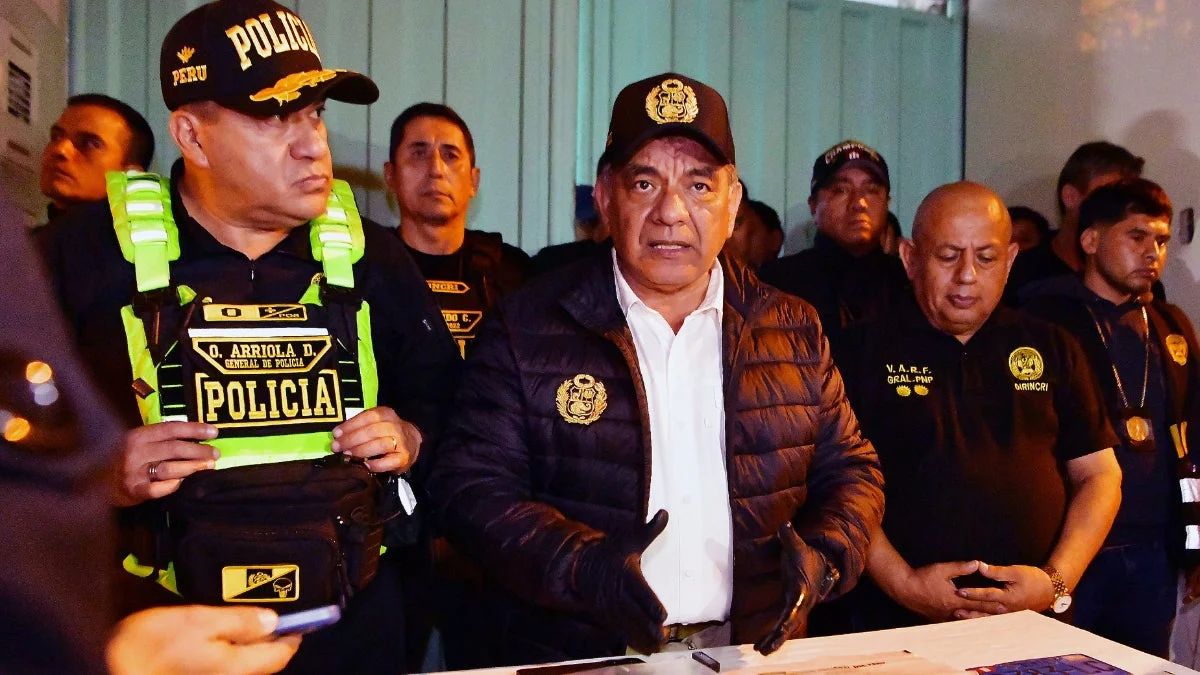
Central to Astudillo’s defense is the operational continuity of the PNP. A major point of contention has been the tenure of Óscar Arriola, the Commander General of the PNP. Despite political pressure from some factions to replace him, Astudillo has remained steadfast in his support. He emphasizes that under Arriola’s leadership, the police have pivoted toward a more intelligence-led model.
"We are not merely responding to crimes as they occur; we are working to preempt them," an Interior Ministry spokesperson noted. Intelligence units have reportedly increased surveillance on networks involved in extortion and drug trafficking, leading to dozens of high-profile arrests in the last quarter alone.
Economic and Social Pressures
The threat of a nationwide transport strike, initially scheduled for August 25, served as a catalyst for the current political volatility. The government’s ability to negotiate a suspension of this strike is being touted by the Ministry as a major success, demonstrating that the Executive maintains open channels of communication with civil society. However, critics argue that the suspension is merely a temporary reprieve, and that the underlying issues—the "war tax" paid by transport workers to criminals—remain largely unresolved.
Official Responses and Political Maneuvering
The political response to the interpellation motion has been mixed. While Juntos por el Perú is pushing for a rigorous interrogation, other blocs in the Chamber of Deputies are adopting a "wait and see" approach.
The Executive Perspective
Government officials close to Minister Astudillo suggest that the interpellation will serve as a platform to clarify misconceptions regarding the Ministry’s budget and resource allocation. There is a sense within the Ministry that the legislative branch lacks a full understanding of the logistical constraints faced by the PNP, particularly in high-risk zones.
The Legislative Perspective
Deputy Analí Márquez maintains that the interpellation is a moral imperative. In her public statements, she has highlighted that the government’s rhetoric regarding "intelligence work" has not translated into a tangible decrease in the victimization of ordinary citizens. "The people are tired of promises," Márquez stated. "We need to see a change in strategy, and the Minister must be the one to explain why the current path has failed."
Implications for the Future of Public Policy
The outcome of the upcoming interpellation will have significant implications for the stability of the current administration.
1. Shift in Security Strategy
Should the interpellation proceed, Minister Astudillo will likely be forced to present a revised roadmap for public security. This could involve an increased focus on the militarization of certain zones, or conversely, a renewed push for community-based policing initiatives that have been sidelined during the current crisis.
2. The Resilience of the PNP
The institutional integrity of the PNP is also at stake. By defending Commander General Óscar Arriola, Minister Astudillo is signaling that he values continuity over political expediency. If the interpellation leads to a loss of confidence in the PNP’s leadership, the Ministry could face a period of instability, further weakening its ability to combat crime.
3. Democratic Equilibrium
Finally, the process serves as a litmus test for the health of Peru’s democratic institutions. A productive, evidence-based debate during the interpellation could help bridge the gap between the Executive and Legislative branches. However, if the process devolves into partisan grandstanding, it risks deepening the public’s cynicism toward their elected officials.
Conclusion: The Path Ahead
As the week of representation concludes, all eyes will turn to the Chamber of Deputies. The formal filing of the motion will set in motion a constitutional process that will test Minister César Astudillo’s political mettle and the resilience of the government’s security platform.
For now, the Minister remains focused on the immediate task at hand: maintaining order and ensuring that the recent dialogues with transport leaders lead to lasting stability. As he noted, the democratic process is messy, and at times, uncomfortable. Yet, it remains the only viable path forward for a nation striving to balance the urgent need for security with the enduring requirements of the rule of law.
The coming weeks will reveal whether this parliamentary challenge will lead to a refined security strategy or further political deadlock. One thing remains clear: the citizens of Peru, weary of the ongoing violence, are watching closely. They are no longer interested in the politics of the process; they are looking for the results of a safer, more stable reality.