Executive Summary: A City Under Siege
The industrial hub of Trujillo, located in the La Libertad region of Peru, has become the epicenter of a national security crisis following the violent abduction of mining entrepreneur Jens Lara Tantaquilla. The operation to secure his release, which culminated in the arrest of five suspects, has sparked intense public debate regarding the efficacy of government intervention, the tactics employed by the Peruvian National Police (PNP), and the broader, escalating influence of organized crime syndicates within the country.
As the dust settles on a mission that saw four lives brutally extinguished, the government is facing mounting pressure to clarify whether the release was the result of a tactical raid or a negotiated settlement—a question the Ministry of Defense has strategically deflected to protect ongoing intelligence operations.
Chronology of the Crisis
The ordeal began in the early hours of Sunday, August 30, a date that will likely be remembered as a turning point in the local struggle against criminal cartels.
The Abduction (August 30, 03:00)
Jens Lara Tantaquilla, a prominent figure in the mineral trading sector, was departing a local nightclub in his white pickup truck. His exit was intercepted on the Avenida Húsares de Junín by a group of heavily armed assailants. The kidnappers, operating with a level of sophistication that suggests advanced surveillance, were disguised in uniforms mirroring those of the Peruvian National Police, allowing them to exert authority over their victims before initiating the assault.
The Massacre
The abduction was not a bloodless affair. During the interception, the criminal group executed four individuals who were in the vicinity or accompanying the entrepreneur: Farhad Andrea Monzón Lingán, Nadia Edith Urtecho Rodríguez, Luis Alberto Rojas Ramos, and Christopher Eduardo García Álvarez. The brutality of the murders sent shockwaves through the community, signaling a shift toward more violent and brazen tactics by regional criminal networks.
The Intelligence-Led Rescue
Following the abduction, a massive, multi-agency effort was launched. While the Ministry of Defense and the Interior Ministry remained tight-lipped regarding the specific mechanics of the rescue, it was revealed that the operation relied heavily on advanced digital forensics. By triangulating cellular signals and monitoring communications originating from criminal cells operating abroad, authorities successfully identified the hideout. This technological "domino effect" allowed police to apprehend five key suspects involved in the immediate detention of Lara Tantaquilla.
Official Responses: A Wall of Silence
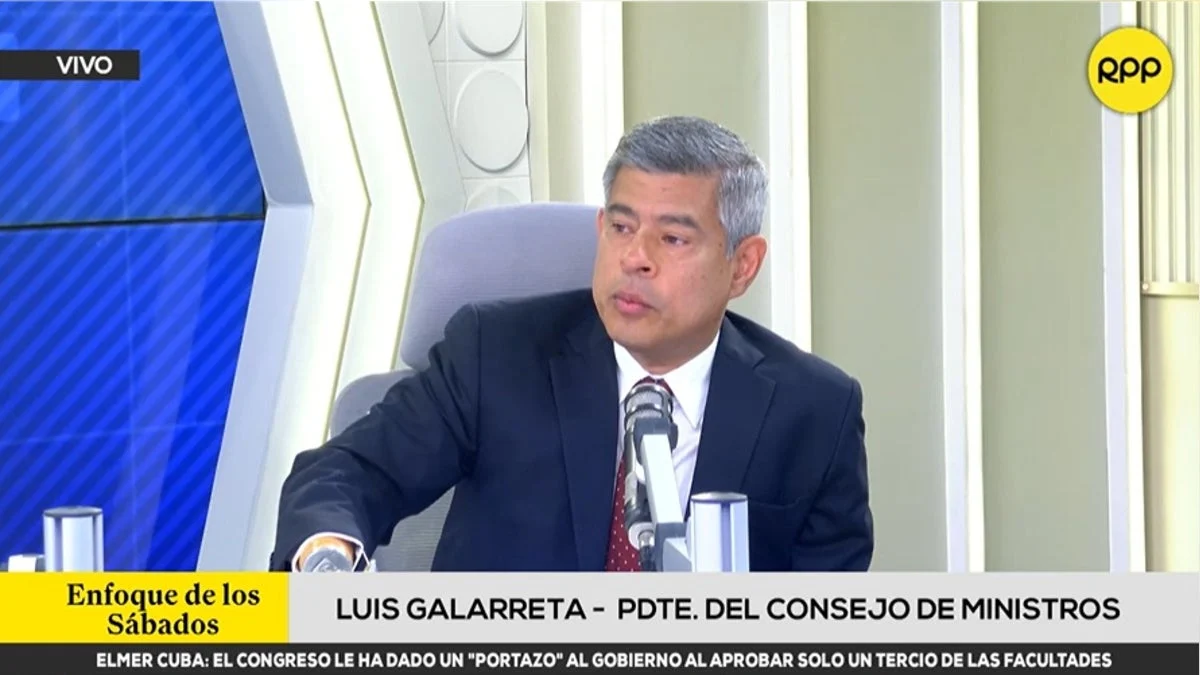
In an exclusive interview with RPP, Minister of Defense Rafael Belaunde addressed the public’s concerns regarding the mission. Notably, the Minister of the Interior, César Astudillo, was absent from the front lines of the operation, a detail that drew significant media scrutiny.
Defending the Chain of Command
Minister Belaunde defended the coordination between the various branches of government, emphasizing that the absence of Minister Astudillo did not imply a lack of resolve. "This was a tightly coordinated effort between Minister Astudillo, the President of the Republic, the Premier, and myself," Belaunde stated. He clarified that Astudillo’s absence was due to other critical responsibilities related to the broader national security strategy, rather than a failure of leadership.
The Question of "Negotiation" vs. "Incursion"
Perhaps the most contentious aspect of the aftermath is the nature of the rescue itself. When pressed on whether the government had paid a ransom or engaged in back-channel negotiations to secure the release of the entrepreneur, Belaunde was categorical in his refusal to answer.
"What we have is a complex and ongoing intelligence operation," the Minister argued. "I cannot provide further details because I cannot compromise an operation that is not yet finalized. Once the mission is fully concluded, we will release the information."
This stance is rooted in the government’s concern that revealing the operational methodology would jeopardize ongoing efforts to capture the "higher-ups" of the criminal organization. By maintaining silence, the government is playing a high-stakes game of cat-and-mouse, hoping to decapitate the entire criminal hierarchy rather than just arresting the street-level enforcers.
The Technological Frontier: Tracking Global Crime
The success of the Trujillo operation provides a rare glimpse into the modernization of the Peruvian National Police. Minister Belaunde highlighted that the capture was not purely a result of physical patrolling, but a triumph of digital intelligence.
The use of sophisticated call-triangulation software—capable of mapping connections between domestic criminals and their handlers or associates in foreign countries—is becoming a cornerstone of Peru’s counter-kidnapping strategy. This technological shift marks a significant departure from traditional investigative methods, allowing the state to move faster than the criminal networks can adapt.
Implications: The Push for Legislative Reform
The Trujillo incident has provided the government with the political capital necessary to advocate for more aggressive legislative powers. Minister Belaunde used the platform provided by the press to reiterate the urgent need for the Congress to grant the Executive branch special legislative faculties.
The "Hostile Group" Designation
The Ministry of Defense is pushing to classify criminal syndicates as "hostile groups." This legal designation would fundamentally change the rules of engagement, allowing the state to treat these organizations more like insurgent groups than common criminals. This would facilitate:
- Military Intervention in Prisons: The government aims to deploy military units to secure and manage high-security wings of prisons, which are often the command centers for kidnappings and extortions.
- Increased Use of Force: Categorization as a "hostile group" would provide law enforcement with greater latitude in the use of force, potentially curbing the boldness of syndicates that currently operate with relative impunity.
A Nation at a Crossroads
The broader implication of the Lara Tantaquilla case is that the Peruvian state is struggling to contain the "corporatization" of crime. As criminal organizations become more technologically savvy and better funded, the traditional law enforcement response—often characterized by bureaucratic delays and outdated equipment—is proving insufficient.
The government’s demand for these legislative faculties is an admission that the current legal framework is failing to keep pace with the evolving nature of urban crime. However, human rights advocates and some legal scholars have expressed caution, warning that expanding the definition of "hostile groups" could lead to the militarization of public security, potentially resulting in unintended collateral damage or the erosion of civil liberties.
Conclusion: The Path Forward
As Jens Lara Tantaquilla recovers and the investigation into his captors continues, the Trujillo incident remains a grim testament to the fragility of public safety. The government’s refusal to disclose the specifics of the rescue—while frustrating to a public desperate for transparency—reflects a shift toward a more guarded, intelligence-centric approach to national security.
The coming weeks will be critical. If the administration succeeds in obtaining the requested legislative faculties, it will mark a significant escalation in the state’s war on organized crime. If, however, the government fails to demonstrate that these new powers will lead to a reduction in violence, the public’s trust—already battered by the events of August 30—may erode further. For now, the people of Trujillo and the rest of Peru remain in a state of watchful anxiety, waiting to see if the "domino effect" of the recent arrests will indeed lead to the dismantling of the networks that threaten their peace.