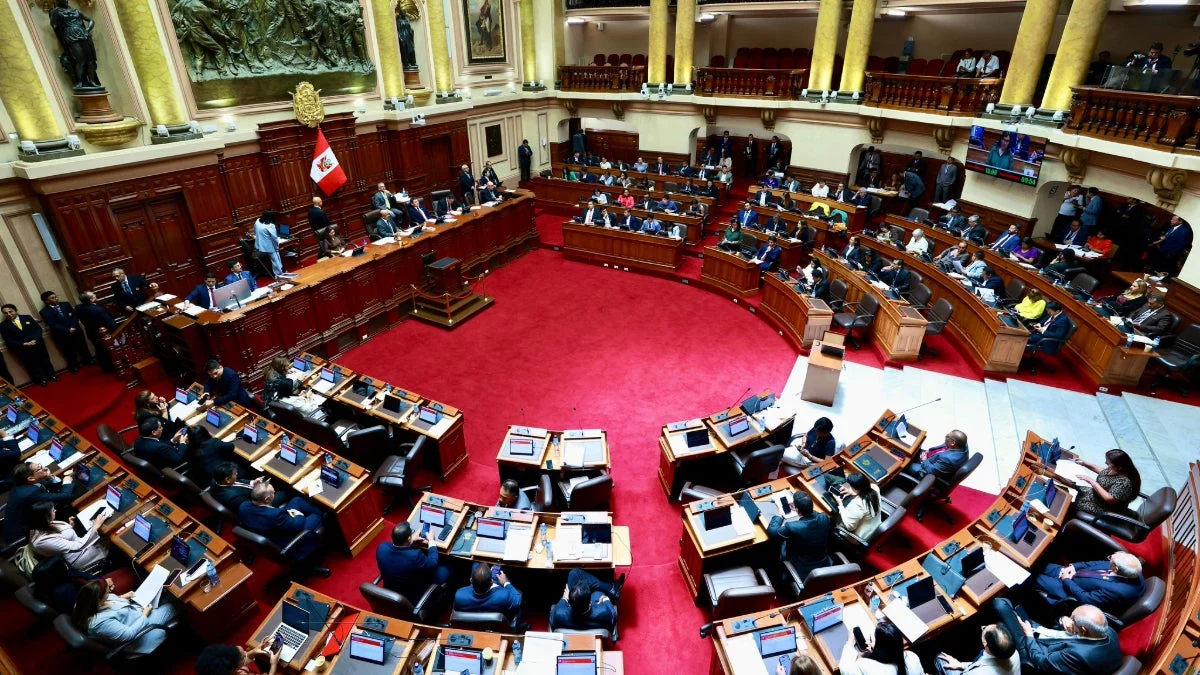
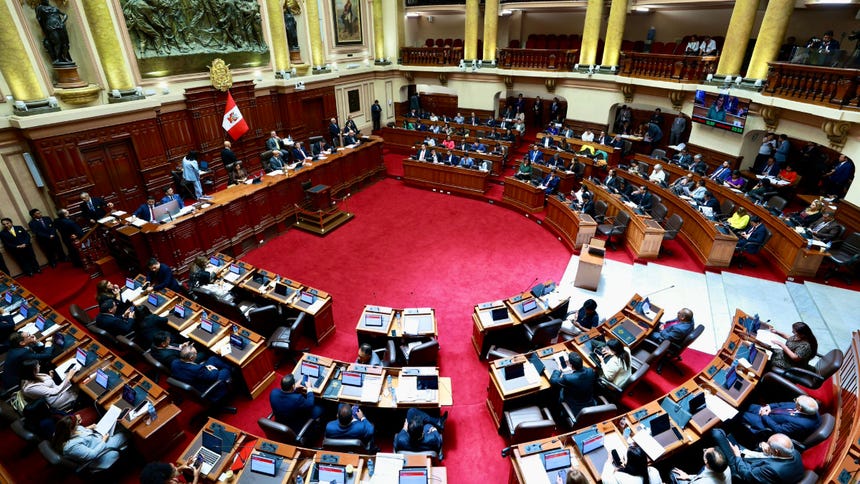
In a dramatic display of political maneuvering and parliamentary stamina, the Chamber of Deputies has finally green-lit a controversial request for delegated legislative powers, handing the Executive branch a mandate to enact urgent reforms. Following a marathon session characterized by initial setbacks and high-stakes brinkmanship, the legislative body voted 66 in favor, 34 against, and 24 abstentions to grant the government the authority to legislate by decree for a period of 90 days.
The scope of this authority, however, is strictly confined to two critical national priorities: the escalation of citizen security and proactive mitigation strategies against the impending ‘El Niño’ weather phenomenon. The decision marks a pivotal moment for the administration, which had spent weeks lobbying for the capacity to bypass traditional legislative hurdles to address what it termed "imminent national emergencies."
The Chronology of a Marathon Session
The road to approval was anything but straightforward. The debate, which commenced early in the morning, transformed into a multi-act political drama that tested the cohesion of the ruling coalition and the resolve of the opposition.
The Initial Defeat
The day began with a crushing blow to the government’s agenda. When the primary dictamen (report) was brought to the floor for a vote, the Chamber of Deputies rejected the motion. This initial defeat cast a long shadow over the proceedings, as the administration’s strategy relied heavily on the consensus-driven text previously vetted by the Constitution Commission. Following the rejection of the main proposal, the floor considered—and subsequently rejected—two minority reports presented by Fuerza Popular and Juntos por el Perú. At this juncture, many political analysts predicted the death of the bill, noting that the legislative gridlock appeared insurmountable.
The Reconsideration Gambit
The tide turned in the late afternoon when Deputy Roxana Rocha Gallegos of Renovación Popular proposed a motion for reconsideration. This procedural move, designed to revive the legislative process, saw an impressive turnout, securing 75 votes in favor, 33 against, and 16 abstentions. This landslide support for the motion signaled a shifting sentiment within the chamber, suggesting that while members were initially wary of granting the Executive broad power, they were eventually swayed by the urgency of the security and climate-related crises.
Final Passage
With the reconsideration motion passed, the Chamber returned to the original multipartisan text. After hours of intense deliberation and clarifying amendments, the final vote saw the bill clear the hurdle of the Chamber of Deputies. It now moves to the Senate of the Republic, where it faces a new round of scrutiny by the upper house.
Supporting Data: What the Delegation Includes
The approved text is not a blank check; it is a surgical legislative instrument containing 20 distinct points of authority. These points are narrowly defined to ensure the Executive does not overstep its temporary mandate.
Citizen Security Reform
The security component of the delegation is the most significant in scope. In response to rising crime rates and organized criminal activity, the government is now authorized to legislate on:
- Enhanced Border and Migration Control: Strengthening the oversight of entry points to identify and mitigate threats posed by transnational criminal groups.
- Technological Countermeasures: Granting the state the ability to mandate the identification and blocking of illicit communications emanating from within the prison system.
- Firearms Oversight: Streamlining the fiscalization and registration of weapons to prevent the leakage of legal arms into the black market.
- Penitentiary Reform: Implementing structural changes to the prison system to alleviate overcrowding and improve rehabilitation protocols.
The El Niño Mitigation Strategy
The second pillar of the mandate focuses on the environmental and humanitarian risks posed by the ‘El Niño’ phenomenon. Recognizing that bureaucracy often hampers disaster response, the legislation allows for:
- Expedited Humanitarian Aid: Authorizing the National Institute of Civil Defense (INDECI) to provide direct aid to affected populations during the first 15 days of an emergency, bypassing traditional procurement delays.
- Agricultural Resilience: Creating legal mechanisms to provide immediate fiscal and technical support to farmers whose livelihoods are threatened by extreme weather patterns, including crop failure and irrigation infrastructure damage.
Official Responses and Political Implications
The passage of this bill has drawn polarized reactions from across the political spectrum. Proponents of the measure argue that the state’s current response mechanisms are antiquated and ill-suited for the rapid pace of modern criminal networks and the unpredictable nature of climate change.
"We are not asking for power for the sake of power," said a government spokesperson following the vote. "We are asking for the tools to act before a tragedy occurs. The 90-day window is a narrow but vital bridge to safety for our citizens."
Conversely, critics remain skeptical. Opposition members have expressed concerns regarding the potential for "mission creep," warning that the Executive might utilize these emergency powers to push through unrelated agenda items. Furthermore, some legal scholars have questioned the constitutionality of certain aspects of the delegated powers, specifically those related to communications privacy and the restriction of certain constitutional rights under the guise of security.
"The Congress must remain vigilant," stated one senior opposition leader. "Granting the Executive the power to legislate is a significant departure from democratic norms. We have approved this as a concession to the public interest, but we expect full transparency and rigorous oversight in every decree that follows."
Implications for the Senate and Future Governance
As the bill heads to the Senate, the political climate remains tense. The Senate is expected to conduct its own round of debates, potentially introducing further safeguards or limitations to the powers granted. The 90-day clock will only begin once the final text is signed into law by the Senate and the Executive.
Impact on Legislative Stability
This event highlights a fundamental shift in the legislative process. By utilizing a "multipartisan" approach, the government managed to build a coalition that survived the day’s volatility. However, the reliance on a reconsideration motion underscores how fragile the current majority is. Future legislative efforts will likely require similar levels of negotiation and compromise.
The Executive-Legislative Dynamic
The relationship between the Palacio de Gobierno and the Congress has been characterized by friction since the start of the term. The passage of this bill serves as a temporary ceasefire. If the Executive uses these 90 days to achieve tangible, visible results—such as a decrease in prison-based extortion or a successful mobilization of resources during a weather crisis—the government may build the political capital necessary to push for further reforms. If, however, the powers are perceived as ineffective or misused, the political backlash could severely undermine the administration’s credibility for the remainder of its term.
The Role of Public Opinion
Public pressure played a significant role in the outcome of this vote. With rising concerns over safety and the fear of natural disasters, the public demanded action from their representatives. The deputies who flipped their votes during the reconsideration process cited the overwhelming demand from their constituents for "solutions, not rhetoric."
Ultimately, the passage of this legislation is a testament to the power of public pressure and the necessity of parliamentary flexibility. As the Senate prepares to take up the matter, the eyes of the nation will remain fixed on the legislative process, waiting to see if these emergency powers will translate into the security and disaster-readiness that the government has promised. The 90-day window now represents a race against time—for both the government’s ability to implement change and for the nation’s ability to withstand the challenges ahead.