Introduction: The Erosion of Democratic Choice
Peru finds itself once again trapped in a familiar, suffocating political ritual: the forced selection between two unpalatable options. In the lexicon of the modern Peruvian voter, this has become known as "the Peruvian dilemma." Ideally, a healthy democracy offers citizens the chance to choose between the greater good and the lesser good. However, since the dawn of the 21st century—following the collapse of the Fujimori regime and the subsequent evaporation of hopes for a transparent, efficient democracy—Peruvian voters have been denied that privilege.
Instead, they have been condemned to a monotonous cycle of choosing the "lesser evil" in every election. This is not to suggest that Peru is a country of boring dysfunction; on the contrary, it is a nation rich in paradoxes. It is a country where historical reality often feels like a tragic, dark comic book, marked by blood, suffering, and a persistent erosion of institutional integrity.
A Chronology of Political Paradoxes
To understand the current state of affairs, one must look at the historical contradictions that have shaped the Peruvian psyche. In the 1970s, while South America was largely dominated by right-wing military dictatorships, Peru’s military government veered sharply to the left. This regime influenced leaders as diverse as Juan José Torres in Bolivia, Omar Torrijos in Panama, and a young Venezuelan officer named Hugo Chávez.

The 1980s brought a different kind of extremism: the rise of the Shining Path (Sendero Luminoso). It was the only insurrection in Latin America that strictly followed Maoist radicalism, an ideological import from China’s Cultural Revolution. In a bizarre historical twist, this Maoist insurgency was eventually confronted and defeated by a president of Japanese descent, Alberto Fujimori, as if unresolved tensions from the Sino-Japanese conflicts of the early 20th century were being played out in the Andean highlands.
The first quarter of the 21st century has been characterized by a democracy that began with high expectations but slowly decayed. The rise of political transfuguismo (party-switching) and the pervasive hypocrisy of political discourse have devalued the language of democracy itself. Politicians now frequently defend dogmas they once attacked or attack positions they once championed with fanatical fervor.
Supporting Data: The Anatomy of a Corrupt Coalition
The current electoral landscape is the direct result of a "corrupt coalition" that has governed Peru in recent years. While the players—Fujimorism, Peru Libre, Renovación Popular, and others—claim to represent opposing ends of the ideological spectrum (from self-described anarcho-capitalism to offshore-based Marxism-Leninism), they are united by a common interest: the preservation of corrupt networks and the systematic destruction of democratic checks and balances.

The Fujimori Factor
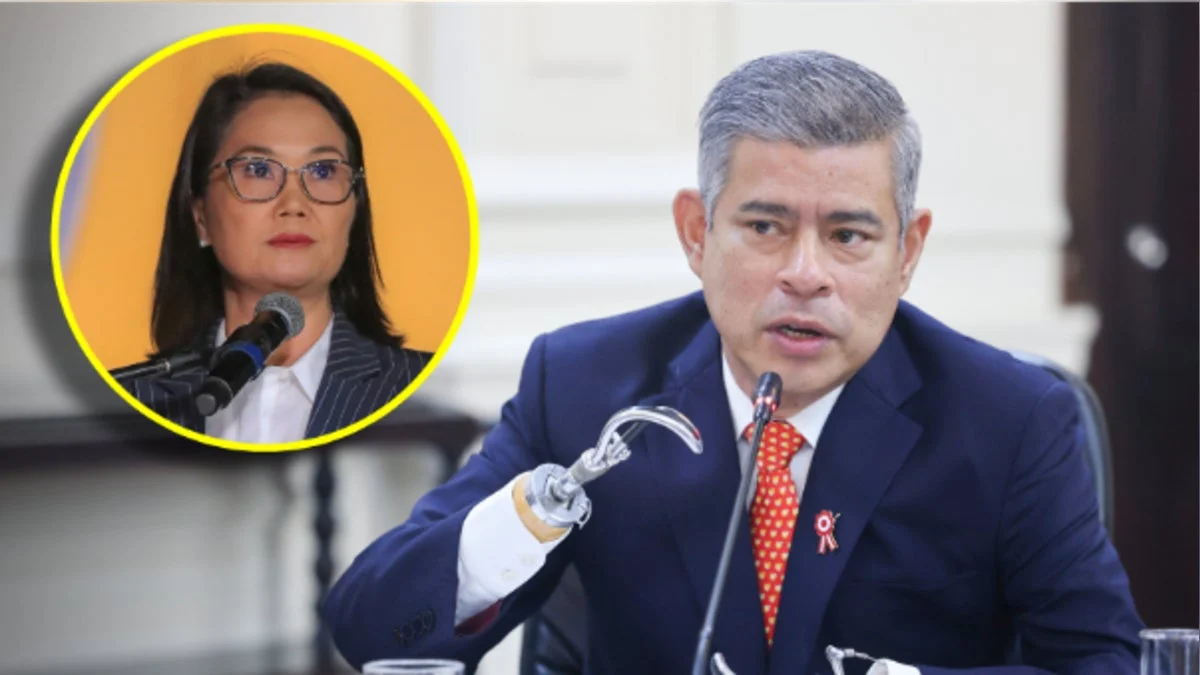
Keiko Fujimori serves as the primary case study for this political metamorphosis. Once a figure who, at Harvard, spoke of the importance of the Truth and Reconciliation Commission (CVR) and condemned the human rights abuses of her father’s regime, she has now repositioned herself as an unapologetic hard-right candidate. The disconnect between her past statements and her present political alignment is emblematic of the cynicism that defines the current era. Similarly, figures like Fernando Rospigliosi represent a "war against the past," where the politician of today seems intent on destroying the credibility of the politician of yesterday.
Global Context: The Rise of the Far-Right
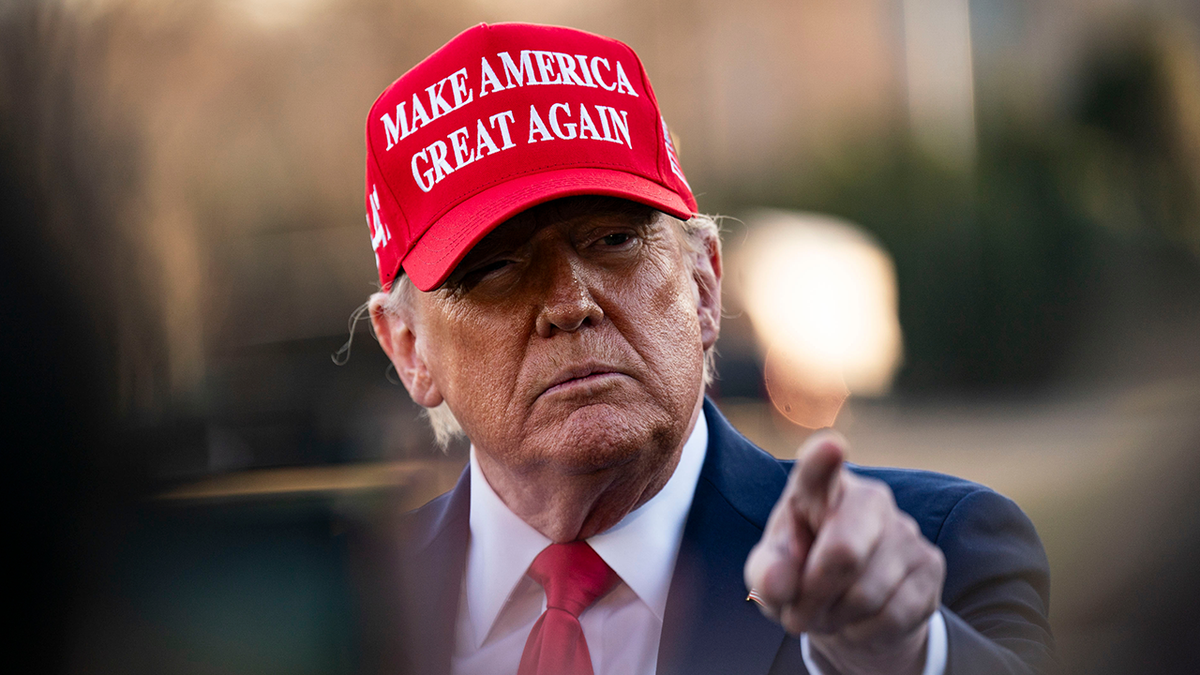
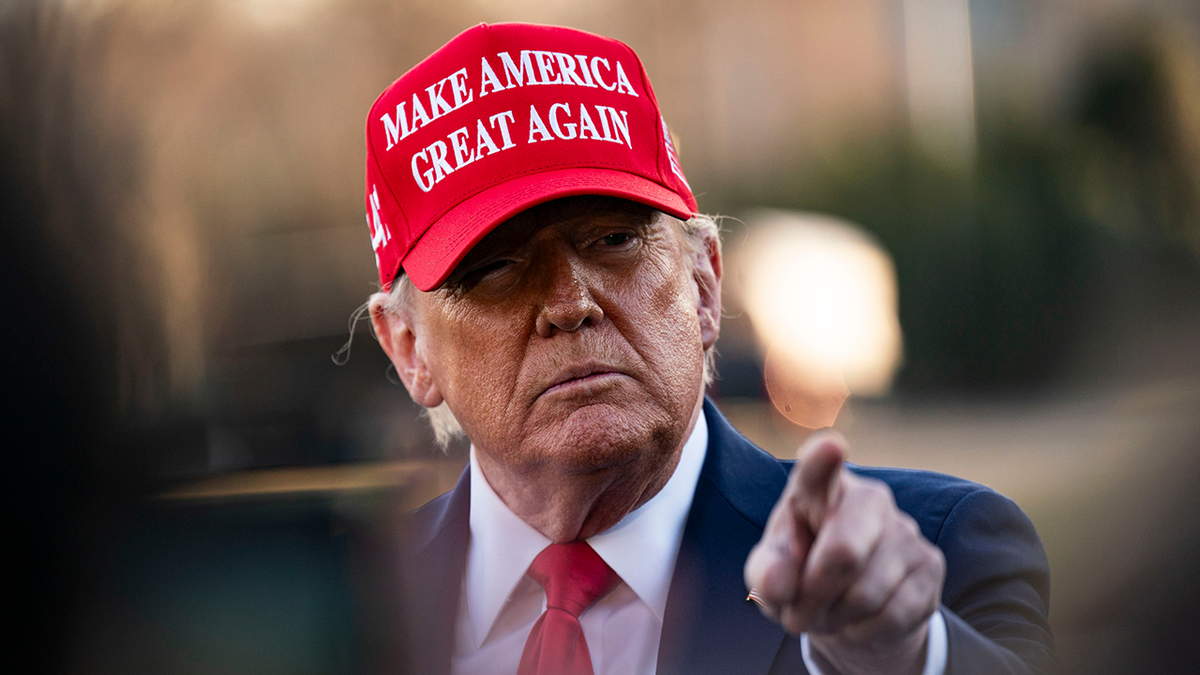
Peru’s crisis does not exist in a vacuum. It is a microcosm of a global democratic backsliding, the most severe since the rise of fascism and Stalinism in the 1920s and 30s. In Europe, despite the defeat of figures like Viktor Orbán in Hungary, the far-right remains a potent threat. In the Western Hemisphere, the shadow of Donald Trump—both his first term and the resurgence of "MAGA" politics—has fundamentally altered the geopolitical map.
Latin America has become a testing ground for these movements:
- Guatemala: The right-wing, emboldened by Trump-era protection, dismantled anti-corruption efforts (CICIG) and captured state institutions.
- El Salvador: The Bukele model has achieved a frightening level of efficiency in blending authoritarianism with populist marketing.
- Nicaragua: Daniel Ortega’s transformation from a Sandinista revolutionary into a "neo-Somoza" dictator.
- Venezuela: A sophisticated intelligence operation turned a kleptocratic state into a protectorate aligned with the interests of global power brokers.
Official Responses and Political Realignment
As Peru approaches the upcoming Sunday election, the electorate is forced to reckon with the reality of the current administration. Polls indicate it is one of the most repudiated governments in republican history.
The central question facing voters is: What kind of government are we trying to avoid? The answer is clear: the one that has facilitated the capture of the state. While the coalition behind the current regime speaks of "order," their actions have only served to exacerbate the chaos, criminality, and corruption that plague the nation.
Conversely, the candidacy of Roberto Sánchez, supported by a coalition of democratic forces, is being presented as the "lesser evil." While his political record is far from flawless, the coalition backing him represents a move toward the center and a commitment to democratic survival. This stands in stark contrast to the Fujimorist-led coalition, which has shown a consistent disregard for the rule of law.
Implications for the Future of Democracy
The dilemma of whether to vote for the "lesser evil" or to cast a blank/null vote is a heavy burden. While a null vote may offer a sense of moral superiority, it carries the risk of political impotence. In the current context, the "lesser evil" vote is not an endorsement of a candidate, but a defensive maneuver to prevent an existential threat to what remains of the democratic architecture.
The implications are clear: if the cycle of the "lesser evil" is to be broken, it cannot happen in the ballot box alone. It requires a long-term, arduous effort to build new political parties and institutions predicated on public integrity.
Key Takeaways:
- Systemic Decay: The Peruvian political system is currently held together by a coalition of convenience rather than ideological conviction, leading to state capture.
- Global Trend: Peru is not an outlier but part of a regional and global shift toward authoritarianism and the decline of traditional democratic norms.
- The Urgent Choice: The upcoming election is framed as a critical juncture. The "lesser evil" is presented as a pragmatic, albeit painful, necessity to safeguard the democratic process from complete collapse.
- Beyond the Ballot: True reform will require a transition from "defensive voting" to the proactive construction of a new political class, a task that requires patience, clarity of purpose, and an unwavering commitment to the public good.
As the country prepares for Sunday, the choice is not between two visions of progress, but between a continued, systematic decay and the fragile possibility of maintaining a democratic foundation upon which to build a better future. The Peruvian dilemma remains, but the stakes have never been higher.