By Legal Affairs Correspondent
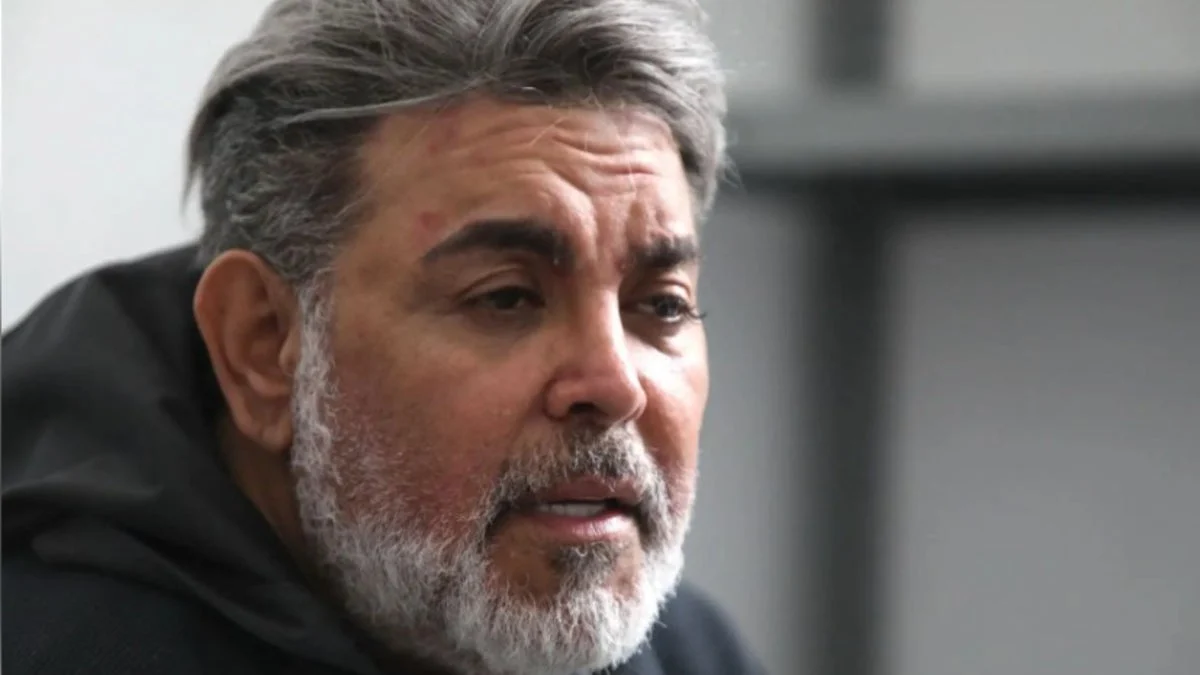
The Peruvian judicial system stands at a pivotal juncture as the Supreme Court prepares to oversee a critical phase in the prosecution of one of the country’s most high-profile figures. On Wednesday, September 30, the Supreme Court of Preparatory Investigation will convene a virtual hearing to commence the "intermediate stage" of the criminal proceedings against television personality Andrés Hurtado, widely known as "Chibolín," and the suspended superior prosecutor, Elizabeth Peralta.
This legal confrontation, centered on the high-profile "Gold Bars" case (Caso Barras de Oro), represents a significant test for the impartiality and efficacy of the Peruvian judiciary. The upcoming hearing is not merely a procedural formality; it is the gatekeeper phase that will determine whether the prosecution’s evidence is sufficiently robust to warrant a full oral trial.
The Mechanics of the Intermediate Stage
Beginning at 2:30 p.m., the Supreme Court will embark on a comprehensive review of the fiscal accusation filed against the defendants. The objective of this phase is twofold: to ensure that the charges meet all legal requirements and to resolve any preliminary motions, objections, or requests submitted by the defense and other procedural parties.
Before reaching the core of the criminal charges, the Court must address a crucial request from the Supreme Prosecutor’s Office: a petition for the "sobreseimiento" (dismissal or archiving) of specific charges against certain individuals involved in the case. This filtering process is essential for streamlining the potential oral trial, ensuring that only the most substantiated allegations move forward to the public courtroom.
The Case Background: ‘Barras de Oro’
The scandal, which has gripped public attention, revolves around allegations of systemic corruption and the trafficking of influence. At the heart of the matter is the alleged intervention of Andrés Hurtado to facilitate the recovery of gold bars that had been seized by the Public Ministry from the company of businessman Javier Miu Lei in 2020.
The prosecution contends that Hurtado acted as a broker, leveraging his influence to ensure that then-superior prosecutor Elizabeth Peralta would intervene in the legal proceedings surrounding the seized assets. The narrative presented by the prosecution suggests a sophisticated web of illicit influence-peddling, wherein public office was utilized for private gain, effectively undermining the integrity of the state’s investigative processes.
Currently, both Hurtado and Peralta are being held under preventive detention. Hurtado is incarcerated in the Lurigancho prison, while Peralta is held at the Anexo de Mujeres de Chorrillos facility, pending the outcome of these proceedings.
Demanding Justice: Prosecution’s Sentencing Requests
The prosecution, led by the Second Supreme Prosecutor’s Office Specialized in Crimes Committed by Public Officials, has adopted an uncompromising stance, seeking severe penalties that reflect the gravity of the alleged offenses.
The Case Against Andrés Hurtado
The Supreme Deputy Prosecutor, Edward Casaverde, has requested a 30-year prison sentence for Andrés Hurtado. The prosecution has leveled three primary charges against him:
- Trafficking of Influences: Alleging that he used his personal connections to manipulate legal outcomes.
- Specific Active Bribery: Pertaining to the alleged exchange of money for official favors.
- Specific Passive Bribery: Accusations stemming from his alleged receipt of illicit funds.
In addition to the custodial sentence, the prosecution is seeking a 20-year ban from holding public office and significant financial penalties. The requested fines range between approximately 520,830 and 760,415 Peruvian Soles. These figures underscore the financial scale of the alleged corruption and the state’s intent to recoup losses incurred through the erosion of public trust.
The Case Against Elizabeth Peralta
The prosecution has been equally firm regarding Elizabeth Peralta, requesting a 24-year prison sentence. The charges against the suspended prosecutor include:
- Aggravated Trafficking of Influences
- Specific Active Bribery
- Specific Passive Bribery
The state is seeking an additional 15-year disqualification from public service for Peralta, coupled with fines ranging from 93,858 to 188,274 Soles. The inclusion of a high-ranking judicial official in such proceedings highlights the profound systemic implications of the case, suggesting a deep-seated corruption that extends into the very institutions tasked with upholding the rule of law.
A Pattern of Alleged Misconduct: The First Accusation
It is crucial to note that the "Gold Bars" case is not the only legal hurdle currently facing Andrés Hurtado. His legal troubles are symptomatic of a broader pattern of alleged misconduct.
On April 29, anticorruption prosecutor Mónica Silva filed a separate accusation against Hurtado, requesting 4 years and 8 months of effective imprisonment. This earlier case centers on his alleged interference in the immigration process of footballer Roberto Siucho in 2019. In that instance, Hurtado is accused of trafficking influence to assist in the renunciation of Siucho’s Peruvian nationality. That case carries with it a 10-year ban from public office and substantial fines.
Furthermore, Hurtado remains under a preliminary investigation by the Public Ministry for the separate, complex charge of money laundering. These overlapping cases paint a picture of a man who, according to prosecutors, operated a multi-faceted network of influence that touched upon immigration, finance, and the judicial system itself.
Chronology of the Scandal
- 2019: Alleged intervention by Hurtado in the immigration proceedings of Roberto Siucho.
- 2020: Seizure of gold bars by the Public Ministry from Javier Miu Lei’s company; alleged onset of the "Gold Bars" conspiracy involving Elizabeth Peralta.
- April 29, 2024: Formal accusation filed by prosecutor Mónica Silva regarding the 2019 immigration case.
- September 30, 2024: Scheduled "Intermediate Stage" hearing for the "Gold Bars" case to determine the transition to oral trial.
Implications for the Peruvian Justice System
The prosecution of a prominent television host alongside a superior prosecutor sends a powerful signal regarding the limits of impunity in Peru. The judiciary is currently under immense pressure to demonstrate that no individual, regardless of their media profile or institutional rank, is beyond the reach of the law.
Impact on Public Perception
The public outcry surrounding "Chibolín" has been immense. For many citizens, the case is a symbol of the "hidden" mechanisms of power that often dictate outcomes in the Peruvian legal system. The outcome of the upcoming hearing and the subsequent trial will serve as a barometer for public trust in the judiciary. If the prosecution fails to secure a conviction, it could exacerbate the existing cynicism regarding corruption in the public sector. Conversely, a successful prosecution could be a landmark moment for judicial accountability.
Procedural Challenges
The complexity of the case, involving multiple defendants and overlapping crimes, presents a significant challenge for the Supreme Court. The virtual nature of the hearing, while necessary for efficiency, also brings to the forefront the challenges of managing high-profile cases in a digital format. Ensuring that the rights of the accused are protected while maintaining the transparency required by public interest will be the primary task of the presiding judge.
Conclusion: The Road Ahead
As the Supreme Court prepares for the September 30 hearing, the legal community and the general public remain in a state of heightened anticipation. The transition from the "intermediate stage" to the "oral trial" will be the most significant milestone in this case to date.
The evidence presented by the prosecution, the rebuttals offered by the defense, and the subsequent rulings of the Court will determine the fate of Andrés Hurtado and Elizabeth Peralta. More importantly, this trial will stand as a testament to the resilience of the Peruvian state in its ongoing battle against corruption. Whether the legal system can effectively navigate these challenges and deliver a verdict that withstands public and professional scrutiny remains to be seen. The coming weeks will undoubtedly be defined by intense legal maneuvering, setting the stage for what promises to be one of the most consequential criminal trials in recent Peruvian history.