The Lambayeque region is currently navigating a pivotal transition in its developmental history. Under the leadership of Regional Governor Jorge Luis Pérez Flores, the local government has unveiled a comprehensive strategy aimed at modernizing public infrastructure, fortifying regional resilience against climate anomalies, and securing a massive investment pipeline valued at S/ 11 billion. As the current administration approaches its conclusion, the focus has shifted toward consolidating key projects—most notably the ambitious revitalization of the Elías Aguirre Stadium—while leaving behind a robust framework for long-term economic prosperity.
Main Facts: A Dual Focus on Sports and Regional Connectivity
At the heart of the regional government’s recent activity is the modernization of the Elías Aguirre Stadium. A cornerstone of Lambayeque’s social and athletic infrastructure, the project has now surpassed a 35% physical completion rate. Governor Pérez Flores confirmed that the initial phase—which involved the complex removal of the aging pitch and the dilapidated athletic track—is complete.
Currently, construction crews are focused on the structural integrity of the grandstands, the modernization of sanitary facilities, and a complete overhaul of the stadium’s surrounding environment. The project is being executed in close technical consultation with the Peruvian Football Federation (FPF) to ensure that the facility meets national and international standards. If the current pace of construction is maintained, the regional administration expects to deliver the renovated stadium by mid-December, providing a significant boost to local sports tourism and community engagement.
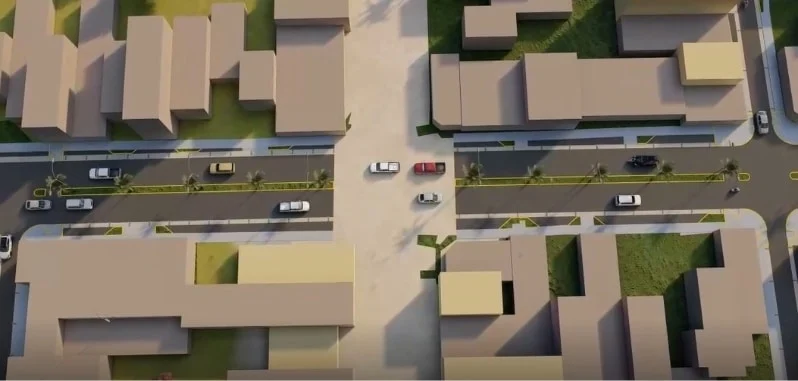
Beyond the sporting arena, the government’s agenda is heavily weighted toward macro-infrastructure. The administration is preparing a hand-over portfolio that includes foundational pillars for Lambayeque’s future: a new terminal port, a modernized industrial park, a strategic logistics hub, and a network of high-speed integration highways designed to link the region to major national trade routes.

Chronology of Development: From Planning to Execution
The path to these developments has been marked by a shift toward more sustainable and efficient procurement models.
- Initial Planning Phase: The administration identified critical bottlenecks in logistics and transit, prioritizing the "Hub Logístico" as a primary economic driver.
- The Mid-Term Shift: Recognizing the constraints of the public budget, the Regional Government of Lambayeque pivoted toward "Obras por Impuestos" (Works for Taxes). This mechanism allowed private sector entities to directly invest in regional road infrastructure, bypassing traditional bureaucratic delays.
- The Current Stage: As of late 2026, the focus is on the "Last Mile" of the current administration’s projects. This involves the active installation of road safety measures, bridge reinforcements, and the finalized planning stages for the port and industrial park.
- December Projections: The government has established a clear deadline for the Elías Aguirre Stadium, aiming for a grand reopening before the year’s end, marking a symbolic victory for the current administration’s infrastructure policy.
Supporting Data: The S/ 11 Billion Investment Portfolio
The sheer scale of the investment portfolio—valued at S/ 11 billion—underscores the ambition of the regional government. This portfolio is not merely a wish list but a structured roadmap designed to attract both domestic and foreign private capital.
Key Investment Components:
- Transport Infrastructure: A significant portion of the budget is earmarked for inter-provincial highways and the improvement of secondary road networks to facilitate the transport of agricultural products from rural hinterlands to urban markets.
- Logistics and Industrialization: The proposed logistics hub is projected to transform Lambayeque into a gateway for Northern Peru, leveraging its geographic proximity to major maritime and land routes.
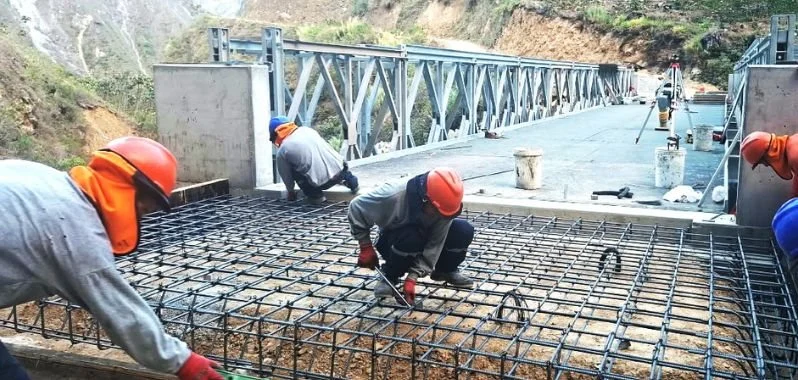
- Safety and Transit: Through the Works for Taxes program, the region has initiated a series of interventions aimed at accident reduction. These include the installation of modern signage, intersection improvements, and the structural stabilization of bridges, such as the key connectivity works seen in the recent Pasco-region-aligned projects.
Official Responses and Strategic Coordination
Governor Pérez Flores has emphasized that these projects are not the product of a single office, but rather the result of a multi-agency effort. The coordination with the Peruvian Army and local municipal governments has been essential, particularly regarding the region’s response to the El Niño Phenomenon.
Climate Resilience and Emergency Preparedness
With the threat of the El Niño weather pattern looming, the regional government has prioritized "defensas ribereñas" (riverbank defenses). These structures are designed to prevent the devastating floods that have historically plagued the region.

"We are not waiting for disaster to strike," the Governor stated in a recent press briefing. "By integrating urban road maintenance—specifically our city-wide pothole repair plan—with major hydraulic defense projects, we are building a region that can withstand environmental shocks while maintaining daily economic activity."
The government has also solidified partnerships with municipal bodies to ensure that heavy machinery, such as tractors and earthmovers, is positioned strategically across the region. Furthermore, the provision of motobombs and humanitarian aid kits has been finalized to ensure that remote, vulnerable communities are not isolated during periods of intense rainfall.
Implications: Building for the Future
The legacy of the current Lambayeque regional government will be defined by its ability to bridge the gap between emergency relief and long-term economic development. By addressing the immediate need for safe infrastructure—such as the bridge and road works—while simultaneously setting the stage for the S/ 11 billion investment, the administration is attempting to change the region’s economic trajectory.
Socio-Economic Impact
The focus on the "rondas campesinas" (peasant patrols) is particularly noteworthy. By equipping over 5,000 members of these organizations, the government is not only improving rural security but also recognizing the vital role these groups play in local governance and disaster management. This grassroots integration ensures that the benefits of the regional infrastructure program reach beyond the urban centers of Lambayeque.

The Road Ahead
As the administration prepares for the transition to the next government, the primary challenge remains the continuity of these massive projects. The creation of a defined, high-value investment portfolio provides a clear path forward for successors. If these projects are executed according to the current plan, Lambayeque could emerge as one of the most competitive economic hubs in Peru, with a modernized stadium serving as a testament to the region’s cultural vitality and a robust port and highway system serving as the engine of its future wealth.
In summary, the current administration has shifted its strategy toward a model of "Resilience and Expansion." By balancing the urgent necessity of disaster prevention with the long-term vision of industrial development, the Regional Government of Lambayeque is positioning itself to be a central player in the Peruvian economic landscape of the next decade. The successful delivery of the Elías Aguirre Stadium will serve as the first litmus test for this strategy, setting the tone for the massive investments that follow.