The Peruvian hydrocarbon sector has entered a critical phase of revitalization as seven distinct entities have formally submitted their technical and economic bids for the operation of the Lote 207. Located within the heart of the prolific Talara Basin in Northern Peru, this asset is a centerpiece of the government’s efforts to sustain and increase domestic oil production as current contracts approach their expiration dates.
The competitive process, managed by Perupetro—the state agency responsible for promoting investments in exploration and exploitation—marks a significant milestone in the national energy agenda. With the current contract for the existing Lote XIII (from which Lote 207 was carved) set to expire in December 2026, the arrival of these bids signals robust market interest in one of Peru’s most historic and stable petroleum provinces.
The Competitive Landscape: Who is Bidding?
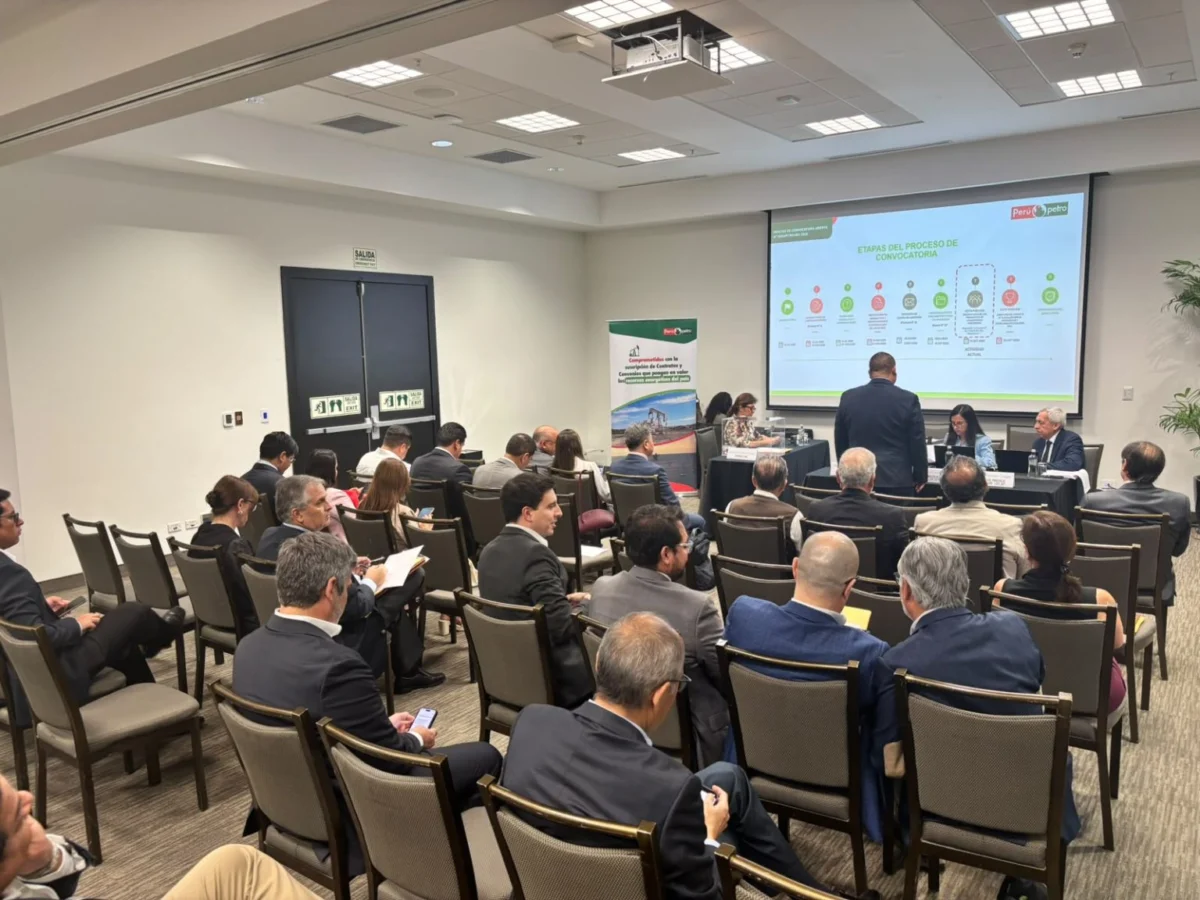
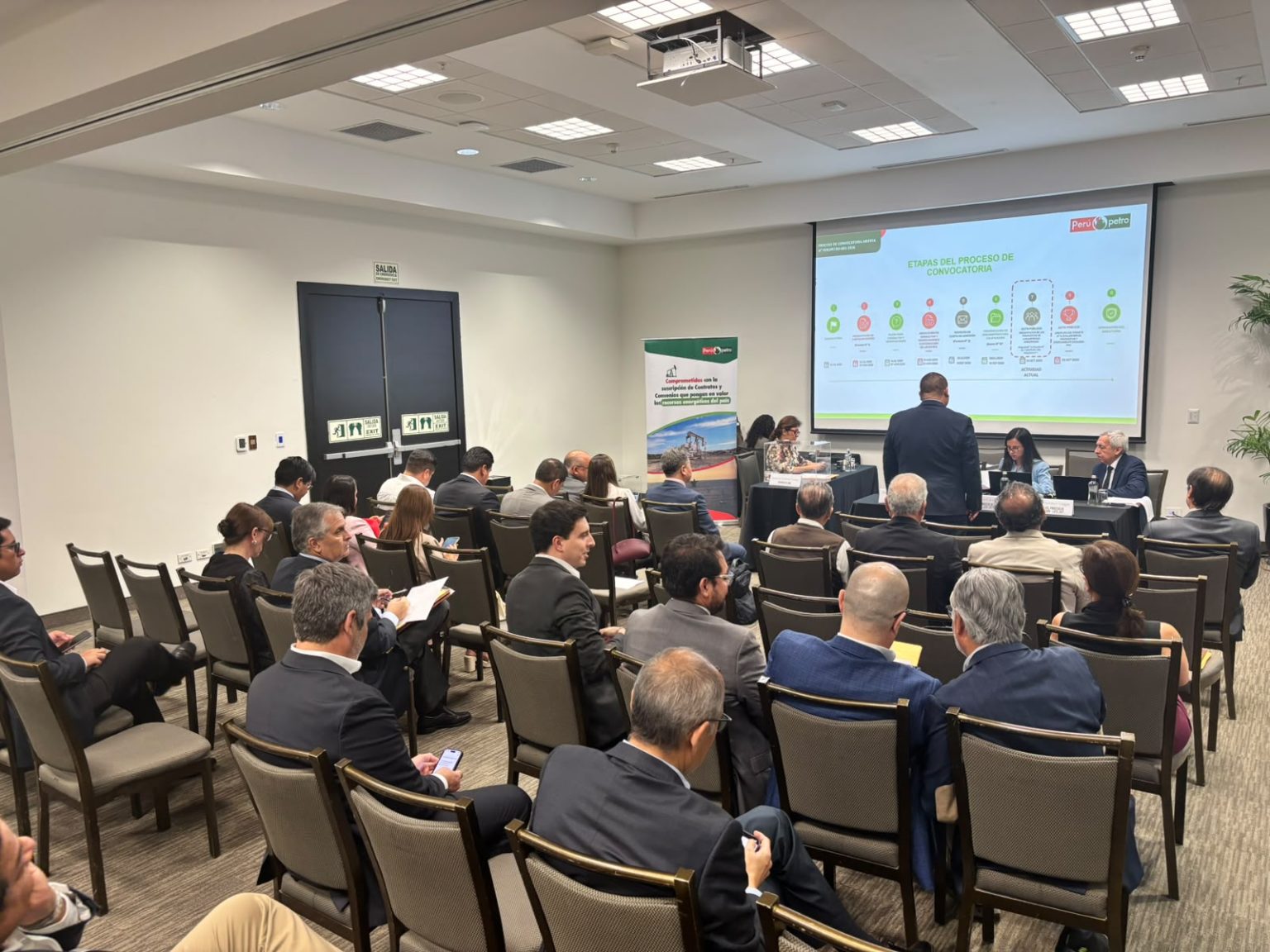
The selection process, held in a public forum on October 21, saw a diverse group of domestic and international firms stepping forward to vie for the 30-year licensing contract. The applicants range from specialized technical service providers to international exploration and production (E&P) firms, reflecting a wide spectrum of strategies for asset development.
The seven entities currently in the running are:
- SPT ENERGY GROUP Inc.
- Offshore Exploration and Production LLC
- Red Internacional de Combustibles y Sistema Avanzados S.A.C.
- Colombian Green Energy S.A.S.
- Curefco International Trading and Shipping (CITASCO) BV – La Ponderosa Energy S.A.
- Sertecpet S.A. – Inventa Energy Enterprises, LLC
- Alpha Integral Service E.I.R.L. – Inexport Servis S.A.C. – Empresa de Transportes Romero S.R.L.
This diverse lineup suggests that the Talara Basin remains a highly attractive prospect, not just for traditional oil majors, but for agile service-oriented firms capable of implementing modern secondary recovery techniques to optimize mature fields.
Chronology of the Selection Process
The path to awarding the contract is governed by a strict, transparent schedule designed to ensure fairness and maximize state revenue.
- Pre-Qualification Phase: Prior to the October 21 deadline, all participants underwent rigorous screening by Perupetro to ensure technical competency and financial solvency. Only companies meeting these high standards were invited to participate in the final submission.
- Submission and Admissibility (October 21): In a public session, bidders presented two distinct packages. Package No. 1 contained the required administrative and admissibility documentation, while Package No. 2 contained the economic and technical offer. The committee proceeded with the opening of Package No. 1 to verify that all bidders met the foundational requirements.
- Evaluation of Proposals (October 26): This critical date marks the opening of Package No. 2. The selection committee will evaluate the depth of the work programs proposed by each bidder.
- Awarding of the ‘Buena Pro’: Following the evaluation, the contract will be awarded to the bidder that provides the most competitive program, specifically focusing on capital expenditure (CAPEX) commitments for well workovers and the drilling of new development and exploratory wells.
Understanding Lote 207: Technical Context
Lote 207 is not a greenfield project; it is a strategic segment (Section A) of the existing Lote XIII. The Talara Basin is famous for its long history of production and its complex, mature geology. Currently, the area covered by Lote 207 generates an average daily production of 750 barrels of oil.
While this may appear modest compared to mega-projects in the Amazon or offshore, the value of Lote 207 lies in its established infrastructure and the potential for incremental production. By awarding a new 30-year license, the Peruvian government is incentivizing the winning bidder to apply advanced extraction technologies—such as enhanced oil recovery (EOR)—to extend the life of these fields.
The bidding criteria prioritize the "Additional Work Program," meaning Perupetro is not merely looking for a operator to maintain the status quo. Instead, they are demanding a commitment to significant new investment, which includes both the rehabilitation of dormant wells and the exploration of untapped zones within the licensed area.
Implications for the Peruvian Energy Sector
The competition for Lote 207 carries significant implications for Peru’s broader energy policy.
1. Fiscal Revenue and Economic Growth
For the Peruvian state, the contract represents a mechanism to secure long-term royalty streams and tax revenues. By locking in a 30-year commitment, the government ensures a steady supply of crude oil, reducing reliance on expensive imports and strengthening the national trade balance.
2. Modernizing Mature Assets
The Talara Basin has been in production for over a century. The challenge for modern operators is to implement "smart" production methods that are environmentally conscious and cost-effective. The success of this bidding process will likely serve as a blueprint for the future management of other aging blocks in Northern Peru.
3. Investor Confidence
The participation of seven firms in this tender is a positive indicator for Peru’s investment climate. In a global market where capital is increasingly selective, the interest in Lote 207 demonstrates that Peru remains a jurisdiction where the risk-reward profile is considered attractive for medium-sized E&P players.
The Role of Perupetro in Promoting Sustainability
Perupetro’s mandate has evolved significantly over the last decade. Beyond merely acting as a licensing body, the agency is increasingly focused on the socio-environmental dimensions of energy development.
The successful bidder will be expected to adhere to stringent environmental regulations and maintain positive relationships with local communities in Piura. The transition from the current operator to the new licensee will require seamless coordination to ensure that the 750-barrel-per-day production remains uninterrupted and that safety standards are upheld.
Looking Ahead: The Evaluation Criteria
As the evaluation phase moves toward the final selection, industry experts are closely watching the "Additional Work Program." The winning company will be the one that successfully balances aggressive drilling targets with the economic realities of the Talara Basin.
Perupetro’s focus on "Additional" work—that which goes beyond the basic regulatory requirements—is a clever mechanism to foster competition. By pitting companies against one another to offer the most comprehensive development plan, the state ensures that the chosen partner is deeply committed to the long-term extraction potential of the region.
Conclusion
The pursuit of Lote 207 is a microcosm of the current state of the Peruvian hydrocarbon industry: a transition toward sustainable production in mature basins, characterized by strong international interest and a firm state-led roadmap. As the envelopes containing the financial and technical offers are opened on October 26, the industry will gain a clearer picture of which company is best positioned to lead the next chapter of the Talara Basin’s storied history.
Whether the winner is an international consortium or a specialized domestic operator, the primary beneficiary will be the Peruvian energy sector, which stands to gain from the injection of new technology, capital, and a commitment to unlocking the full potential of its hydrocarbon resources for the next three decades.