Executive Summary: A Legal Turning Point
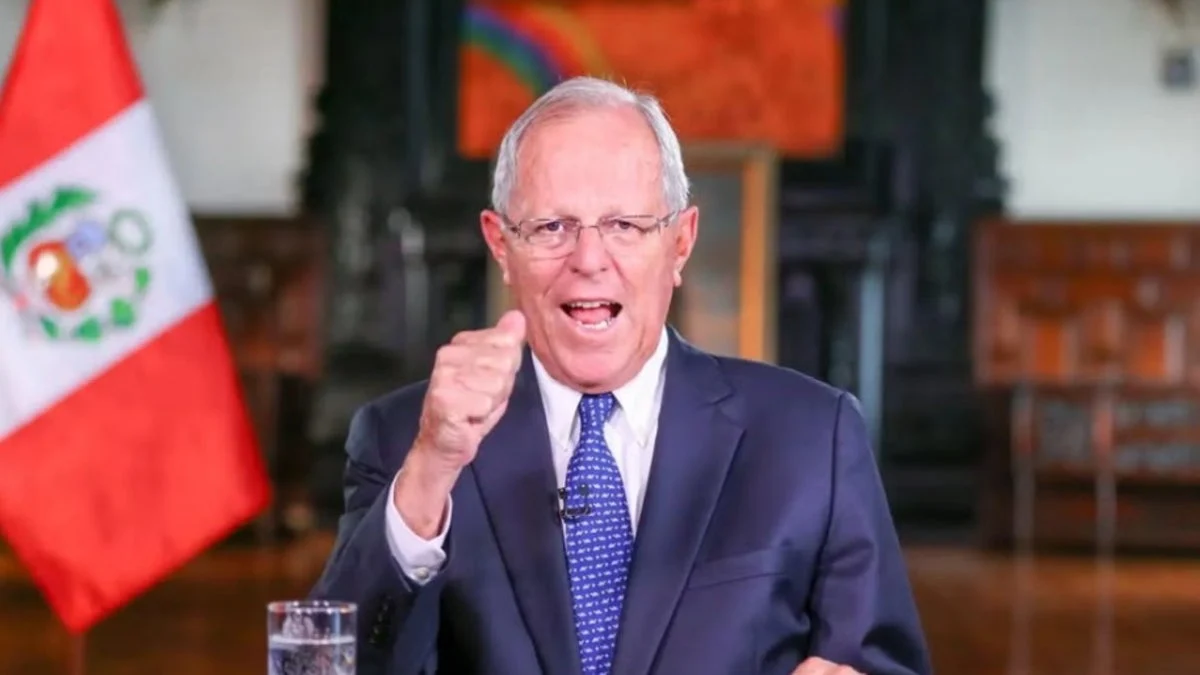
In a significant development for the legal standing of former Peruvian President Pedro Pablo Kuczynski (PPK), the Fourth National Preparatory Investigation Court has officially lifted the judicial travel ban that had constrained his movements for years. This decision, formalized in a resolution dated October 7, follows the definitive shelving of the criminal proceedings initiated against the former head of state regarding alleged financial irregularities during his 2016 presidential campaign.
The lifting of the restriction marks a pivotal moment in one of the most high-profile corruption investigations in recent Peruvian history. By ordering the notification of the National Superintendence of Migration and the National Police, the judiciary has effectively cleared the path for Kuczynski to travel internationally without prior judicial authorization, marking the end of a prolonged period of legal scrutiny centered on claims of money laundering and organized crime involvement.
Chronology: The Evolution of a Legal Battle
The legal journey of Pedro Pablo Kuczynski has been complex, spanning multiple investigations and evolving court rulings. To understand the significance of this latest development, one must look at the timeline of the case:
The Genesis: December 2018
The investigation was triggered in late 2018 following explosive allegations. Five individuals, listed in the official records of the now-defunct political party Peruanos por el Kambio (PPK) as campaign contributors, publicly testified that they had never provided the funds attributed to them. These testimonies suggested that the campaign’s financial reporting may have been used to conceal illicit funds, leading the Public Ministry to open a formal probe into Kuczynski for aggravated money laundering and acting as part of a criminal organization.
The Peak of Judicial Pressure
For several years, Kuczynski faced a series of restrictive measures, including house arrest and, subsequently, a strict travel ban (impedimento de salida del país). These measures were intended to ensure his presence throughout the investigation, which expanded to cover various aspects of his administration and campaign financing.
The Turning Point: August 20, 2024
The decisive shift occurred in late August when the Third National Penal Chamber of Appeals ruled in favor of Kuczynski’s defense team. The Court of Appeals declared "well-founded" an exception of impropriety regarding the action (excepción de improcedencia de acción). In legal terms, this meant that the court determined the facts attributed to Kuczynski by the Prosecutor’s Office did not constitute a crime under the current legal framework. Consequently, the four key pillars of the prosecution’s case were dismissed, effectively dismantling the foundation of the criminal process.
The Final Step: October 7, 2024
Following the Appeals Court’s decision, the Fourth National Preparatory Investigation Court moved to finalize the procedural housekeeping. On October 7, the court issued the official resolution confirming that the travel ban had lost its legal basis. The court ordered the immediate notification of immigration and police authorities to expunge any records of the ban and to clear Kuczynski’s judicial, penal, and police background related specifically to this case.
Supporting Data and Procedural Context
The dismissal of the case against Kuczynski is not merely a technicality but a result of a rigorous judicial review of the prosecution’s theory of the case.
The Prosecution’s Theory
The Public Ministry had argued that the "false" contributors were a mechanism to mask money laundering, suggesting that the campaign had been financed by illicit sources. The prosecution linked these funds to a broader alleged criminal network operating within the political party.
The Defense’s Argument
Kuczynski’s legal defense maintained throughout the process that there was no criminal intent and that the allegations of "organized crime" were unsupported by evidentiary facts. By filing the "exception of impropriety," the defense successfully convinced the appellate court that the activities alleged—even if taken as true—did not meet the legal threshold for the charges of money laundering or participation in a criminal organization.
The Court’s Mandate
The court’s recent resolution is comprehensive. Beyond lifting the travel ban, it serves as a "rehabilitation" of the subject’s record. The order to notify the National Police and the judiciary to nullify all police, penal, and judicial antecedents generated by this specific investigation ensures that the former president’s record is cleaned of the stigma associated with these particular charges.
Official Responses and Perspectives
The news has been met with reactions ranging from technical adherence to the rule of law to skepticism from political observers.
- The Judiciary: The Fourth National Preparatory Investigation Court acted in strict compliance with the higher court’s ruling. By confirming that the procedural measures (such as the travel ban) must expire once the underlying criminal case is shelved, the court has adhered to the principle of "proportionality" in judicial intervention.
- The Defense: Kuczynski’s legal team has maintained that this outcome vindicates their client. They have consistently argued that the judicial system was being used to pursue political figures without substantial proof, and they view this decision as the final chapter in a long-standing effort to clear the former president’s name.
- Public Opinion: The case of PPK has been a lightning rod for public debate in Peru. While some see the dismissal as a necessary correction to overzealous prosecution, others worry that the dismissal of complex white-collar crime cases reflects an inability of the Peruvian judicial system to effectively prosecute political corruption.
Implications: What This Means for Kuczynski and Peru
Personal Freedom for the Former President
For Pedro Pablo Kuczynski, the immediate implication is a restoration of mobility. At 85 years old, the lifting of the travel ban allows him to manage his personal and professional affairs without the constant specter of judicial oversight. It removes the state’s restriction on his right to free movement, a fundamental right that had been curtailed for years.
The Broader Political Landscape
This decision arrives at a time when Peru’s political landscape remains highly volatile. The closure of this case is significant because it highlights the increasing tendency of the judiciary to challenge the prosecution’s "organized crime" narratives. It suggests a more rigorous evidentiary standard is being applied by the appellate courts in cases involving high-ranking former officials.
Lessons for the Public Ministry
The development serves as a critical check on the Public Ministry’s investigative strategies. While the fight against corruption remains a top priority for Peruvian society, the judicial system has sent a clear signal that prosecutions must be backed by actions that meet strict definitions of criminal law. The failure to secure a conviction in this instance may lead to a reassessment of how prosecutors build cases against political figures, potentially moving toward more evidence-based, narrow prosecutions rather than broad claims of criminal conspiracy.
Conclusion: A Legacy in Question
While the travel ban has been lifted and the specific penal process for the 2016 campaign contributions has been archived, the legacy of Pedro Pablo Kuczynski remains a subject of intense national debate. His resignation from the presidency in 2018 in the wake of mounting pressure and legislative confrontation marked a dark period for Peruvian governance.
This latest judicial development does not erase the political history of his tenure, nor does it necessarily shield him from other ongoing legal inquiries. However, it represents a definitive legal victory for the former president. As the dust settles on this particular legal chapter, the focus shifts to how the Peruvian judiciary will handle the remaining complexities of its anti-corruption agenda, balancing the need for accountability with the necessity of due process and the rule of law. For Kuczynski, the closure of this case offers a measure of finality that few political figures in Peru have managed to achieve in recent years.