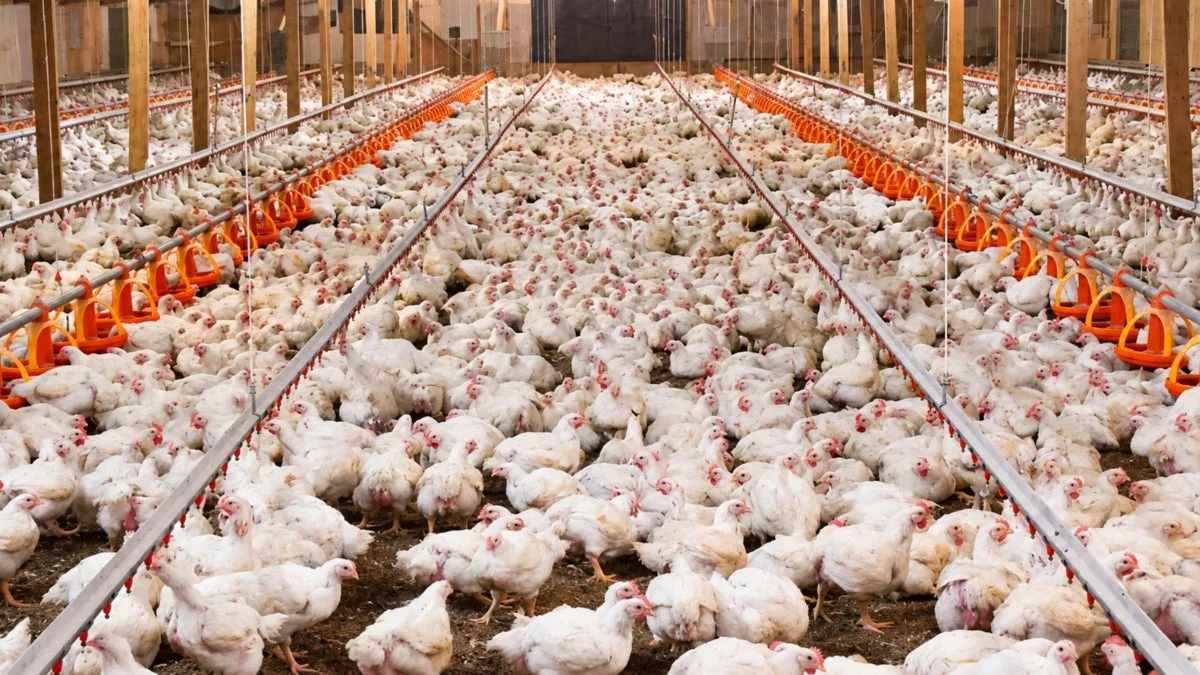
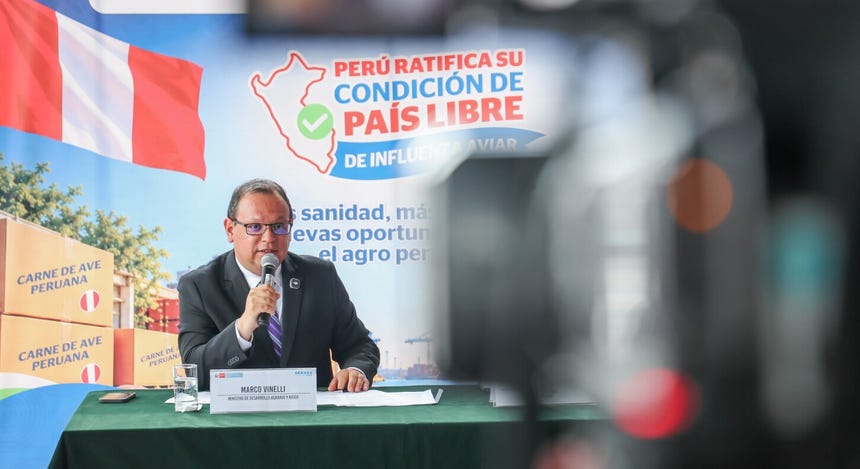
In a significant milestone for national food security and the agricultural economy, Peru has been officially recognized as a country free of high pathogenicity avian influenza (HPAI) in domestic poultry. This declaration, ratified by the World Organisation for Animal Health (WOAH), marks a critical turning point for the nation’s poultry sector, which serves as the backbone of the Peruvian diet and a pillar of its rural economy.
The announcement, formalized following the publication of the country’s self-declaration on September 24, 2026, concludes a period of rigorous sanitary surveillance and proactive control measures. For a nation where the consumption of poultry is deeply ingrained in both culinary tradition and nutritional necessity, this international endorsement provides both economic stability and public peace of mind.
The Significance of the WOAH Recognition
The World Organisation for Animal Health (WOAH) serves as the global authority on animal health standards. By validating Peru’s status, the organization confirms that the country has effectively eliminated active outbreaks of HPAI within its domestic poultry population in accordance with the Terrestrial Animal Health Code.
Minister of Agricultural Development and Irrigation, Marco Vinelli, emphasized the magnitude of this achievement during his recent address. "This is a pivotal moment for our country," Vinelli stated. "Nearly 25% of all agricultural production in Peru stems from the poultry sector. We are talking about a massive industrial and artisanal infrastructure that produces approximately 2 million tons of poultry meat annually, with 1.8 million tons specifically consisting of chicken."
For the Peruvian government, the recognition is not merely a bureaucratic formality; it is a vital safeguard for the 1.8 million tons of chicken that feed the populace. By shedding the "infected" status, the nation mitigates the risk of sudden trade restrictions and provides local producers—from large-scale industrial farms to small family-run cooperatives—the stability required to maintain consistent supply chains.
Chronology: From Crisis to Containment
The journey to this status was marked by a series of strategic maneuvers by the National Agricultural Health Service (SENASA). The struggle against HPAI began in earnest as the virus posed a threat to both domestic birds and wild populations, prompting a nationwide mobilization.
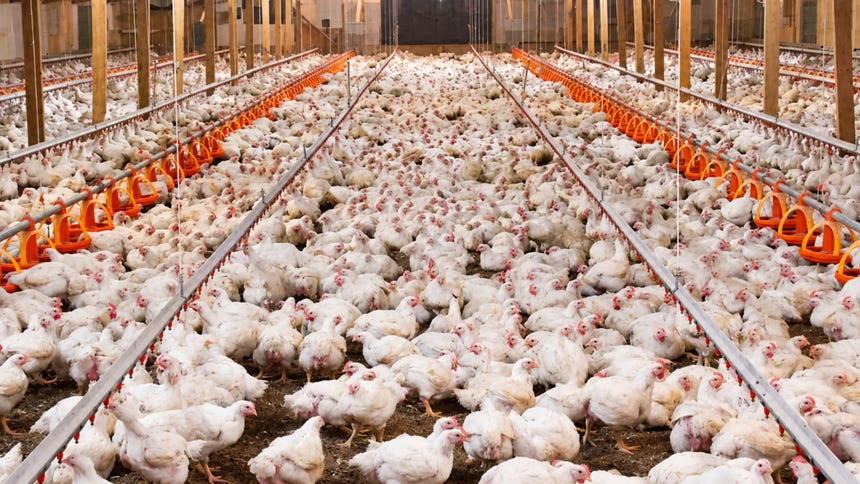
- Mid-2026 Outbreaks: The situation reached a critical juncture in July 2026, when SENASA identified confirmed cases of the A(H5N1) strain in poultry within the districts of Cañete and Carabayllo, in the Lima region.
- Emergency Declaration: Recognizing the potential for rapid transmission, the government acted swiftly. A nationwide sanitary emergency was declared for an initial period of 90 days. This decree empowered authorities to implement aggressive epidemiological surveillance and strict containment protocols.
- Containment Operations: During this window, local officials implemented immediate quarantine measures, increased testing, and enhanced biosecurity protocols for farms located in the affected buffer zones. The goal was to prevent the "spillover" of the virus from wild avian populations—often the primary carriers—into commercial farming operations.
- Systematic Monitoring: Following the initial containment, the government conducted extensive sampling across all regions. By demonstrating the absence of the virus for a sustained period, Peru fulfilled the requirements for the WOAH’s current declaration of freedom from the disease.
Supporting Data: The Poultry Industry as a National Pillar
To understand why this news is of national importance, one must look at the data. Peru is one of the highest consumers of chicken in Latin America. According to current figures from the Ministry of Agricultural Development and Irrigation (Midagri), the average Peruvian consumes approximately 55 kilograms of chicken per year.
The Economic Impact
The poultry industry is not just about nutrition; it is a massive employer and contributor to the GDP. With nearly a quarter of all agricultural production tied to the sector, any disruption in supply has immediate inflationary effects on food prices.
The stability of this sector ensures:
- Price Stability: A healthy, unthreatened supply chain prevents the price spikes that typically accompany mass culling or the sudden cessation of production.
- Rural Employment: Poultry farming provides consistent income for thousands of small-scale producers. The threat of avian influenza previously loomed over these producers, as a single case could lead to the loss of their entire livelihood.
- Export Potential: While much of the production is for domestic consumption, the international recognition of "disease-free" status keeps the door open for future trade negotiations and the export of genetic material and poultry products to regional partners.
Official Responses and Public Reassurance
Minister Vinelli’s message to the public was one of unwavering confidence. A primary concern for the government throughout the crisis was the potential for misinformation regarding the safety of consuming poultry products.
"We want to ensure that the public understands that the food they are consuming is safe," Vinelli stated. "There is no reason for fear. On the contrary, this is a protein source that is of the utmost importance for the development of our country, and with this status confirmed, we expect to continue increasing our per capita consumption."
Public health experts and SENASA officials have consistently maintained that HPAI is primarily an animal health concern. Properly cooked chicken and eggs do not pose a risk of transmitting the virus to humans, a point that the government has reiterated in media campaigns to prevent the plummeting of demand that often follows such health scares.
Future Implications: Maintaining the "Free" Status
Achieving the status of an HPAI-free nation is a major accomplishment, but it is not a permanent guarantee. The nature of avian influenza, particularly the highly mobile A(H5N1) strain, means that the risk of reintroduction—particularly via migratory birds—remains a constant challenge.
Strengthening Biosecurity
The Ministry has announced that it will continue to invest in the modernization of poultry farming infrastructure. The focus is now on:
- Enhanced Biosecurity: Implementing stricter controls on farm access, bird housing, and sanitation for small and medium-sized farms to prevent interaction with wild bird populations.
- Continuous Surveillance: SENASA will maintain a permanent state of alert, utilizing updated diagnostic tools to detect any potential future outbreaks at the earliest possible stage.
- Farmer Education: Providing ongoing training for rural producers on how to recognize symptoms and how to manage their farms to minimize risks of contamination.
Long-term Food Security
The recognition by the WOAH is a testament to the effectiveness of Peru’s centralized sanitary management. By integrating scientific research, rapid policy implementation, and clear communication, the country has managed to stabilize its most important food source.
As Peru looks toward the future, the stability of its poultry sector will remain a focal point of its agricultural policy. The government’s commitment to keeping the nation free of avian influenza is directly linked to its goal of combating food insecurity and maintaining the nutritional health of the population. With 55 kilograms of chicken per person annually, the health of the Peruvian poultry industry is synonymous with the health of the Peruvian people.
In conclusion, the recent ratification from the World Organisation for Animal Health serves as both a validation of past efforts and a blueprint for future agricultural resilience. While the 2026 emergency was a period of trial for the industry, the resulting cooperation between the state, the private sector, and the scientific community has emerged as a successful model for managing modern agricultural crises in the globalized era.