In a decisive move to fortify one of Peru’s most economically vital regions against the recurring threat of climate-driven disasters, ProInversión has announced a robust strategy to unlock over S/ 4.3 billion in private capital. Through the "Obras por Impuestos" (OxI) mechanism—a public-private partnership model that allows companies to fund infrastructure in exchange for tax credits—Piura is positioning itself to bridge critical infrastructure gaps that have historically left the region vulnerable to the devastating impacts of the El Niño phenomenon.
The Financial Framework: Unlocking Private Capital for Public Good
The core of this initiative lies in the strategic allocation of S/ 4,352 million, a massive financial pool designed to accelerate project development. Unlike traditional public procurement, which can be hampered by bureaucratic delays and fiscal constraints, the OxI model empowers private entities to oversee the construction of essential public works directly.
This capital is distributed across three primary administrative tiers to ensure comprehensive coverage:
- Regional Government of Piura: With an allocation of S/ 2,657 million, the regional government holds the lion’s share of the budget, intended for large-scale infrastructure projects such as major highways, regional irrigation systems, and hospital networks.
- Local Municipalities: Provincial and district governments have access to S/ 1,614 million. This funding is specifically earmarked for "last-mile" infrastructure, including urban drainage, school renovations, and local road maintenance.
- Public Universities: An allocation of over S/ 80 million has been set aside for higher education infrastructure, aiming to modernize research facilities and campus security to ensure academic continuity even during extreme weather events.
Chronology: A Multi-Year Strategy for Climate Resilience
The push to leverage OxI in Piura is not a reactionary measure but part of a long-term strategic shift in how the region manages disaster risk.

- Q1 2026 (Preliminary Planning): ProInversión identified Piura as a high-priority zone following projections of increased precipitation and river overflows. Technical teams began mapping the most vulnerable infrastructure, specifically focusing on drainage basins and flood-prone urban centers.
- Q2 2026 (Engagement Phase): Roadshows were conducted with major national and international firms operating in the region. The goal was to align private sector CSR (Corporate Social Responsibility) initiatives with the government’s "preventative infrastructure" roadmap.
- Q3 2026 (The Current Surge): The announcement of the S/ 4.3 billion allocation marks the transition from planning to execution. As of August 2026, the focus has shifted toward finalizing the "technical dossiers"—the blueprints required for construction to commence.
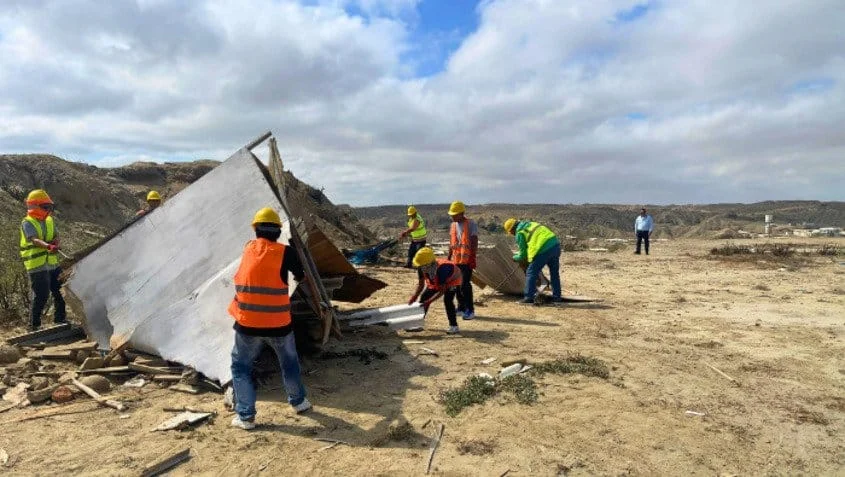
- Q4 2026 and Beyond: The upcoming months are critical for the start of civil works, particularly regarding river defenses, before the onset of the peak rainy season.
Supporting Data: Why Infrastructure is the Primary Defense
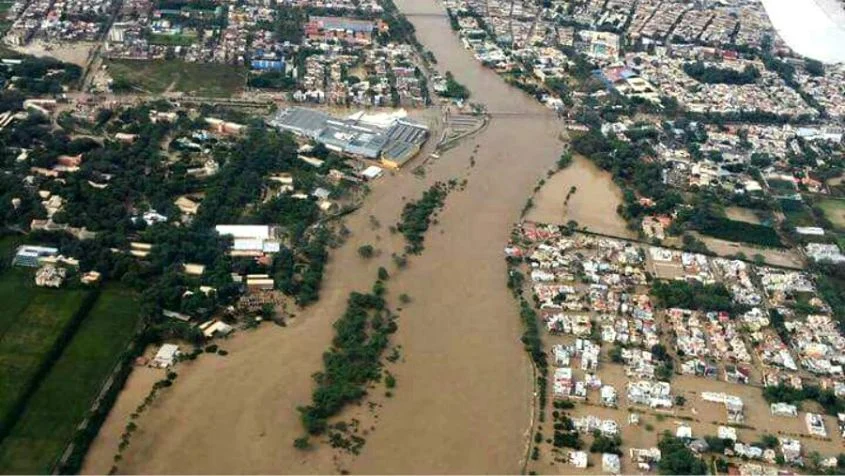
The necessity for this investment is underscored by decades of data regarding the "El Niño" phenomenon. In past events, the lack of adequate drainage systems in cities like Piura and Sullana led to catastrophic flooding, resulting in millions of dollars in losses for the agricultural sector—a key pillar of the region’s GDP.
According to preliminary reports from the National Water Authority (ANA) and regional planners, the current investment priority list includes:
- Riverbank Protection: Constructing reinforced concrete barriers along the Piura River to prevent the overflow that historically devastated the city center.
- Drainage Systems: Installing high-capacity urban water evacuation systems to prevent the stagnation of rainwater, which leads to the spread of waterborne diseases.
- Transport Connectivity: Upgrading critical rural roads to ensure that agricultural produce can reach markets, even if the primary highways are affected by mudslides.
Official Perspectives: ProInversión’s Vision
Luis Del Carpio, a leading representative of ProInversión, recently addressed the urgency of the situation. In his statement, he highlighted that the current year has seen an unprecedented pace of adjudications. "Our mission is to function as the technical arm of the Piura region," Del Carpio noted. "We are not just facilitating contracts; we are destrabbing the systemic hurdles that have historically slowed down regional progress. The climate does not wait for bureaucratic cycles, and our goal is to ensure that development continues regardless of the environmental pressures."
The institution has committed to providing specialized technical oversight to local mayors and regional officials, ensuring that the projects funded by private companies meet the highest international engineering standards. This technical support is vital to ensuring that the works are not only completed quickly but are also durable enough to withstand the extreme weather patterns expected in the coming decade.

The Socio-Economic Implications
The broader implications of this massive influx of private capital go beyond immediate disaster mitigation. By incentivizing the private sector to participate in public works, Piura is fostering a new model of regional development that is more resilient to fiscal volatility.
1. Reducing the "Infrastructure Gap"
For years, the infrastructure deficit in Piura has acted as a ceiling on its economic potential. By channeling tax obligations into tangible assets, the region is essentially self-financing its own growth. This reduces reliance on central government transfers, which are often subject to national political fluctuations.
2. Strengthening Agricultural Security
Piura is a powerhouse for fruit exports, particularly mangoes, grapes, and limes. The preservation of irrigation canals and the protection of farmland from seasonal floods are not merely environmental concerns; they are issues of food security and international trade stability. The OxI projects are expected to stabilize production costs for farmers who have previously faced high insurance premiums and loss of yield due to floods.
3. Urban Development and Quality of Life
The planned urban improvements, including better roads and modern educational facilities, will significantly elevate the standard of living for local residents. By mitigating the "mud-and-pothole" cycle that typically follows El Niño events, the regional government aims to foster a more stable environment for small businesses and families.

The Road Ahead: Challenges and Monitoring
While the scale of the investment is historic, the success of the initiative will ultimately depend on the efficiency of the monitoring phase. The collaboration between the regional government and the private sector requires a high degree of transparency. ProInversión has signaled that they will implement a rigorous auditing process for every project under this portfolio.
Furthermore, the integration of environmental impact assessments (EIA) into these projects remains a top priority. As these works are located in sensitive ecological zones near riverbeds, engineering solutions must be sustainable, ensuring that the structures built to protect the city do not inadvertently create new environmental challenges downstream.
Conclusion
Piura stands at a critical juncture. With the threat of the El Niño phenomenon looming, the region has chosen a path of proactive investment rather than reactive repair. By leveraging the OxI mechanism, the local government has effectively mobilized S/ 4.3 billion, turning tax liabilities into a shield against climate disaster.
If this strategy succeeds, it will serve as a blueprint for other regions across Peru. The collaboration between ProInversión, private enterprise, and local leadership demonstrates that when public and private interests align around the shared goal of regional resilience, the result is not just a stronger economy, but a safer, more sustainable future for all citizens. The months ahead will be defined by the sound of heavy machinery as the region races to complete these vital projects before the skies open, setting a new standard for how a community can prepare for, and withstand, the forces of nature.