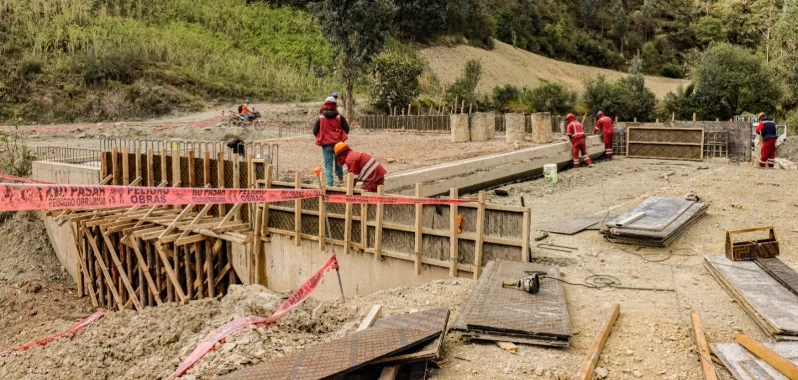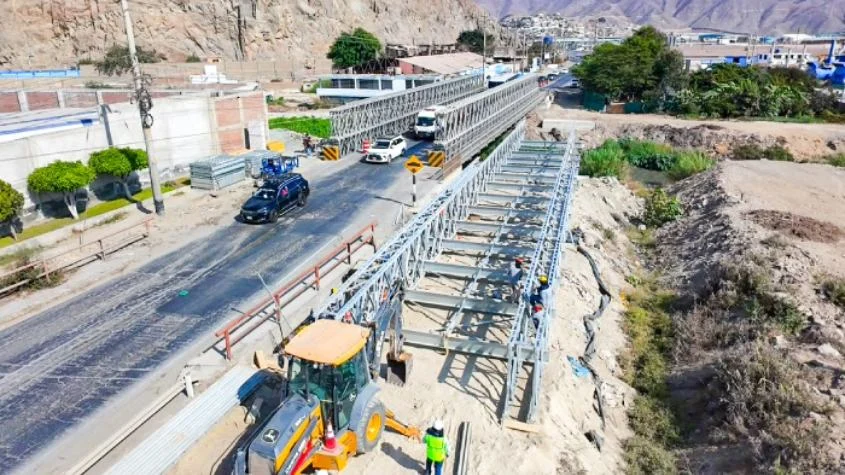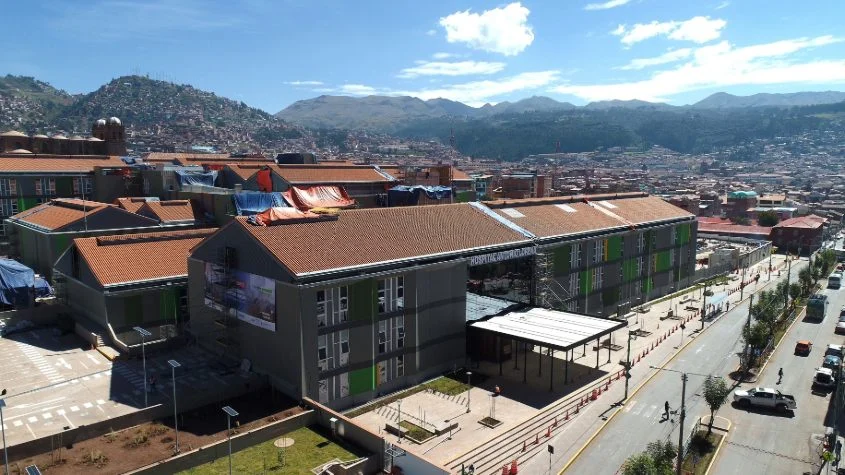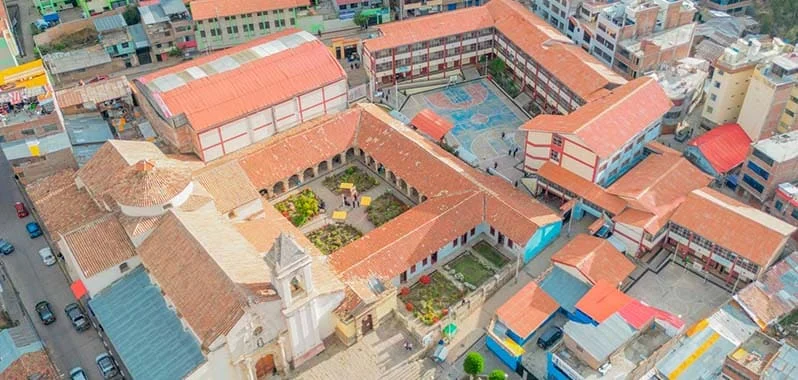
In a significant move to bolster public education infrastructure in the Andean highlands, the Regional Government of Huancavelica has officially commenced a transformative project aimed at modernizing the sporting facilities of the "Francisca Diez Canseco de Castilla" Female Educational Institution. This initiative, valued at approximately S/ 739,959.79, marks a critical turning point for the local student population, addressing long-standing deficiencies in climate protection and recreational amenities.
Main Facts: A Project for the Future
The project, executed under the IOARR (Investments in Optimization, Marginal Expansion, Replacement, and Rehabilitation) framework, focuses on the construction of a comprehensive roof and the installation of state-of-the-art sports equipment. The primary objective is to safeguard more than 1,200 secondary school students from the harsh environmental conditions prevalent in the Huancavelica region.
The contract, signed with the "Consorcio Canseco," mandates a strict 90-day construction schedule. By the end of this period, the school’s central courtyard—formerly an exposed area subject to the whims of the elements—will be transformed into a versatile, all-weather facility suitable for physical education, formal school assemblies, and national ceremonies.
Chronology of the Intervention
The road to this modernization project was not instantaneous. It is the culmination of years of advocacy by the school’s administration, parent associations, and the student body.

- Preliminary Assessment: Regional authorities conducted site visits to evaluate the deteriorating state of the school’s open-air facilities, noting that intense solar radiation and heavy seasonal rains frequently forced the suspension of outdoor activities.
- Approval and Budgeting: Following the technical validation of the project requirements, the Regional Government allocated the necessary budget of S/ 739,959.79, prioritizing the initiative within the regional development plan.
- Procurement Process: The bidding process concluded with the selection of the Consorcio Canseco, a group tasked with adhering to the rigorous technical specifications set by the regional engineering department.
- Contract Signing: The official agreement was signed in late 2026, marking the formal start of the execution phase.
- Current Status: Construction crews are currently mobilizing, with the 90-day countdown officially underway. The community is monitoring the progress, anticipating completion by early 2027.
Supporting Technical Data
The modernization project is not merely a superficial upgrade; it is a sophisticated engineering endeavor designed to withstand the unique geographical challenges of the Peruvian Andes.
Engineering Specifications
The new structure will span a total area of 964.96 square meters. The engineering design includes:
- Foundations: The structure will be anchored by high-resistance concrete "zapatas" (footings) to ensure stability against potential seismic activity.
- Vertical Support: Robust circular columns and rectangular beams will serve as the skeletal framework, providing both aesthetic appeal and structural durability.
- Climate Control: The centerpiece of the project is the installation of a high-performance "termotecho" (thermal roofing system). This material is essential in Huancavelica, as it provides superior insulation against the intense Andean sun while simultaneously offering a watertight barrier against torrential rainfall.
Sports Equipment Integration
The project goes beyond simple civil works. The technical dossier includes a comprehensive equipment package specifically tailored for high-impact school sports. This includes the provision of specialized gear and court markings for:
- Volleyball and Basketball: Professional-grade systems designed for safety and longevity.
- Football (Futsal): Upgraded surface treatments and perimeter safety equipment.
- Gymnastics: Dedicated equipment to support the physical development curriculum, ensuring that the 1,200 students have access to the same quality of training facilities found in more affluent urban centers.
Official Responses and Stakeholder Impact
The regional administration has emphasized that this project is a component of a larger strategy to reduce the "infrastructure gap" in public schools.

"Our goal is to ensure that every student in Huancavelica, regardless of the school’s location, has an environment that fosters physical and mental growth," a representative from the Regional Government stated during the project launch. "The Francisca Diez Canseco school is a pillar of female education in our province, and this investment is a testament to our commitment to their future."
For the faculty and parents, the project represents a sigh of relief. The lack of cover meant that, for years, students were forced to choose between performing physical activities under a scorching sun or staying inside classrooms during rain, effectively losing valuable hours of physical development. The new roof will facilitate a consistent schedule, enabling the school to host regional sports competitions and inter-school events, further integrating the institution into the wider provincial social fabric.
Broader Implications for the Region
This project is part of a broader, nationwide trend toward standardizing school facilities. The regional government is currently prioritizing similar initiatives across other provinces, including recent approvals for the "Perú Birf" school in Ferreñafe, Lambayeque.
Social and Health Benefits
The long-term implications for the student body are twofold:

- Health Outcomes: Regular physical activity is vital for adolescent health. By removing the environmental barriers to sports, the school can actively combat sedentary behavior and associated health risks among the youth.
- Educational Quality: A school with adequate infrastructure often experiences improved student retention and morale. The ability to hold ceremonies and assemblies under a sheltered space fosters a sense of community and school pride, which are critical components of a positive educational experience.
Economic Impact
The investment of nearly S/ 740,000 serves as a stimulus for the local economy. The use of regional labor and the potential procurement of materials from local suppliers ensure that the capital remains within the Huancavelica ecosystem. Furthermore, the project serves as a model for "IOARR" implementation, showing how small-to-medium-scale infrastructure investments can produce outsized benefits for the community.
Conclusion
As the construction crews work toward the 90-day deadline, the atmosphere at the Francisca Diez Canseco school is one of anticipation. The transformation of a barren, exposed courtyard into a modern, climate-controlled sports hub is more than just a construction project; it is an investment in the dignity and well-being of over 1,200 young women.
As the regional government continues to roll out these improvements, the focus remains clear: providing the necessary tools and environments for the next generation of Huancavelican students to excel. This project is a clear indicator that despite the topographical and climatic challenges of the region, the commitment to educational excellence remains an unwavering priority. The successful completion of this work will undoubtedly stand as a benchmark for future municipal and regional projects throughout the Peruvian highlands.