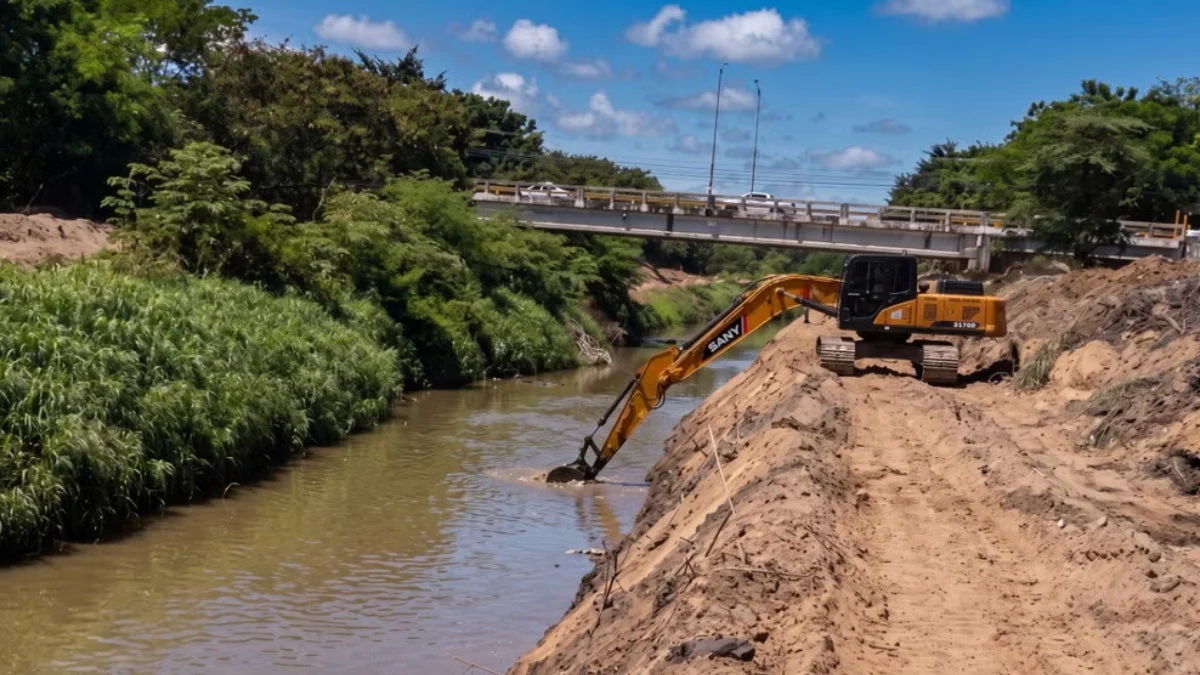
In a groundbreaking effort to bolster financial resilience against the increasing volatility of climate change, the Peruvian financial sector is undergoing a quiet but profound transformation. Under the technical and financial guidance of the French Development Agency (AFD), the Federation of Peruvian Municipal Savings and Credit Banks (FEPCMAC) is spearheading the development of "parametric insurance." This innovative model promises to redefine how the country’s most vulnerable populations—particularly smallholder farmers and micro-entrepreneurs—recover from natural disasters.
By decoupling indemnity payments from the lengthy, traditional process of manual damage assessment, these products aim to trigger automatic payouts the moment specific weather or seismic thresholds are breached. This shift is not merely a product upgrade; it is a fundamental reimagining of financial safety nets in an era defined by the unpredictable impacts of phenomena like El Niño.
The Core Mechanism: What is Parametric Insurance?
Traditional insurance models operate on a reactive principle: a disaster occurs, a claim is filed, an insurance adjuster visits the site to verify the extent of the damage, and—following a period of bureaucratic processing—the indemnity is paid. In the aftermath of a catastrophic event, this process can take months, leaving families and businesses in a state of financial paralysis.
Parametric insurance eliminates this delay. Under this framework, the insurance contract is linked to an independent, objective "trigger" or "index"—such as wind speed, rainfall levels, seismic magnitude, or temperature fluctuations. If these metrics surpass a predetermined threshold in a specific geographical area, the payout is triggered automatically.
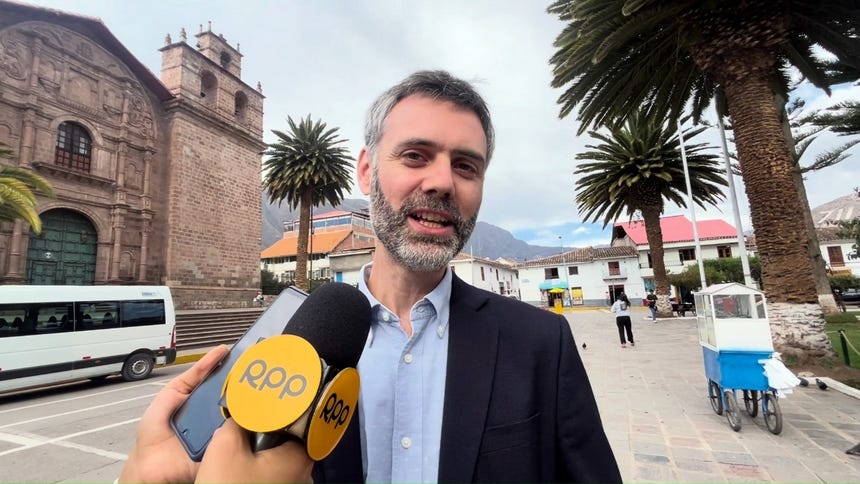
"The objective is speed," explains Simon Ferriz, Project Manager for the AFD in Peru. "Many clients of municipal banks operate on thin margins and possess limited savings. They cannot afford to wait months for a payout while their crops wither or their shops remain shuttered. By using reliable, independent data sources to trigger coverage, we ensure that liquidity reaches the victim when it is needed most."
Chronology of an Evolving Financial Landscape
The current push for parametric insurance follows a strategic alignment between regulatory bodies, international cooperation agencies, and local financial institutions:
- Pre-2024: Municipal banks and the FEPCMAC identify a critical gap in coverage for rural clients, who are disproportionately affected by extreme weather events but lack access to affordable, quick-response insurance products.
- September 2024: The Superintendency of Banking, Insurance, and Private Pension Funds (SBS) marks a milestone by officially approving the Regulation of Parametric Insurance. This legal framework provides the necessary guidelines for the design, commercialization, and operation of these products within the Peruvian market.
- Late 2024 – Present: The AFD enters into a collaborative partnership with the FEPCMAC. The French agency commits non-reimbursable funds to finance technical studies that will define the specific parameters, data sources, and thresholds required to make these products commercially viable and actuarially sound.
- Future Outlook: While currently in the design and pilot phase, the project aims to integrate these insurance products into the portfolio of municipal banks across the country, starting with regions most susceptible to climate-induced catastrophes.
The Role of the French Development Agency (AFD)
The AFD’s involvement goes beyond mere funding. Xavier Mesnard, the AFD Country Director for Peru, emphasizes that the agency is providing the "baseline and international best practices" necessary to build a robust ecosystem.
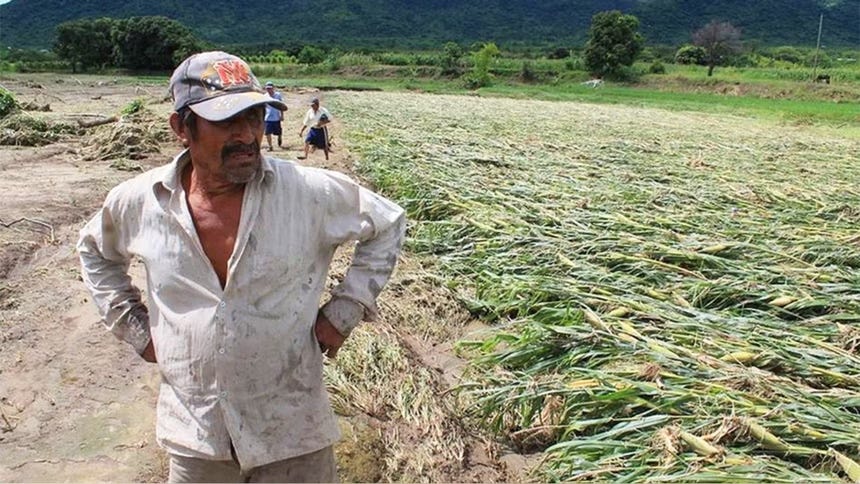
"We are helping the sector move from the theoretical to the practical," Mesnard stated. "Because climate risks in the Andes, the Amazon, and the coastal regions are vastly different, we cannot apply a ‘one-size-fits-all’ model. Our studies are focused on ensuring that the parameters—whether they be rainfall levels for the coast or frost thresholds for the highlands—are scientifically grounded and adapted to the specific economic realities of each region."
By leveraging global experience from other emerging markets, the AFD is ensuring that the Peruvian initiative is built upon established risk-modeling frameworks, thereby increasing investor confidence and reducing the potential for systemic financial failure.
Implications for the Agricultural Sector
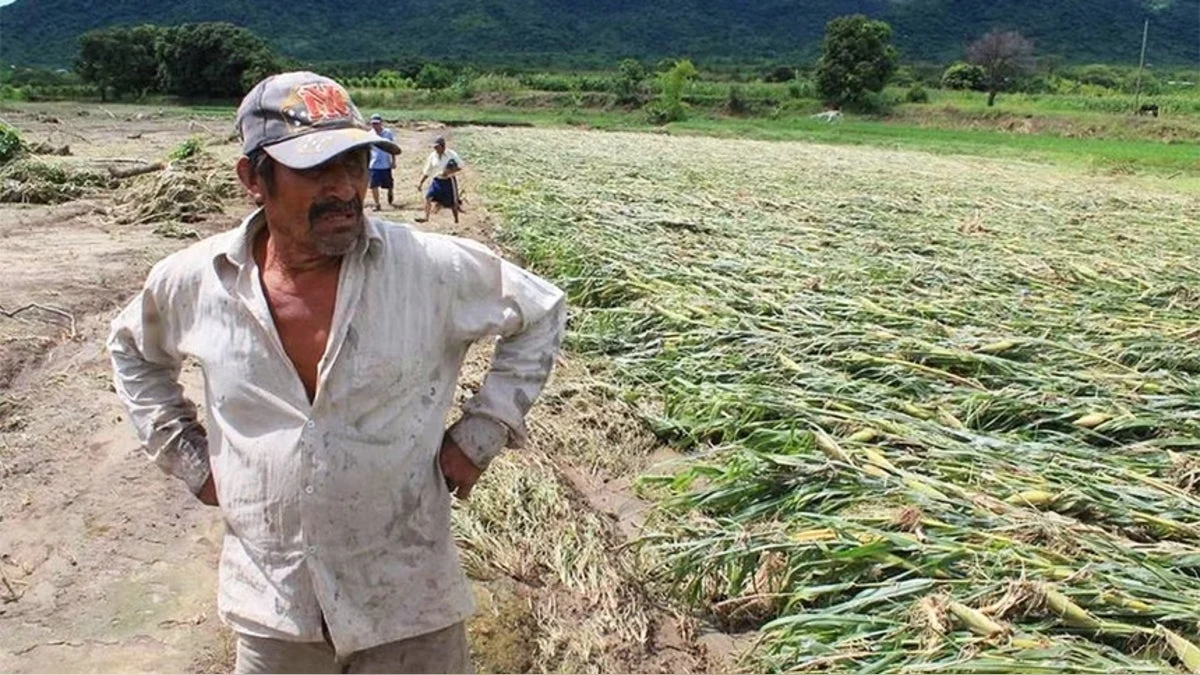
For the Peruvian agricultural sector, this initiative is nothing short of a lifeline. Rural farmers, who often lack formal land titles or traditional collateral, have long been marginalized by the formal insurance market. Climate phenomena like El Niño can wipe out an entire season’s harvest in a matter of weeks, leading to widespread debt defaults and poverty.
Luis Lezama, regional chief of Caja Huancayo in Cusco, highlights the high level of interest from the agricultural sector. "The work is already underway," Lezama reported. "Our branch managers and regional offices are conducting ongoing assessments to gauge the specific needs of our clients. We see a clear, albeit currently small, pipeline of demand that we are committed to scaling."
By integrating insurance premiums into the cost of credit or offering them as standalone micro-products, municipal banks can protect their own loan portfolios while simultaneously providing their clients with the financial stability to invest in climate-resilient farming techniques.
Addressing the Challenges: Data and Trust
Despite the promise of parametric insurance, the model is not without its hurdles. The success of these products hinges entirely on the quality and independence of the data used as triggers.
- Data Reliability: The indices used—whether satellite imagery, weather station data, or seismic sensors—must be beyond reproach. If the data source is perceived as biased or inaccurate, trust in the product will evaporate.
- Actuarial Complexity: Setting the "thresholds" is a delicate balancing act. If the threshold is too high, the insurance never pays out when it is needed. If it is too low, the premiums become unaffordable for the target market.
- Regulatory Oversight: The SBS regulation is a strong foundation, but as the market matures, the regulator will need to maintain a vigilant watch to ensure that insurance companies remain solvent and that policyholders are treated fairly.
A Broader Financial Strategy
The adoption of parametric insurance is part of a larger trend of "climate-smart" banking in Peru. As the country faces increasing pressure from global climate change, the financial sector is realizing that it must act as a buffer.
Beyond the agricultural sector, these products have the potential to protect urban micro-entrepreneurs against earthquakes or tsunamis. For a small business owner, the rapid infusion of cash following a disaster can be the difference between permanent closure and a successful recovery.
Furthermore, the collaboration between the AFD and the FEPCMAC serves as a model for how international development cooperation should function: by providing the "seed money" for institutional capacity-building rather than just providing temporary subsidies. By funding the technical studies now, the AFD is enabling the creation of a permanent, self-sustaining market for disaster risk management.
Conclusion: Looking Ahead
As the project moves out of the design phase, the next critical step will be the pilot deployment of these insurance products. The market will be watching closely to see if the parameters selected are effective in capturing the reality of climate disasters on the ground.
If successful, this initiative could transform Peru into a regional leader in climate-risk finance. By bridging the gap between sophisticated financial modeling and the daily realities of the most vulnerable, the partnership between the AFD and the Peruvian municipal banks is crafting a more resilient future. The goal is no longer just to "survive" the next El Niño or seismic event, but to have the financial infrastructure in place to ensure that the recovery begins the moment the disaster ends.
In the words of the project stakeholders, this is not just about insurance; it is about providing the security that allows progress to continue, even in the face of nature’s most unpredictable forces. As the studies conclude and implementation begins, the financial sector is signaling that in the face of climate uncertainty, there is no room for the delays of the past. The future of protection in Peru is automatic, data-driven, and, above all, immediate.