Introduction: A New Era for Andean Healthcare
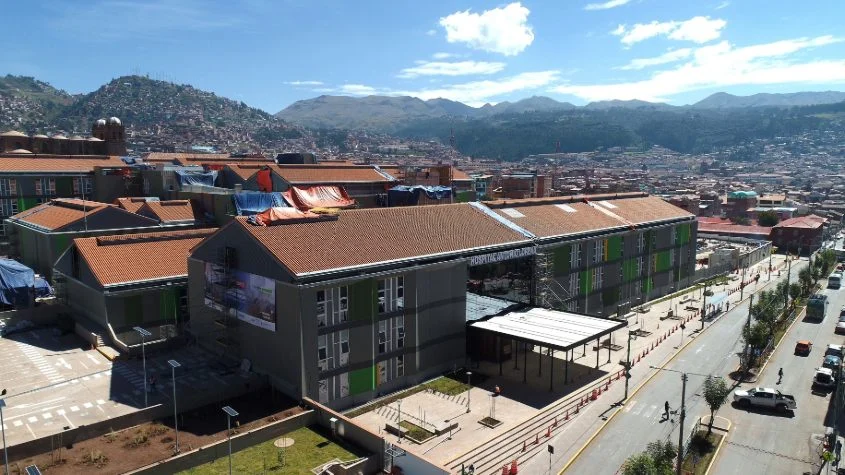
In a landmark development for the public health sector of southern Peru, the Antonio Lorena Hospital in Cusco has entered its definitive final stage before full operational capacity. This ambitious infrastructure project, long awaited by the Cusco population, is officially scheduled to commence operations in November of this year. The facility represents a massive leap forward in medical capacity, infrastructure, and specialized care for a region that has historically struggled with high demand and limited hospital resources.
The transition process, orchestrated by the Regional Government of Cusco in collaboration with the National Program for Health Investment (PRONIS), marks the culmination of years of complex construction, planning, and international oversight. With the finish line in sight, stakeholders are now finalizing the critical logistics required to transition from a construction site to a fully functional, state-of-the-art medical facility.
The Core Infrastructure: Powering Modern Medicine
The Antonio Lorena Hospital is not merely a replacement for older facilities; it is a modern medical complex designed to serve as a hub for specialized medicine. With a total capacity of 523 beds, the hospital is poised to become the largest and most sophisticated medical facility in the region.
Key Facilities Include:
- Inpatient Wards: 523 beds distributed across various departments to manage high patient volume and long-term recovery.
- Intensive Care Units (ICU): High-dependency units equipped with advanced life-support systems to handle critical emergencies and complex post-surgical care.
- Advanced Emergency Department: A modern trauma and triage center designed to handle high-velocity admissions and urgent life-saving interventions.
- Diagnostic Centers: Integrated laboratories and imaging departments, including digital X-ray, MRI, and CT scanning capabilities, ensuring rapid diagnosis for regional patients who previously had to travel to Lima for specialized testing.
This infrastructure is designed to integrate seamlessly into the regional healthcare network, reducing the burden on smaller peripheral clinics and providing a centralized location for specialized surgeries and treatments.
A Detailed Chronology of the Final Phase
The path to this moment has been marked by rigorous oversight, involving a multi-party coalition that includes the Regional Government of Cusco, PRONIS, the French Project Management Office (PMO), and the construction contractor, SRT.

The Timeline to Operation:
- October 11, 2026: The contractor officially initiates the formal request for the reception of the hospital’s infrastructure and its comprehensive medical equipment suite.
- October 11 – November 8, 2026: A critical 28-day window has been established. During this period, PRONIS and the Regional Government of Cusco will conduct a exhaustive audit and inventory of all assets, technical documentation, and equipment functionality.
- November 8, 2026: Deadline for the completion of the asset transfer and patrimonial verification.
- November 11, 2026: The scheduled date for the official launch and commencement of operations, allowing the facility to begin receiving patients.
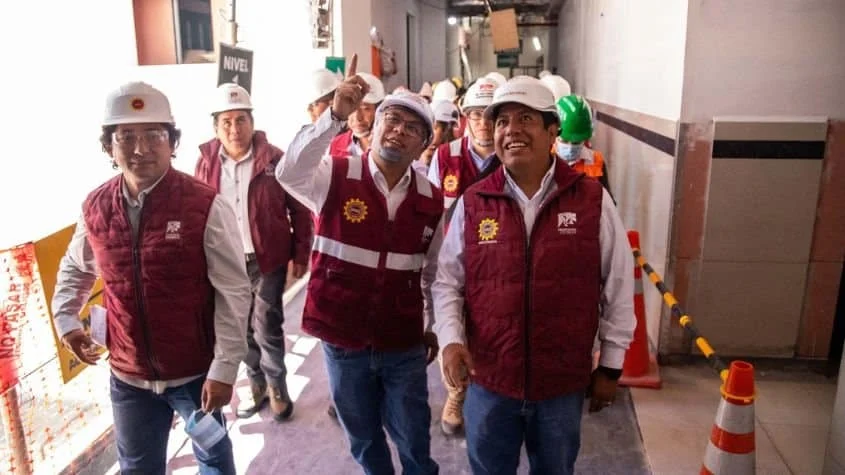
This timeline was solidified during a high-level coordination meeting held recently in Cusco, where Governor Werner Salcedo Álvarez met with key stakeholders to identify "critical routes"—the specific logistical hurdles that could delay the transition if not addressed immediately.
Supporting Data and Strategic Importance
The decision to prioritize the Antonio Lorena Hospital is rooted in data-driven demand. For decades, the Cusco region has experienced a mismatch between population growth and the availability of hospital beds. By providing over 500 beds, the new facility addresses a significant supply-side deficit.
Strengthening Regional Health
The hospital serves as a key pillar in the decentralization of health services in Peru. By consolidating specialized services under one roof, the project aims to:
- Decrease Referral Rates: Currently, many patients in Cusco must travel to Lima for complex procedures. The Antonio Lorena facility aims to perform these operations locally, significantly reducing the financial and emotional burden on families.
- Medical Specialization: The facility will attract specialized medical personnel to the region, creating a new hub for medical excellence in the Andes.
- Operational Resilience: The inclusion of advanced diagnostic centers ensures that the hospital can function as an autonomous medical unit, capable of handling everything from routine check-ups to complex elective surgeries.
Official Responses and Stakeholder Commitment
During the announcement, David Miranda Herrera, the General Coordinator of PRONIS, emphasized the complexity of the transfer process. He noted that the cooperation between the international PMO (the French experts providing oversight) and local authorities has been essential in maintaining standards.
"Se trata de una infraestructura de gran capacidad que permitirá fortalecer los servicios de salud y ampliar la atención especializada para la población del Cusco," stated Miranda Herrera. He underscored that the process is not just about the building, but about the "transference of knowledge and operational protocols" that ensure the hospital remains sustainable for years to come.

Governor Werner Salcedo Álvarez has reiterated his commitment to ensuring the facility hits the ground running. His administration is currently working with the National Government to secure the necessary budgetary support for the ongoing operational and maintenance costs. According to the current financial framework, the hospital will be supported by a robust budget allocation that covers human resources, specialized staff training, and the continuous supply of pharmaceutical and medical materials.
Challenges and Implications
The transition of such a massive project is rarely without challenges. The primary obstacle remains the synchronization of the "reception phase." With 28 days to verify every piece of equipment—from complex surgical robots to basic patient monitoring systems—the technical teams are under immense pressure to ensure that no equipment is missing or faulty.
The "Patrimonial" Audit
A critical aspect of the upcoming weeks is the "revisión del patrimonio." This involves a granular check of every asset. Given that the hospital has been under construction for an extended period, ensuring that all equipment meets current international safety standards is paramount. The involvement of the French PMO has provided a layer of international credibility to this verification process, ensuring that the hospital meets European standards of safety and hygiene.
Implications for the Future
If the November launch is successful, the Antonio Lorena Hospital will serve as a model for future regional hospital projects in Peru. It demonstrates that with the right combination of international expertise (PMO) and local government will, long-delayed infrastructure projects can eventually be brought to completion.
Furthermore, the hospital is expected to have a positive economic impact on the surrounding areas. The influx of hospital staff, patients, and visitors will necessitate the growth of local services, pharmacies, and supporting businesses, effectively turning the hospital vicinity into a new commercial and social node in Cusco.

Conclusion
The upcoming opening of the Antonio Lorena Hospital is a testament to the resilience of the Cusco healthcare sector. As the final technical reviews conclude and the date of November 11 approaches, the focus is shifting from "construction" to "patient care."
For the people of Cusco, this hospital represents more than just a building; it represents the promise of a more equitable healthcare system. With 523 beds and state-of-the-art diagnostic capabilities, the Antonio Lorena Hospital is poised to be the cornerstone of medical health in the Andes for the next several decades. As the final pieces of the puzzle fall into place, the eyes of the nation remain fixed on Cusco, waiting to see the doors of this long-awaited facility finally swing open.