Executive Summary: A Strategic Commitment to Regional Development
In a significant move to address the housing deficit in northern Chile, the Ministry of Housing and Urbanism (Minvu) has officially confirmed the continuity of the ambitious "More Housing, Better Region 2023-2028" program. This initiative, designed to fundamentally reshape the urban landscape of the Antofagasta region, aims to deliver 8,700 high-quality housing units to families who have long awaited stable living conditions.
The announcement, delivered by the Minister of Housing and Urbanism, Iván Poduje, serves to quell recent uncertainties regarding funding structures. By upholding the agreed-upon 80/20 financial split between the national government and the Regional Government (GORE) of Antofagasta, the ministry ensures that the momentum of ongoing construction projects will not be stalled by fiscal friction.
Chronology of the Agreement and Recent Developments
The "More Housing, Better Region" initiative was conceived as a multi-year effort to tackle the unique challenges posed by the geography and demographic growth of the Antofagasta region. Since its inception, the program has been touted as a model of decentralized cooperation between state and regional entities.
- 2023: Launch of the "More Housing, Better Region" program, setting a target of 8,700 homes to be developed over a five-year window.
- Early 2024: Initial execution phases begin across various municipalities, with significant progress noted in both design and early-stage construction.
- Mid-2025: Discrepancies emerge in project financial reports. Specifically, the "Altos La Chimba" project experiences a budgetary shift where the regional contribution exceeds the agreed-upon 20% cap.
- September 2026: Minister Iván Poduje formalizes the ministry’s stance, confirming the strict adherence to the 80/20 funding model and announcing internal audits within the Housing and Urbanization Service (Serviu) to rectify administrative irregularities.
The Financial Framework: Maintaining the 80/20 Balance
At the heart of the current discourse is the financial architecture of the program. To ensure sustainability, the Ministry of Housing established a rigorous cost-sharing agreement: the central government covers 80% of the project costs, while the Antofagasta Regional Government contributes the remaining 20%.
Minister Poduje emphasized that the integrity of this model is non-negotiable. "Our objective is to maintain the established distribution of resources," stated the Minister. This policy is designed to protect the national budget while ensuring that regional authorities maintain a "skin in the game" for projects developed within their jurisdiction.

The tension arose when certain high-profile projects, most notably the Altos La Chimba development, saw regional contributions climb beyond the 20% threshold. According to Ministry officials, this imbalance was not merely a fiscal error but a systemic issue that threatened to deplete the central government’s resources prematurely, potentially jeopardizing the feasibility of future phases of the program. By recalibrating these projects, the Ministry aims to restore fiscal equilibrium and ensure that the total pool of 8,700 homes remains fully funded through the end of the 2028 cycle.
Administrative Accountability and Internal Audits
The Ministry of Housing has not taken the budgetary drift lightly. In response to the irregularities discovered in the allocation of regional funds, Minvu has announced that the Servicio de Vivienda y Urbanización (Serviu) will undergo comprehensive internal investigations.
The objective of these inquiries is twofold:
- Identify Root Causes: To determine whether the excess regional funding was the result of administrative negligence, poor project management, or external pressure.
- Establish Protocols: To implement stricter oversight mechanisms that prevent future project cost-overruns from being shifted onto regional coffers without centralized review.
This move signals a shift toward greater transparency and stricter fiscal discipline within the Ministry, ensuring that taxpayer funds are utilized with maximum efficiency and strict adherence to initial legal agreements.
Supporting Data: Impact on the Antofagasta Region
The significance of this program cannot be overstated. Antofagasta has historically struggled with a housing deficit exacerbated by rapid industrial growth and a high influx of workers.

- Total Targets: 8,700 units.
- Geographic Scope: Projects are currently being developed across key hubs, with significant activity in the capital and upcoming developments in Mejillones.
- Economic Impact: The construction sector in Antofagasta is heavily reliant on these public investments. By securing the funding, the Ministry is effectively protecting thousands of jobs and supporting the local supply chain for construction materials and engineering services.
The decision to proceed with these projects is a major win for local housing committees. Many of the families targeted for these homes have been living in precarious conditions, waiting for the promise of "More Housing, Better Region" to become a physical reality.
Official Responses and Stakeholder Perspectives
While the Ministry maintains a firm stance on financial discipline, the regional government has expressed its commitment to monitoring the progress of these projects closely. Regional authorities have acknowledged the need for the audit, viewing it as a necessary step to protect the program’s long-term viability.
"The continuity of these works is our priority," a spokesperson for the Regional Government stated. "We will maintain our focus on the 20% contribution, ensuring that every peso invested results in a high-quality home for our citizens."
Industry experts suggest that the Ministry’s intervention was timely. By addressing the budgetary discrepancy now, the government prevents a "stop-start" cycle that often leads to increased costs and project abandonment.
Implications for Future Housing Policy
The lessons learned in the Antofagasta experience are likely to influence future housing policies across Chile. The "More Housing, Better Region" program serves as a pilot for how decentralized funding can be successfully managed.

Implications include:
- Centralized Oversight: Increased reliance on digital tracking of project budgets to ensure regional contributions do not exceed predefined thresholds.
- Standardized Contracting: Stricter clauses in future regional-national agreements to preemptively address potential funding imbalances.
- Institutional Reform: The internal audit of Serviu is expected to lead to a restructuring of the department’s oversight board, potentially involving independent third-party auditors in future large-scale projects.
Conclusion: A Path Toward Urban Development
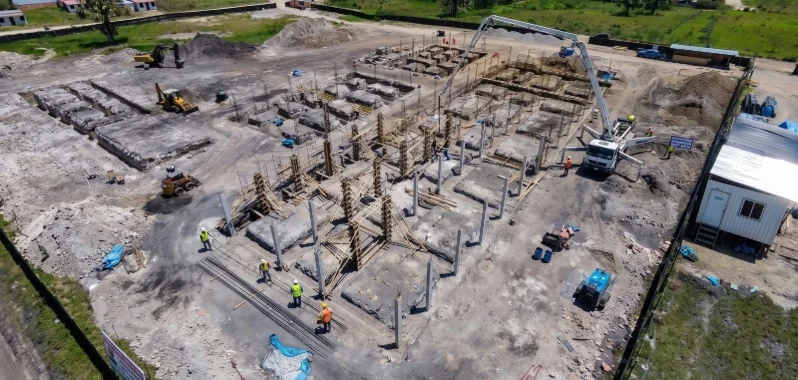
As construction continues in Mejillones and other key sectors of the region, the commitment from the Ministry of Housing and Urbanism provides a much-needed sense of security for the residents of Antofagasta.
By balancing fiscal responsibility with the urgent social need for housing, the government is demonstrating a pragmatic approach to governance. While the internal investigation into Serviu indicates a period of introspection and reform, the primary focus remains on the delivery of 8,700 homes.
For the families of Antofagasta, the message is clear: the road to a better home is being paved with clear, sustainable, and transparent financial commitments. As the 2028 deadline approaches, the progress of this program will remain a critical barometer for the success of public housing policy in northern Chile. The integration of regional expertise and central government resources, once properly managed, remains the most viable pathway to overcoming the nation’s housing challenges.