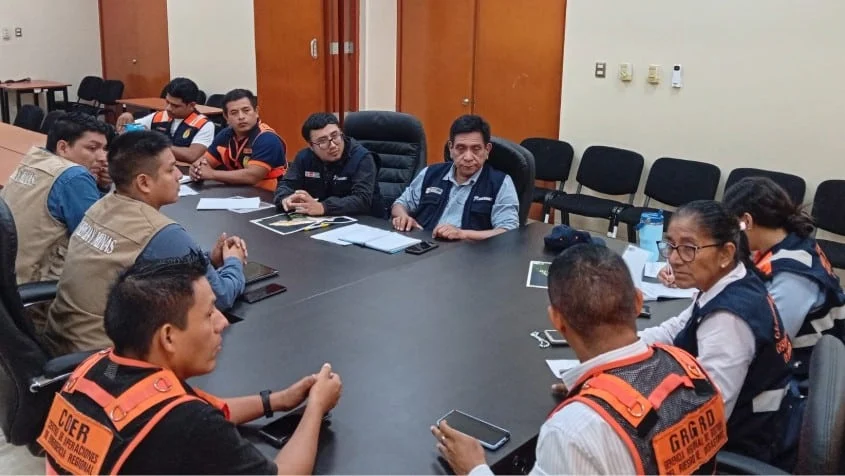
In a strategic move to solidify its position as a regional hub for sustainable development, the Peruvian Agency for Private Investment Promotion (ProInversión) has launched an aggressive campaign to attract Brazilian capital and technological expertise. During a high-level summit held with the Brazil-Peru Chamber of Commerce and a specialized delegation of energy executives, ProInversión unveiled a robust portfolio of projects valued at over US$ 7 billion. This initiative seeks to bridge the gap between Peru’s vast natural energy potential and the advanced technical prowess of Brazil’s energy sector.
Main Facts: A Strategic Alignment of Interests
The meeting served as a vital platform for showcasing the intersection of Peru’s infrastructure needs and Brazil’s success in renewable energy. ProInversión outlined a clear vision for the future of the nation’s power grid, focusing on three core pillars: generation, transmission, and innovation.
The proposal presented to the Brazilian delegation highlights a series of "Project Assets" and "Public-Private Partnerships" (PPPs) designed to mitigate risk while ensuring long-term profitability for international stakeholders. By leveraging Brazil’s deep-rooted experience in solar, wind, and hydroelectric power, Peru aims to modernize its energy matrix, which is currently undergoing a critical transition toward decarbonization and increased reliability.
The core of the offering includes:
- Transmission Infrastructure: The continued expansion of the national power grid, building upon the 55 transmission lines already successfully adjudicated by the agency.
- Renewable Energy Generation: Large-scale solar and wind projects designed to harness Peru’s diverse geography.
- Irrigation and Energy Synergy: Integrated mega-projects that combine agricultural development with hydroelectric power generation, such as the Majes Siguas II and Chavimochic III initiatives.
Chronology: The Path to Integration
The relationship between Peruvian energy planners and Brazilian developers is not new, but it is entering a more sophisticated phase.

- Initial Engagement: Over the past decade, bilateral discussions focused primarily on regional integration and cross-border energy trade.
- The 2025-2034 Pivot: With the launch of the National Transmission Plan (2025-2034), the Peruvian government recognized that its domestic grid required massive capital injections to support industrial growth.
- The Recent Summit: In August 2026, the formal presentation to the Brazilian business delegation marked the transition from policy discussion to active project solicitation.
- Future Outlook: The coming 24 months are projected to be the "execution phase," where technical feasibility studies and bidding processes for the $7 billion portfolio will be finalized.
Supporting Data: The Multi-Billion Dollar Opportunity
The scale of the investment opportunities on the table is unprecedented for the current administration. The portfolio of seven key projects represents a diversified mix of infrastructure that promises to stabilize Peru’s electrical reliability while fueling regional economic development.
The Breakdown of the $7 Billion Portfolio:
- Transmission Groups 2 & 3: These projects are critical for the stability of the National Interconnected Electric System (SEIN). They are designed to transport power from generation hubs to industrial centers, reducing bottleneck risks.
- Central Fotovoltaica Las Joyas: A flagship project intended to capitalize on the high solar irradiance in southern Peru, serving as a template for future utility-scale solar farms.
- Irrigation Megaprojects (Olmos, Chavimochic III, Chinecas, Majes Siguas II): These are perhaps the most ambitious components of the portfolio. By combining irrigation systems with energy generation, these projects offer a dual revenue stream that is highly attractive to private equity and infrastructure funds.
ProInversión’s track record adds a layer of credibility to these figures. By successfully adjudicating 55 transmission lines in the past, the agency has demonstrated its capacity to navigate the complex regulatory and environmental landscapes that often deter foreign investors in Latin American emerging markets.
Official Responses: The Rationale Behind the Partnership
During the summit, representatives from ProInversión emphasized that the partnership with Brazil is built on "technological synergy."
"Brazil represents the gold standard in South America for renewable energy integration," a spokesperson for the agency stated. "We are not just looking for capital; we are looking for the transfer of best practices, specialized engineering knowledge, and innovation in energy storage and grid management that our Brazilian partners have perfected over decades."
The Brazilian delegation echoed these sentiments, noting that Peruvian market conditions—characterized by a stable regulatory framework for energy investments and a growing demand for industrial power—align perfectly with the expansion strategies of many large Brazilian firms looking to diversify their portfolios outside of their domestic market.

Implications: A New Era for the Energy Grid
The implications of this collaboration are far-reaching. For Peru, the successful implementation of these projects means:
1. Energy Security and Reliability
By upgrading the transmission network, Peru will reduce the frequency of brownouts and load-shedding events, providing the consistent power supply required for the mining, manufacturing, and agricultural sectors.
2. Economic Diversification
The inclusion of major irrigation projects signifies a shift toward "agri-energy" infrastructure. By turning arid coastal lands into productive agricultural zones through water management and hydroelectric power, Peru is positioning itself to be a global exporter of high-value crops while simultaneously maintaining a sustainable energy supply.
3. Regional Leadership
If this investment drive succeeds, Peru could emerge as a regional leader in the renewable energy transition. The combination of solar, wind, and hydro, backed by a modern, high-voltage transmission grid, would allow Peru to potentially export excess energy to neighboring countries, turning the nation into a net energy exporter by the next decade.
4. Regulatory Challenges and Environmental Oversight
Despite the optimism, the project faces the typical challenges of large-scale infrastructure: environmental impact assessments, social licensing with local communities, and the complexities of land acquisition. ProInversión has stated that it is committed to a transparent bidding process that adheres to international environmental, social, and governance (ESG) standards, ensuring that these projects contribute to the long-term well-being of the regions in which they are located.

Conclusion: A Strategic Bridge
The dialogue between ProInversión and the Brazilian business sector is a testament to the growing trend of intra-regional investment in Latin America. By opening its doors to Brazilian expertise, Peru is not merely soliciting funds; it is inviting a partnership that could reshape its economic landscape.
As the 2025-2034 Transmission Plan moves forward and the tenders for projects like Chavimochic and Las Joyas are issued, the eyes of the international energy market will be on Lima. If the execution matches the ambition, the $7 billion injection will serve as the cornerstone for a modern, electrified, and sustainable Peruvian economy, setting a new benchmark for how emerging markets can leverage international partnerships to achieve national development goals.
The path forward requires meticulous planning and a sustained commitment to legal certainty, but with the foundation laid by these recent negotiations, the trajectory for Peru’s energy sector appears both promising and profoundly transformative.