Executive Summary: A Targeted Response to Economic Pressures
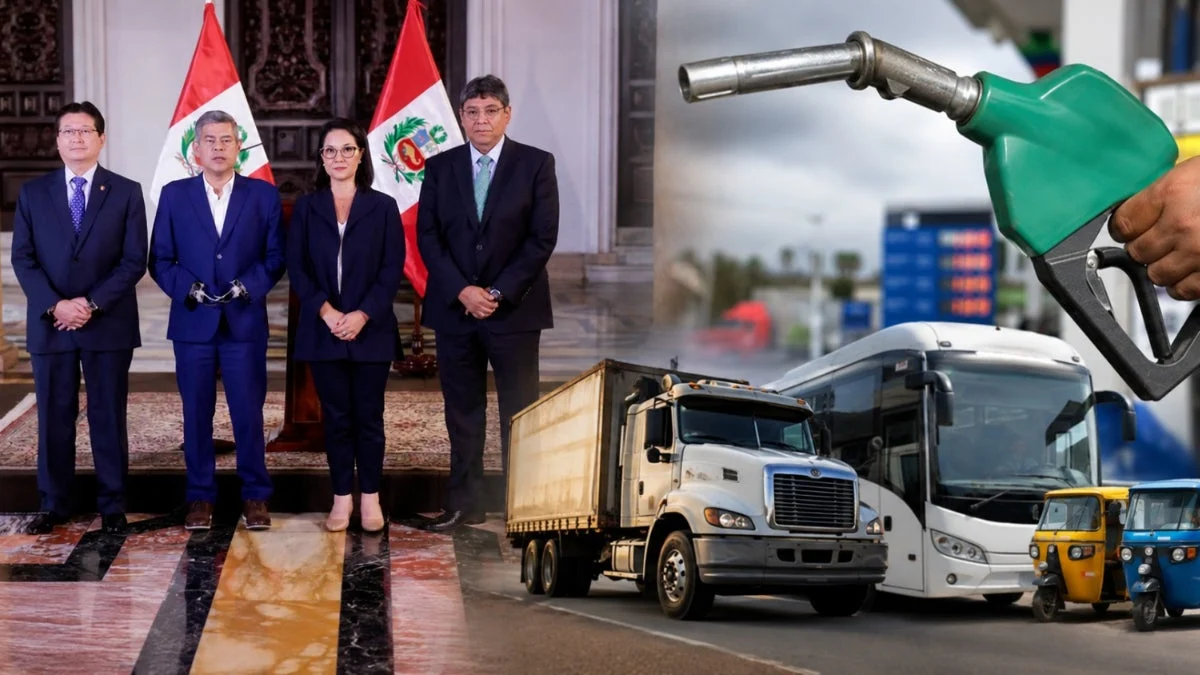
In an effort to shield the national economy from the volatile international energy market, the administration of Keiko Fujimori has announced the implementation of a strategic, three-month subsidy for diesel fuel. This intervention, slated to take effect on Saturday, August 15, is designed specifically to support vulnerable segments of the transportation sector, including passenger transport, heavy cargo logistics, mototaxi operators, and riverine transportation vessels known locally as "peque-peques."
The subsidy, which ranges between 15% and 20% of the purchase price, represents a localized approach to fiscal policy. By avoiding broad, non-discriminatory price stabilization mechanisms, the government aims to prevent the misuse of public funds while providing essential relief to those most heavily impacted by the recent, drastic spikes in fuel costs.
The Genesis of the Crisis: Global Conflict and Energy Costs
The impetus for this measure is rooted in a severe disruption of global supply chains. The ongoing geopolitical instability in the Middle East has significantly hampered the flow of crude oil, particularly through critical chokepoints like the Strait of Hormuz.
For the Peruvian economy, the consequences have been direct and punishing. Since the onset of these tensions, the price of diesel B5 UV has experienced an unprecedented surge of over 103%. According to data analyzed by industry experts and official reports from Petroperú and Repsol, the wholesale price of diesel climbed from S/12.14 per gallon on February 24 to a staggering S/24.66 by August 11.
Minister of Economy Elmer Cuba noted that the international price of oil has skyrocketed from approximately US$60 per barrel to over US$100, representing a nearly 60% increase in global market costs. This external shock has created a "cost-push" inflationary effect, threatening the sustainability of transportation businesses and, consequently, the affordability of essential goods and services for the average citizen.
Chronology and Implementation Timeline
The rollout of this subsidy is staggered, reflecting the administrative complexity of reaching both formal and informal sectors of the transportation industry.
Phase 1: Formal Logistics and Passenger Transport (August 15)
The initial phase of the policy will be officially gazetted on Saturday, August 15. This stage focuses on formal passenger transport companies and heavy cargo carriers—sectors that are already documented within the Ministry of Transport’s databases. These operators can expect to see the application of the subsidy in their fuel transactions within days of the official decree.
Phase 2: Informal Sector Integration (Three-Week Delay)
A significant aspect of this policy is the inclusion of mototaxistas and operators of "peque-peques" in the Amazonian regions. Because these sectors often operate outside of formal registration systems, the government has announced a mandatory registration period.
Minister Cuba emphasized that the government is launching a new technological platform to facilitate the rapid enrollment of these operators. Once registered, these beneficiaries will receive the subsidy either directly applied to their fuel purchases or through direct deposits via the Banco de la Nación. The Minister acknowledged that this process would take approximately three weeks to complete, citing the logistical challenges inherent in reaching remote jungle communities.
Official Policy Rationale: Why a Targeted Approach?
During a press conference, President Keiko Fujimori underscored the necessity of the government’s intervention. "The price increase is a product of the conflict in the Middle East and the obstacles preventing the global distribution of fuel. As a government, we are obligated to respond when these external factors affect our economy and the quality of life of our compatriots," the President stated.
Avoiding "Generalist" Pitfalls
Minister of Economy Elmer Cuba offered a technical defense of the decision to eschew broad price stabilization funds. He argued that general subsidies often result in "leakage," where large-scale, high-consumption companies—which are more capable of absorbing market shocks—benefit disproportionately from public funds.
By focusing on a targeted model, the administration aims to:
- Preserve Fiscal Health: Limit the total expenditure of the subsidy to only those truly in need.
- Prevent Market Distortions: Ensure that the intervention does not artificially suppress prices for sectors that do not require assistance.
- Enhance Formalization: Use the subsidy as an incentive for unregistered transport operators to enter the formal economy, thereby improving data collection for future public policy initiatives.
Technical Adjustments in Metropolitan Areas
A unique nuance of this policy involves the implementation within Lima Metropolitan and the Callao region. Given the high density of transit and the varying nature of routes, the government will apply a "technical adjustment" to the subsidy based on kilometers traveled.
While the calculation method differs from the rest of the country to account for the specific dynamics of urban traffic, the government has pledged that the total value of the subsidy—both in absolute currency terms and as a percentage—will remain consistent with the national policy. This ensures that urban transport providers are not disadvantaged by the localized calculation models.
Implications for the Peruvian Economy
The introduction of this subsidy is not merely an act of relief; it is a calculated attempt to prevent the "pass-through" of fuel costs into the wider consumer price index (CPI).
Inflationary Pressure
When transport costs rise, the price of food, building materials, and manufactured goods follows suit. By subsidizing diesel, the government hopes to stabilize the "floor" of the economy. If transport providers are not forced to pass the 100%+ increase in diesel costs to the end consumer, the broader inflationary pressure on the Peruvian household can be effectively tempered.
The Challenge of Sustainability
Economic analysts point out that while the three-month duration provides a crucial buffer, the policy’s effectiveness will be tested by the duration of the Middle East conflict. If global oil prices remain at historical highs beyond the 90-day window, the government will face a difficult decision: extend the fiscal expenditure, or allow the market to adjust, potentially sparking renewed protests from transport guilds.
The Digital Transformation of Transport
The requirement for mototaxistas to register on a new digital platform marks a potential shift in how the Peruvian state interacts with the informal sector. If successful, this platform could serve as a model for future welfare and development programs, effectively mapping the "invisible" economy and bringing thousands of independent operators into the formal fold.
Conclusion
The government’s decision to subsidize diesel is a reactive, yet necessary, measure to mitigate the impact of international geopolitical volatility. By balancing the urgent needs of transport operators with the need for fiscal responsibility, the Fujimori administration is attempting to walk a narrow path.
As of August 15, the success of this program will depend largely on the efficiency of the new registration platform and the ability of the Ministry of Economy to execute the subsidy without administrative delays. For the thousands of drivers across the country—from the bustling streets of Lima to the riverways of the Amazon—the coming weeks will be a critical test of the state’s capacity to protect the livelihoods of its most vulnerable citizens in an increasingly unpredictable global climate.