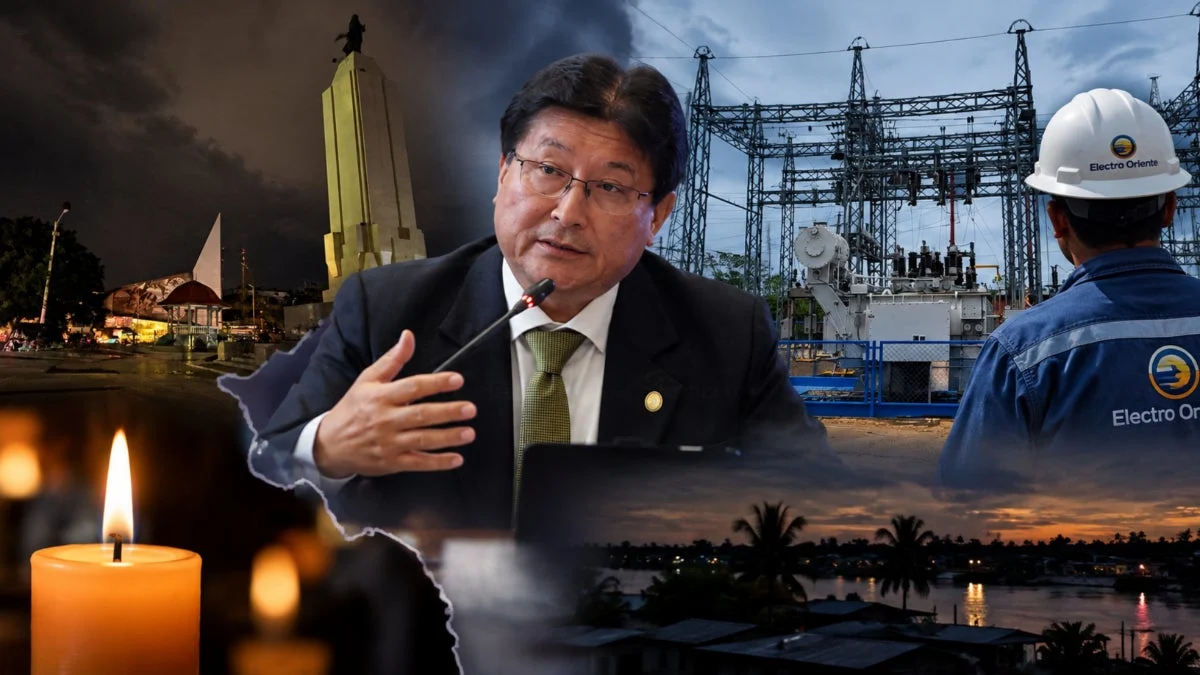
The city of Iquitos, the largest metropolis in the Peruvian Amazon, is currently grappling with a severe energy crisis characterized by chronic blackouts and a systemic failure in power generation. As the region’s primary energy infrastructure falters, the national government has stepped in to announce a radical restructuring of Electro Oriente, the state-owned utility, and is paving the way for the Committee for the Economic Operation of the System (COES) to assume control of the city’s isolated electricity grid.
The Anatomy of an "Electric Island"
Unlike the rest of Peru, which benefits from the reliability of the National Interconnected Electric System (SEIN), Iquitos functions as an "electric island." Geographically isolated by the vast Amazon rainforest and the lack of road infrastructure, the city cannot draw power from the national grid that supplies Lima and other major urban centers.
Every kilowatt consumed in Iquitos must be produced locally. This unique, isolated status makes the city exceptionally vulnerable to technical failures, fuel supply chain disruptions, and insufficient generation capacity. For years, the reliance on aging, localized thermal plants has created a fragile equilibrium that, when broken, plunges the city into darkness.
Chronology of a Managed Decline
The current crisis is not a sudden anomaly but the culmination of years of systemic neglect and poor planning.
- 2013: Genrent is awarded the concession for the "Energy Supply for Iquitos" project. The design was predicated on the assumption that the city would soon be integrated into the national grid. Under this framework, the thermal plant was intended to operate as a "cold reserve"—a standby facility to be used only in emergencies.
- 2017: The Genrent thermal plant begins commercial operation. However, due to the failure to complete the planned interconnection with the SEIN, the facility is forced to transition from a reserve unit to a primary, continuous source of energy for the city.
- 2022: Regulatory shifts and lack of alternative investment solidify the role of Genrent as the backbone of Iquitos’ power supply, operating at maximum capacity to meet growing urban demand.
- June 2025: The Ministry of Energy and Mines (MINEM) extends the "grave deficiency" status of the Iquitos Electrical System until December 2028, formally acknowledging that the city’s power production capacity is insufficient to meet basic needs.
- July 2026: A critical failure in Genrent’s generation system triggers widespread power outages across Iquitos, highlighting the precarious nature of the city’s reliance on a single private operator.
- September 2026: The government announces a major shakeup of Electro Oriente and plans to involve the COES to stabilize the grid.
The Failure of Governance and Infrastructure
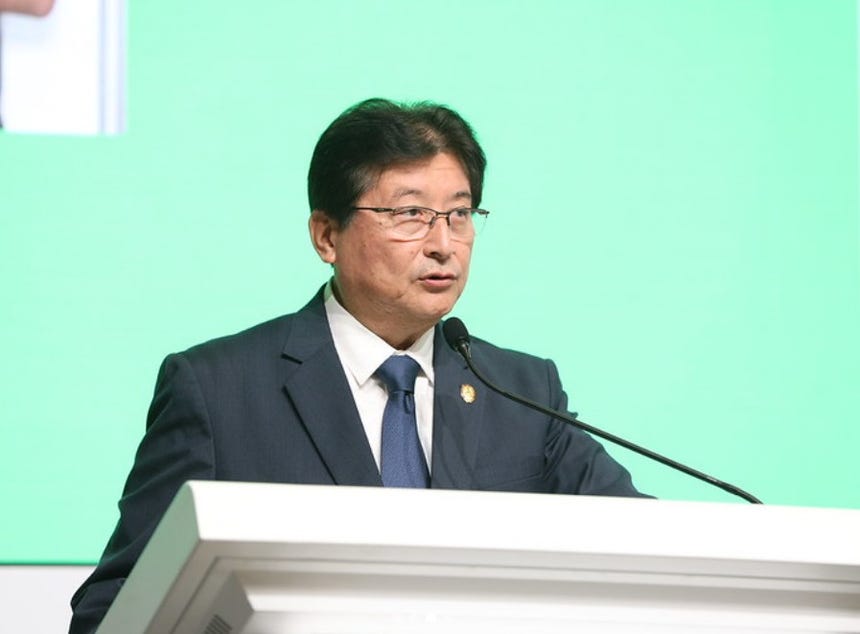
During his recent address regarding the crisis, the Minister of Energy and Mines, Guillermo Shinno, was blunt in his assessment of the state of affairs. He criticized the management of Electro Oriente, noting that since 2024, the state-owned company has failed to secure even a single additional kilowatt of power capacity for the region.
"Electro Oriente has not contracted a single kilowatt of additional supply since 2024," Shinno stated. "We have reached this point because a private company—designed to act as a cold reserve for emergencies—is currently being forced to run its machines at 100% capacity around the clock. The utility did not perform the necessary work to ensure we had sufficient generation headroom."
The reliance on Genrent, which holds a capacity of approximately 80.241 MW, has become a point of contention. Because the infrastructure was never intended for continuous, high-load operation, the equipment is suffering from accelerated wear and tear, leading to the frequent, unpredictable blackouts that have become a hallmark of daily life in Iquitos.
The Role of COES: Ensuring Impartiality
A cornerstone of the government’s new strategy is the introduction of the COES as the manager of the Iquitos grid. Currently, the system is hindered by a conflict of interest: the entity responsible for the grid’s operation is often also a competitor or primary participant in the generation market.
Minister Shinno emphasized that it is fundamentally "inappropriate" for a commercial operator to also act as the arbiter of power dispatch. By bringing in the COES, the government intends to professionalize the management of the isolated system, creating a transparent, merit-based dispatch system that would theoretically encourage new, independent power producers to enter the market.
"We are fast-tracking a Supreme Decree that will task the COES with overseeing the operation of the Iquitos system," Shinno explained. "We cannot allow one of the competitors to be in charge of dispatch if we want to invite more companies to invest in generation."
Implications for the Future: The Road to Interconnection
While the restructuring of Electro Oriente and the entry of the COES are vital steps for immediate stability, experts and government officials agree that they are merely "stop-gap" measures. The only long-term solution for Iquitos is the long-awaited interconnection with the National Interconnected Electric System (SEIN).
For over a decade, plans have existed for a 600-kilometer transmission line connecting Moyobamba to Iquitos. This project would effectively bridge the gap between the isolated Amazonian capital and the rest of the country’s energy network. Previous attempts to tender this project failed, leaving the city in its current state of isolation.
The economic and social implications of the status quo are staggering. Businesses in Iquitos face high operational costs due to the need for private backup generators, while the local population suffers from reduced productivity and the instability of essential services such as water and telecommunications, which are inextricably linked to the electrical grid.
Minister Shinno has signaled a renewed commitment to this ambitious infrastructure project. "We know that in the medium and long term, we must look at how to finally interlink Iquitos with the national system. We are willing to talk to all stakeholders to make this interconnection a reality—the kind of reliable, safe service that the rest of the country enjoys."
Conclusion
The crisis in Iquitos is a stark reminder of the challenges inherent in developing infrastructure in the Amazon. It is a case study in the dangers of delaying critical long-term projects and the risks of relying on "emergency" infrastructure for long-term supply.
As the government moves to reorganize Electro Oriente and bring in the oversight of the COES, the citizens of Iquitos wait in the balance. While these administrative changes may prevent a total collapse of the grid in the short term, the true test of the government’s resolve will be its ability to finally bridge the 600-kilometer gap that keeps Iquitos in the dark. For now, the Amazonian capital remains an electric island, waiting for a connection that has been promised for too long and is needed more than ever.