Executive Summary: Market Overview for September 21
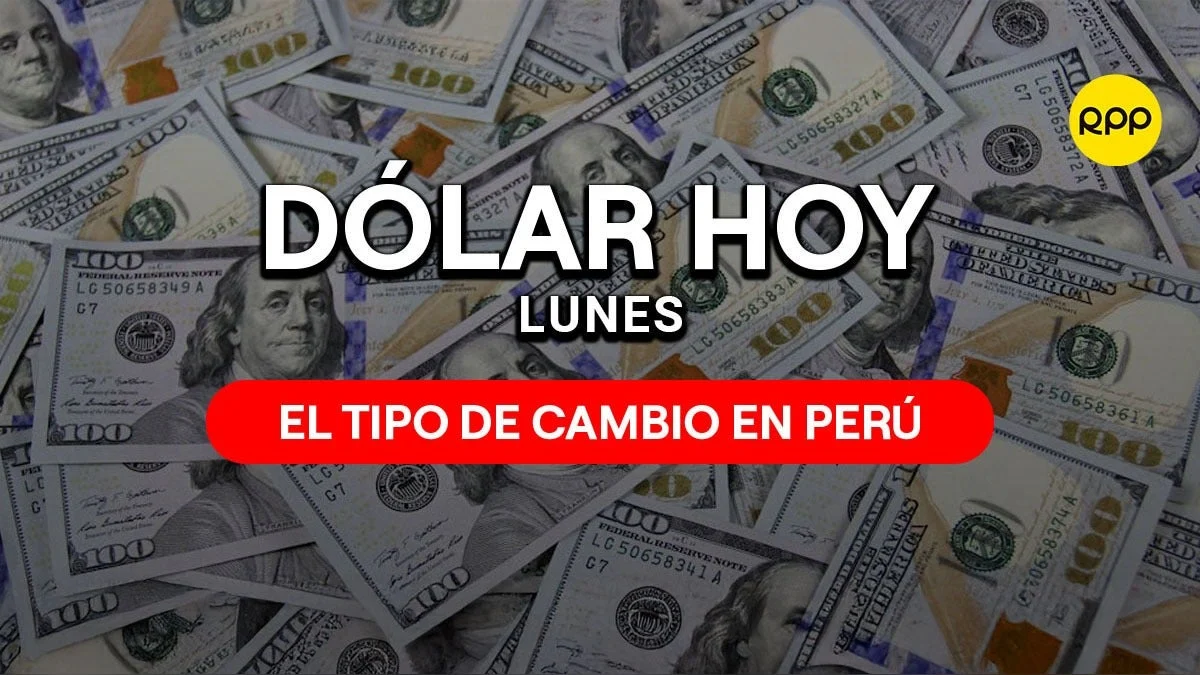
As of Monday, September 21, the Peruvian financial landscape has experienced a notable shift in currency valuation. According to the latest data released by the Central Reserve Bank of Peru (BCRP), the exchange rate for the US dollar closed at S/3.36. This represents a marginal but significant decline of 0.15% against the Peruvian sol.
This movement in the exchange rate is more than a mere statistical fluctuation; it serves as a bellwether for the broader economic health of the nation. In an environment where the sol gains ground against the greenback, the immediate effects are felt across the domestic supply chain, influencing everything from the cost of imported electronics to the price of essential pharmaceuticals. For businesses and individual consumers alike, this appreciation of the local currency provides a welcome respite, albeit one that requires careful navigation in an increasingly volatile global economy.
Chronology of Currency Fluctuations
To understand the current position of the sol, one must look at the recent trajectory of the currency market. Over the preceding weeks, the Peruvian market had been navigating a period of uncertainty, driven by both domestic policy decisions and international trade pressures.
- Early September: The sol experienced modest depreciation as investors sought the safety of the dollar amid regional economic jitters.
- Mid-September: Stabilization efforts by the Central Reserve Bank, combined with positive performance in commodities exports (notably copper and gold), began to provide a floor for the sol.
- September 21: The market opened with renewed confidence. By the close of the trading session, the dollar’s slide to S/3.36 confirmed a trend of strengthening for the local currency, reflecting a growing appetite for sol-denominated assets.
This timeline demonstrates that the current rate is not an isolated incident but the culmination of localized market corrections and external macroeconomic indicators that favor emerging market currencies with strong central bank backing.
Supporting Data: The Mechanics of the Exchange Rate
The exchange rate is determined by the interplay of supply and demand in the foreign exchange market. The BCRP plays a pivotal role in this dynamic, utilizing its substantial international reserves to prevent excessive volatility.
Key Economic Indicators
- Current Exchange Rate: S/3.36
- Daily Variance: -0.15%
- Primary Drivers: Increased commodity prices, foreign direct investment inflows, and the BCRP’s monetary policy stance.
- Inflation Correlation: A stronger sol effectively acts as a disinflationary force. By lowering the cost of imported inputs, businesses face less pressure to pass costs on to the consumer, helping to maintain price stability within the domestic market.
Data suggests that for every 1% fluctuation in the dollar-sol exchange rate, there is a delayed but measurable impact on the Consumer Price Index (CPI). When the dollar drops, sectors heavily dependent on imports—such as technology retail and the chemical industry—typically report lower operating costs, which, in a competitive market, eventually translate into lower shelf prices.
Official Responses and Monetary Strategy
The Central Reserve Bank of Peru (BCRP) maintains a policy of "dirty floating." This means that while the market determines the price of the dollar, the BCRP intervenes when it perceives that volatility could threaten macroeconomic stability.
In response to the current trend, economic analysts have noted that the BCRP is likely comfortable with the current appreciation of the sol. A stronger currency helps keep imported inflation under control, which is essential for meeting the bank’s inflation targets.
Expert Perspectives
Economists point out that the current strength of the sol is supported by a robust trade surplus. Peru’s mining sector continues to be the engine of the economy, and as global demand for raw materials remains steady, the influx of dollars into the local economy creates a natural downward pressure on the exchange rate. However, officials warn against complacency, noting that global events—such as shifts in the US Federal Reserve’s interest rate policy or geopolitical tensions—can reverse these trends rapidly.
Implications for the Peruvian Economy
The implications of a stronger sol are widespread, affecting the financial decisions of households and corporations alike.
For the Consumer
For the average citizen, a lower dollar rate is generally positive.
- Purchasing Power: Imported goods, from smartphones to vehicles, become more affordable.
- Cost of Living: Medications and certain processed foods, which are often indexed to the dollar, see price stabilization or reductions.
- Debt Management: For those holding debts in dollars but earning in soles, the current exchange rate provides immediate relief on monthly repayment burdens.
For Corporations and SMEs
The corporate sector faces a more nuanced reality. While importers benefit from cheaper costs of foreign raw materials, exporters—who receive payments in dollars—see their profit margins shrink when converted into local currency. This necessitates a sophisticated hedging strategy to manage currency risk. Companies that fail to hedge against these fluctuations often find themselves at a disadvantage during periods of rapid currency appreciation.
Understanding the Dollar’s Role in Peru
The US dollar is not merely a foreign currency in Peru; it is a parallel unit of account. This phenomenon, often referred to as "financial dollarization," is a legacy of periods of high inflation in the country’s history.
Why the Dollar Matters
- Financial Contracts: A significant portion of long-term debt, including mortgage loans and corporate bonds, is denominated in dollars.
- Aversion to Risk: During times of political or economic uncertainty, many Peruvians turn to the dollar as a "refuge asset" to preserve their savings.
- International Trade: As a small, open economy, Peru relies on global trade. Since most global commodities are priced in dollars, the exchange rate serves as a direct link between international market prices and local grocery store shelves.
The Importance of Financial Literacy
Given the pervasive nature of the dollar, understanding currency dynamics is no longer optional for the informed Peruvian citizen. Whether one is planning a vacation, investing in a retirement fund, or taking out a small business loan, the exchange rate is a variable that must be calculated into the risk assessment.
When the dollar falls, it is an opportune moment for individuals to reassess their debt structures. Experts suggest that those with dollar-denominated loans should take advantage of lower rates to prepay portions of their debt or look into refinancing options to convert these liabilities into soles, thereby eliminating future currency risk.
Conclusion: Looking Ahead
The dip to S/3.36 on September 21 is a reflection of a resilient, if cautious, economic climate. While the appreciation of the sol offers immediate benefits to consumers and importers, the overarching message from analysts is one of prudent financial management.
Economic stability in Peru remains tethered to global commodity markets and the proactive oversight of the BCRP. As the nation moves forward, the ability of both the government and the private sector to adapt to these currency fluctuations will be the defining factor in sustained growth. For the consumer, staying informed about these shifts is the best defense against economic volatility, ensuring that personal financial goals remain attainable regardless of the fluctuations in the global currency market.
Ultimately, the dollar-sol relationship serves as a constant reminder of the interconnected nature of the modern economy. By monitoring these trends, Peruvians can better position themselves to thrive, turning macroeconomic data into personal financial success.