Executive Summary: A Calculated Move in Puno
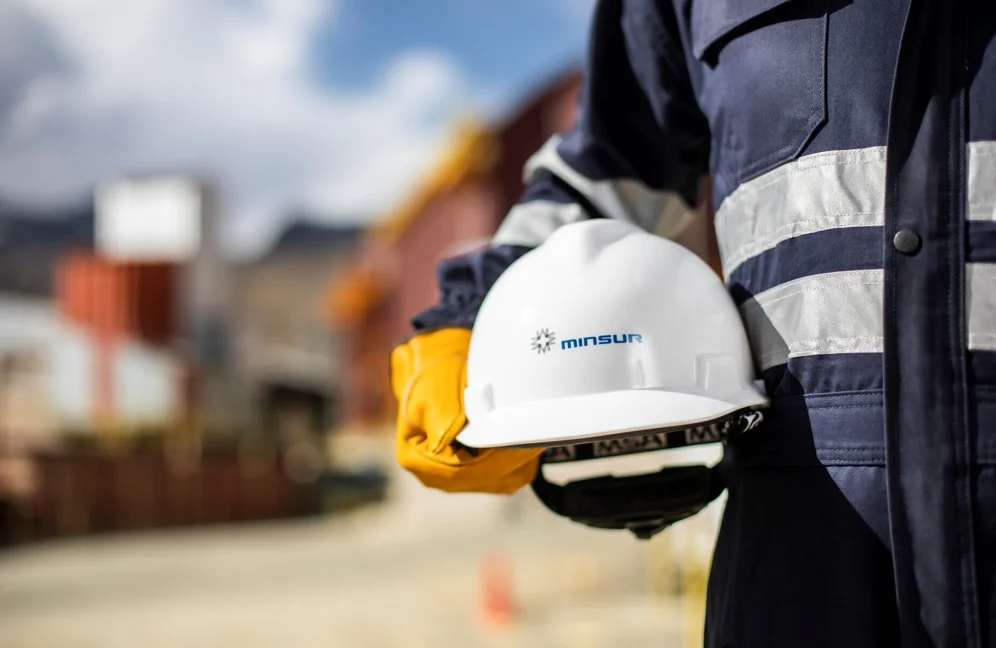
Minsur, the flagship mining subsidiary of the Peruvian conglomerate Grupo Breca, has initiated a critical regulatory step with the National Service of Environmental Certification for Sustainable Investments (Senace). The company has submitted a request to adopt the "Common Terms of Reference" (TdRC) for its Santo Domingo tin project, located in the districts of Nuñoa and Macusani within the Melgar province of Puno.
While the company emphasizes that this is a preliminary planning exercise rather than a final commitment to project development, the move signals a clear intent to prepare the groundwork for a future Detailed Environmental Impact Study (EIA-d). As the global demand for tin—a critical metal for the energy transition and electronics—continues to climb, Santo Domingo is being positioned as a potential cornerstone for Minsur’s long-term production strategy.
The Strategic Importance of Santo Domingo
Understanding the Tin Market Dynamics
Tin has emerged as one of the most vital metals in the 21st century. Often referred to as the "glue of the modern world," it is indispensable for soldering components in smartphones, laptops, and, increasingly, for its role in photovoltaic cells and electric vehicle (EV) battery technologies.
Minsur is currently a global heavyweight in this sector. Its primary operation, the San Rafael mine—also situated in the Puno region—holds the distinction of being the most significant tin mine in South America and the fourth-largest globally. By advancing Santo Domingo, Minsur is not merely looking to expand its footprint; it is securing a supply chain hedge that ensures its dominance in the international market.
The Scope of the Current Filing
The recent submission to Senace provides a baseline of the project’s potential environmental and social footprint. It is a document characterized by "referential information," meaning the data is subject to change as geological and engineering studies progress. Currently, Santo Domingo remains firmly in the exploration phase, with the company utilizing these regulatory filings to map out the feasibility of future infrastructure, tailings management, and water usage in the high-altitude Andean environment.
Chronology of Development: A Steady Trajectory
Minsur’s commitment to its Puno assets has been marked by a rigorous series of permitting and technical upgrades over the past several years. The following timeline illustrates the company’s methodical approach to site expansion:
- 2014: Initial positioning and exploration activities begin in the Santo Domingo concession area.
- 2025: Minsur presents its fourth Technical Sustaining Report (ITS) to the Ministry of Energy and Mines (Minem). This request focused on incorporating new drilling campaigns and modifying existing access roads and work platforms.
- February 2025: Regulatory approval is granted to extend the project’s total timeline to 78 months, providing the necessary runway for continued exploration.
- May 2026: Minem grants formal conformity to the fifth ITS of the Semi-Detailed Environmental Impact Study (EIA-sd).
- Late 2026: The filing of the Common Terms of Reference (TdRC) with Senace marks the transition from purely exploratory mapping to the anticipation of a full-scale environmental assessment.
This consistent cadence of regulatory filings demonstrates Minsur’s ability to navigate Peru’s complex mining bureaucracy, maintaining a steady pace of investment even in the face of fluctuating market conditions.
Supporting Data: Financial Performance and Investment
A Catalyst for Growth
Minsur’s financial health is inextricably linked to the price of tin. During the first quarter of 2026, the company reported an impressive 17% increase in sales, a performance that led to a significant multiplication of its net profit. With total sales reaching $342.9 million for the quarter, the company has the liquidity to aggressively pursue its growth agenda.
Capital Allocation for Exploration
For the 2026 fiscal year, Minsur has earmarked approximately $42 million specifically for greenfield exploration projects. A significant portion of this is directed toward Santo Domingo, with a targeted drilling objective of 35,000 meters. This investment is not just about identifying resources; it is about proving that the geological potential of the Santo Domingo site justifies the capital expenditure required to transition it into a mine.
The San Rafael Expansion: A Precedent
To understand the company’s vision for Santo Domingo, one must look at the proposed expansion of the San Rafael operation. Minsur has submitted an Environmental Preliminary Evaluation (EVAP) to Senace, seeking to extend the life of the San Rafael mine until 2041.
The scope of this expansion is ambitious, involving an investment of over $1.7 billion. Key components of this plan include:
- Processing Capacity Increase: A 44% boost in throughput, moving from 3,480 to 5,000 tons per day.
- Operational Longevity: Ensuring that the world’s fourth-largest tin mine continues to contribute to the global supply for another two decades.
Navigating Social Tensions in Puno
Despite the technical and financial momentum, Minsur faces significant headwinds on the ground. The Santo Domingo project has become a focal point for local dissent in the Nuñoa district.
The Stance of Local Communities
Community leaders in Nuñoa have formally expressed their opposition to the mining concessions associated with the project. Their grievances are multifaceted:
- Environmental Concerns: Leaders emphasize the sensitivity of the area, noting its location at the "head of the basin," which is vital for local agriculture and livestock.
- Historical Grievances: Protesters argue that the company has been present in the area since 2014 and has failed to honor previous agreements regarding social investment and environmental stewardship.
- Calls for Paralysis: The local opposition has submitted documentation to various state bodies demanding a total halt to exploration activities, viewing the current regulatory advancements as a disregard for their consent.
The Challenge of Social License
For Minsur, the "social license to operate" is as important as the legal permits granted by Minem or Senace. The tension in Puno highlights a broader challenge for the Peruvian mining sector: the need to align national economic interests with the localized concerns of indigenous and rural populations. Moving from exploration to development will require a robust, transparent, and likely lengthy process of social dialogue and conflict resolution.
Implications and Future Outlook
The Road Ahead for Minsur
Minsur finds itself at a crossroads. While the global market is hungry for tin, the company must balance its operational objectives with the reality of increasing social oversight. The decision to adopt the TdRC is a professional move that brings transparency to the planning process, but it also places the project under a sharper spotlight.
Environmental and Regulatory Standards
By moving toward an EIA-d, Minsur is signaling that it is prepared to meet the highest environmental standards required by the Peruvian government. This involves comprehensive studies on water quality, biodiversity, and post-closure plans. If successful, this process could serve as a model for how the company manages future projects in sensitive Andean regions.
Conclusion: A High-Stakes Balancing Act
The development of the Santo Domingo project is emblematic of the challenges and opportunities inherent in modern mining. On one hand, Minsur possesses the technical expertise, the financial backing, and the market mandate to develop a significant new source of tin. On the other, the project’s success is contingent upon the company’s ability to mend fences with the Nuñoa community and demonstrate that its presence in the region is truly sustainable.
As Minsur continues its 35,000-meter drilling campaign throughout 2026, the global mining community will be watching. The outcome of the Santo Domingo project will likely influence future investment strategies in Peru’s mining sector, proving whether or not large-scale, high-value projects can still be successfully brought to life in regions where local opposition is well-organized and vocal.
For now, Santo Domingo remains a "piece of the puzzle"—a vital, yet still evolving, component of a corporate strategy that is betting big on the future of tin. The next 18 to 24 months will be decisive in determining whether this project matures into a flagship operation or remains a point of contention in the highlands of Puno.