Introduction: The Civic Mandate
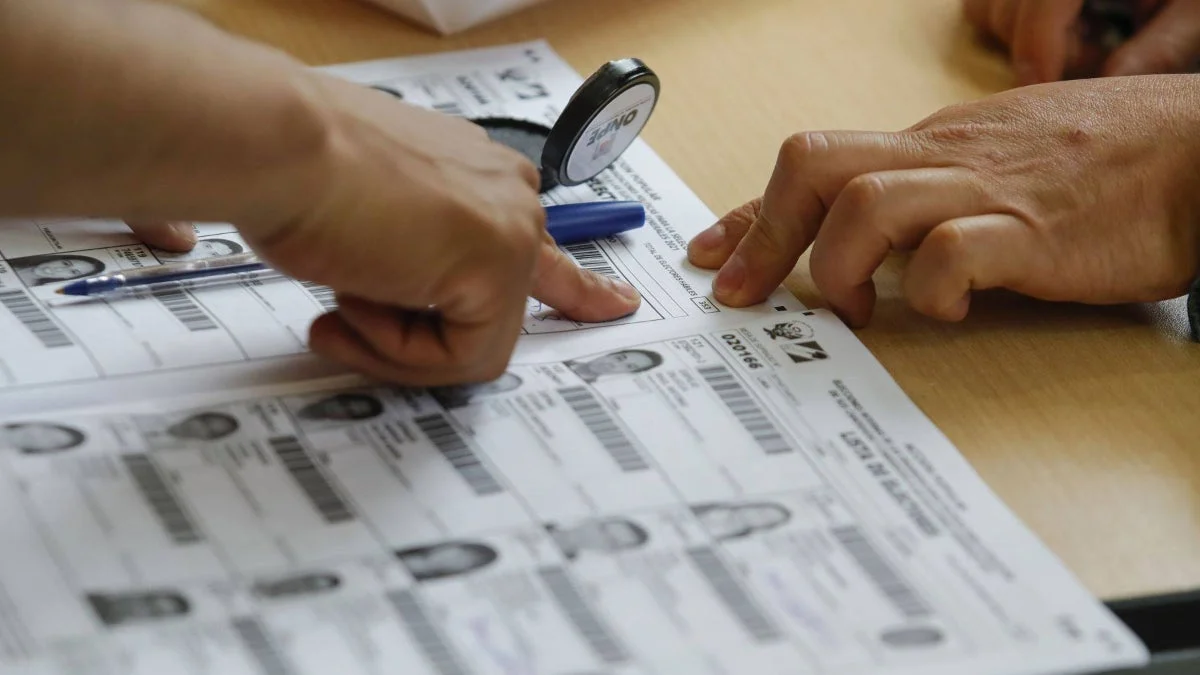
As the nation prepares for the upcoming Regional and Municipal Elections (ERM 2026) scheduled for Sunday, October 4, the National Jury of Elections (JNE) has issued a stern reminder to the electorate regarding the legal consequences of failing to participate in the democratic process. In an effort to ensure high voter turnout and the smooth operation of polling stations, the electoral authority has clarified the structure of financial penalties for those who neglect their civic obligations, whether as voters or as designated members of polling stations.
The JNE’s announcement serves as a final call to action for millions of citizens, emphasizing that the integrity of the regional and municipal government hinges on the active participation of the populace. With the electoral calendar now in its final countdown, the institution is utilizing every available channel to ensure that ignorance of the law is not cited as a reason for non-compliance.
Main Facts: Understanding the Penalties
The core of the JNE’s mandate is based on the principle that voting is not only a right but a mandatory civic duty. Failure to exercise this right without a valid legal justification results in a tiered system of fines. These penalties are calculated based on the current Unit of Tax Imposition (UIT) for the year 2026, categorized by the socioeconomic classification of the voter’s district as determined by the National Institute of Statistics and Informatics (INEI).
The Voter Penalty Scale
For the 2026 ERM, the financial sanctions for failing to vote are segmented into three distinct categories:
- Non-Poor Districts: Citizens residing in districts classified as "not poor" will face a fine of 110 soles, which represents 2% of the current UIT.
- Poor Districts: Residents in districts categorized as "poor" are subject to a fine of 55 soles, equivalent to 1% of the UIT.
- Extreme Poverty Districts: For those living in areas classified as having "extreme poverty," the fine is reduced to 27.50 soles, or 0.5% of the UIT.
The Burden on Polling Station Members
The JNE places an even higher premium on the role of polling station members—both titular and alternate. These individuals are the backbone of the election, and their absence causes significant disruption to the voting process. Consequently, the penalty for failing to serve as a member of a polling station is a flat fee of 275 soles, which accounts for 5% of the UIT.
It is critical to note that this penalty is not reserved solely for those who fail to show up; it also applies to individuals who are present at the polling station but refuse to integrate the table when requested by authorities. Furthermore, should a designated member of a polling station fail to fulfill their duty and subsequently fail to vote, they will be subjected to both the fine for non-attendance as a member and the fine for failing to vote.
Chronology: The Road to October 4
The electoral process for the 2026 Regional and Municipal Elections has been a long-standing operation involving extensive planning by the JNE, ONPE (National Office of Electoral Processes), and RENIEC (National Registry of Identification and Civil Status).
- Preparation Phase (Early 2026): The JNE finalized the electoral registry and established the socioeconomic maps in collaboration with the INEI to ensure the fairness of the fine distribution.
- Notification Phase (Mid-2026): Designated polling station members were notified of their responsibilities via official channels and through the JNE’s digital portals.
- Final Campaign Period (September 2026): The JNE ramped up its public awareness campaigns, using media, social networks, and community outreach to remind citizens of their polling locations and their duty to attend.
- The Eve of Election (October 3, 2026): The final legal warnings are issued, and the deployment of electoral materials to the most remote corners of the country is finalized.
- Election Day (October 4, 2026): The critical date for democratic participation.
Supporting Data: The Socioeconomic Rationale
The methodology behind these fines is rooted in the constitutional requirement for social equity. By linking the fines to the INEI’s socioeconomic classification, the JNE aims to ensure that the burden of the penalty is proportionate to the economic reality of the citizen.
The use of the UIT (Unidad Impositiva Tributaria) as a benchmark is a standard administrative practice in Peru, allowing for the inflation-adjusted scaling of fiscal penalties. As the cost of living fluctuates, the UIT provides a stable, transparent anchor for calculating fines, preventing the penalization system from becoming arbitrary or outdated.
The JNE has emphasized that these funds, once collected, are utilized to support the costs of the electoral process itself—logistics, security, and administrative overhead—thereby reinforcing the cycle of civic responsibility.
Official Responses and Administrative Procedures
In response to public inquiries regarding the payment of these fines, the JNE has streamlined the process to avoid unnecessary bureaucratic hurdles.
Digital Convenience
The JNE has launched a dedicated portal at https://pagosenlinea.jne.gob.pe. This platform allows citizens to verify if they have any pending electoral fines, consult their payment history, and make payments directly using various digital payment methods. This initiative is part of the JNE’s broader "digital transformation" strategy, designed to reduce the need for in-person visits to government offices.
Traditional Payment Options
For those who prefer or require traditional methods, the JNE maintains a partnership with the Banco de la Nación. Citizens can present their National Identity Document (DNI) at any agency across the country to pay their fines. The system is integrated in real-time, meaning that once the payment is processed at the bank or via the online portal, the record of the sanction is cleared from the citizen’s electoral file.
JNE Spokesperson Statement
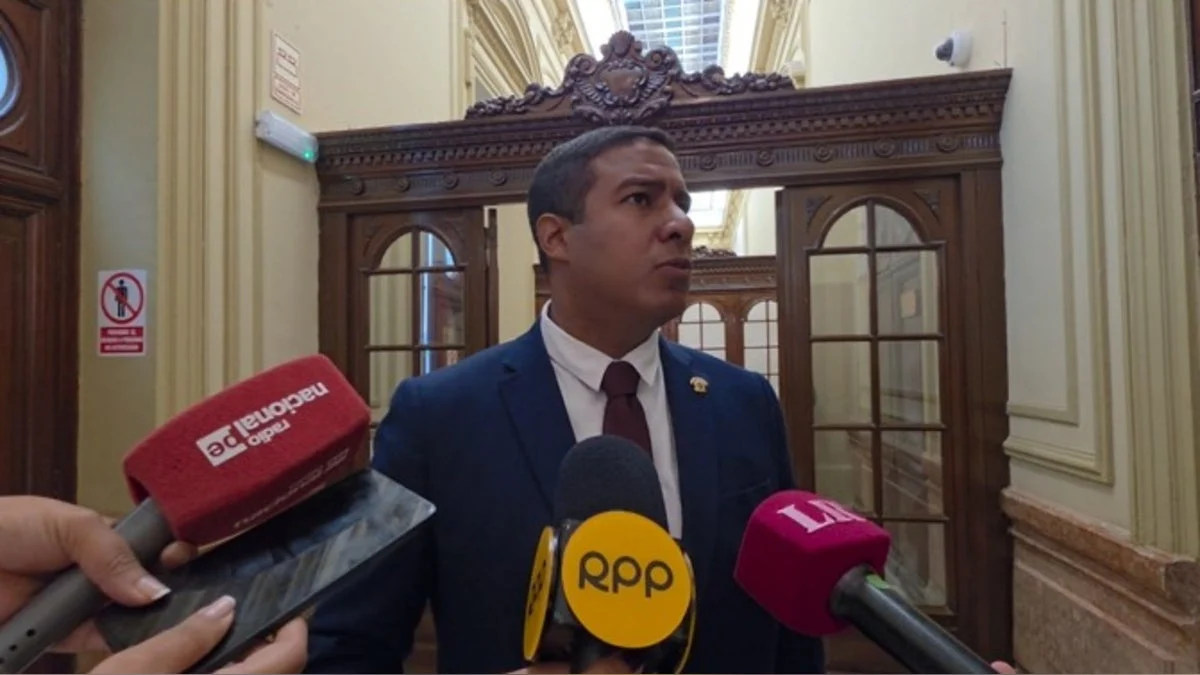
A spokesperson for the JNE stated: "Our objective is not to collect fines, but to ensure that the electoral process is inclusive and representative. When a citizen fails to vote, they are effectively silencing their own voice in the regional and municipal development of their community. We encourage everyone to check their status ahead of time and fulfill their duty this Sunday."
Implications: The Impact of Civic Absence
The implications of widespread non-participation extend far beyond the financial cost to the individual. When voter turnout is low, the perceived legitimacy of the elected officials is weakened. Regional and municipal governments rely on a strong mandate to implement policies regarding infrastructure, public health, education, and security.
Legal and Administrative Consequences
Beyond the direct financial penalty, there are often secondary consequences for citizens who fail to pay their electoral fines. In Peru, having pending electoral fines can complicate administrative procedures, such as:
- Difficulties in renewing or obtaining official identification documents.
- Delays in legal proceedings or public office appointments.
- Potential limitations in performing certain financial transactions that require an updated record of civic compliance.
Strengthening Democracy
The JNE’s insistence on these fines serves a dual purpose: it encourages personal accountability and funds the administrative apparatus required to keep the democratic engine running. By making the cost of non-participation clear and the process of rectification accessible, the JNE hopes to foster a culture where voting is viewed not as a chore to be avoided, but as a fundamental pillar of citizenship.
As the nation approaches October 4, the message is unequivocal: the ballot box is the most powerful tool for change, and its use is the primary duty of every resident. Failure to show up not only carries a financial price tag but also risks the long-term health of local governance.
The JNE remains on high alert, with observers deployed across the country to monitor the proceedings, ensuring that every vote is cast in a fair, secure, and transparent environment. Citizens are urged to review their polling station assignments, verify their duty status, and prepare to participate in the shaping of their regional and municipal future.