Introduction: A New Paradigm for Community Development
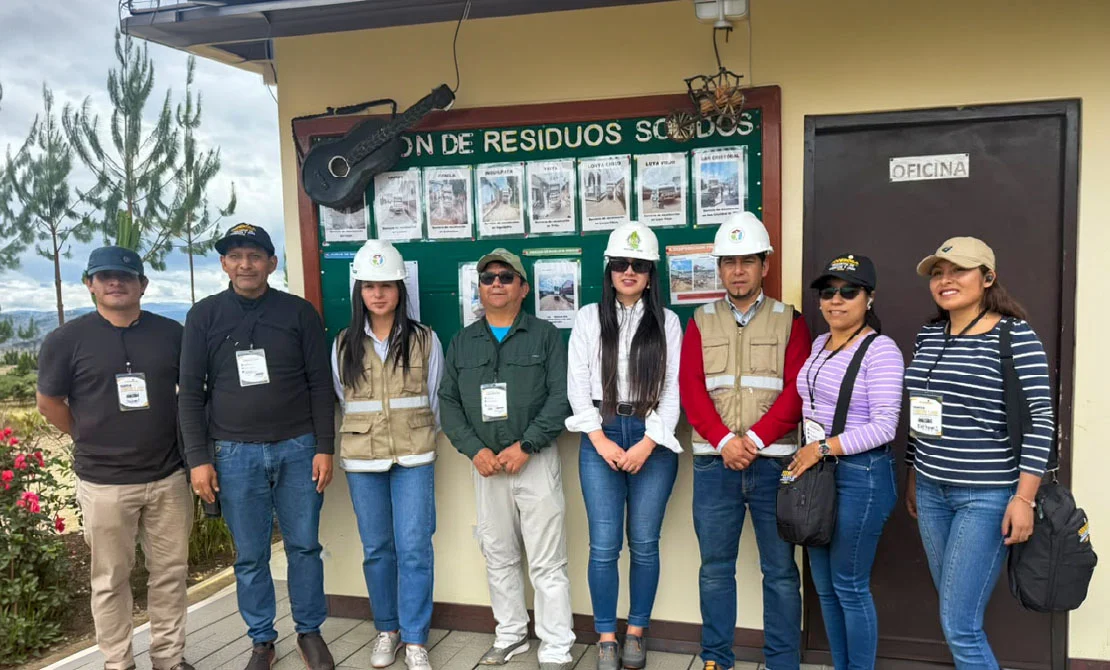
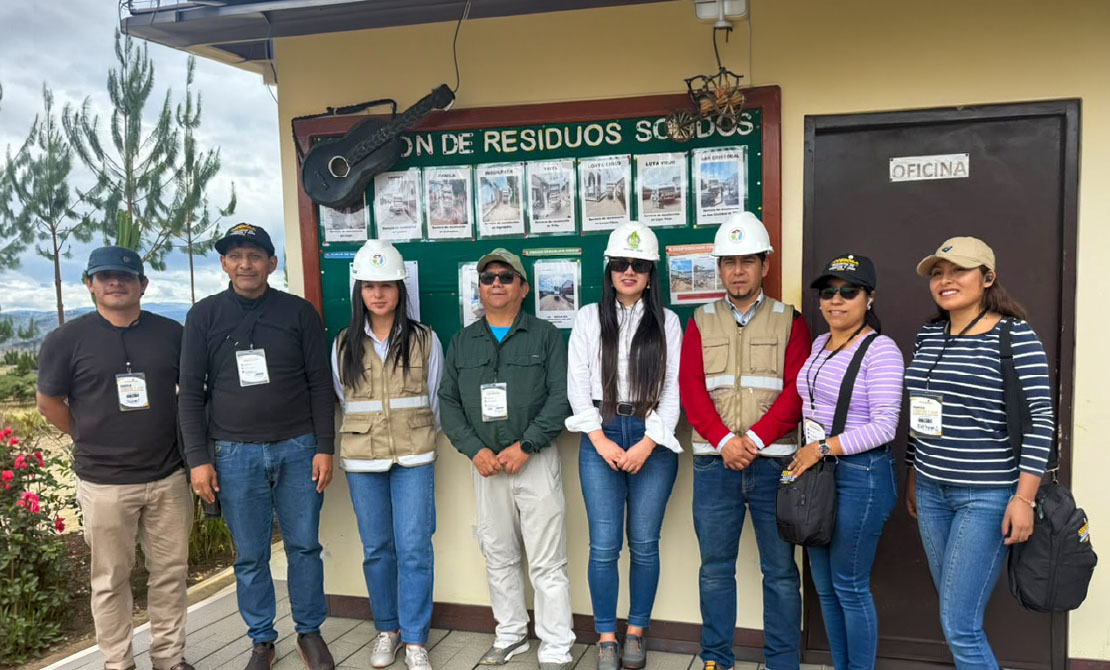
In the heart of the Peruvian Andes, the districts of Pataz, Piás, and Huaylillas are undergoing a profound transformation. From September 8 to 14, a delegation of local leaders, technical experts, and community representatives embarked on a rigorous technical internship (pasantía) in the Amazonas region. This initiative, spearheaded by the Compañía Minera Poderosa in strategic alliance with the Asociación Pataz, represents a significant shift toward collaborative governance and sustainable regional development.
By immersing community leaders in successful models of waste management, water treatment, and municipal administration, the program aimed to transcend traditional development paradigms. It sought to provide the Comités de Desarrollo Comunal (CODECOS) and the Juntas Administradoras de Servicios de Saneamiento (JASS) with the tools necessary to lead their districts toward a future defined by efficiency, environmental stewardship, and local economic resilience.
Main Facts: The Architecture of the Initiative
The program was not merely an observational trip; it was a curated technical exchange designed to address specific infrastructure and governance challenges faced by the residents of Pataz, Piás, and Huaylillas.
- Duration: September 8–14.
- Participants: A diverse group including CODECOS directors, JASS representatives, community leaders from the Leoncio Prado de Vista Florida campesino community, members of the Los Alisos annex, and officials from the district municipalities of Piás and Pataz.
- Facilitators: The technical team included representatives from Compañía Minera Poderosa, Asociación Pataz, and the specialist consultancy firm ACS.
- Core Objective: To strengthen local leadership, enhance governance frameworks, and create a roadmap for the replication of successful socio-environmental projects within the Pataz province.
The inclusion of both municipal authorities and grassroots community leaders was intentional. By fostering a dialogue between those who manage local resources (JASS) and those who steer communal development (CODECOS), the initiative ensured that technical knowledge would be grounded in the practical realities of daily life in the mountains.
Chronology: A Week of Intensive Learning
The itinerary was structured to expose the delegates to a spectrum of challenges and solutions, transitioning from environmental infrastructure to local economic development.
Phase 1: Environmental Infrastructure and Sanitation (Days 1–3)
The delegation began their journey by analyzing the "Fukuoka Method" for landfill management at the Relleno Sanitario de la Mancomunidad Municipal de Chillaos in Luya. Facilitated by the Unidad Ejecutora Proamazonas, this site serves as a gold standard for solid waste management in the region. Participants examined how the Fukuoka method uses natural aeration to accelerate the decomposition of organic matter, significantly reducing the environmental footprint of waste disposal.
Following this, the team visited the Mancomunidad Tilacancha and the EMUSAP Potable Water Treatment Plant (PTAP). These visits provided a stark contrast between outdated systems and modern, high-efficiency water management. For the JASS members in attendance, observing the PTAP in operation was a masterclass in ensuring water safety and long-term sustainability for high-altitude populations.
Phase 2: Municipal Governance and Economic Resilience (Days 4–6)
The middle of the week shifted focus toward the "soft" infrastructure of development: administration and economic diversification. The delegation held a formal exchange with authorities from the Municipalidad Distrital de San Isidro del Maino. Here, discussions centered on the intricacies of budget execution, public resource management, and the legal frameworks necessary to foster transparency in municipal administration.
The final leg of the tour took the delegates to Luya Viejo and Levanto. These areas provided a practical blueprint for rural economic development. The delegates engaged with local producers to learn about modern potato cultivation techniques, the intricacies of the dairy value chain, and the strategies for branding local products for larger markets. Furthermore, they explored how to leverage cultural heritage for sustainable tourism—a key lesson for the Pataz region, which possesses significant, albeit under-utilized, tourism potential.
Supporting Data and Technical Context
The success of the internship is rooted in the "replication model." Many of the districts in Pataz struggle with fragmented governance and lack of access to technical training. By observing the Mancomunidad model—a formal association of municipalities—the delegates saw firsthand how local governments can pool resources to achieve economies of scale.
The Fukuoka Method Advantage
The adoption of the Fukuoka method at Chillaos provides a compelling data point for future investment in Pataz. Unlike traditional landfills that require massive capital investment for leachate treatment, the Fukuoka method utilizes passive aeration, which can reduce operational costs by up to 30% while significantly mitigating greenhouse gas emissions. This is a highly replicable model for smaller Andean districts where budgets are constrained.
Strengthening JASS Governance
The JASS are the unsung heroes of rural sanitation in Peru. During the internship, the emphasis was not just on technical maintenance of pipes and filters, but on the governance of these boards. By reviewing the administrative protocols of EMUSAP, the delegates learned how to transition from simple maintenance-based models to comprehensive, revenue-generating service models that ensure long-term water quality.
Official Responses and Perspectives
The collaboration between Compañía Minera Poderosa and Asociación Pataz has been praised for its long-term vision. By investing in human capital rather than solely in physical infrastructure, the mining company is attempting to address the root causes of underdevelopment.
"The objective is not just to show them how things are done elsewhere, but to empower these leaders to believe that these changes are possible within their own jurisdictions," stated a representative from the Asociación Pataz. "When a community leader from Pataz sees a successful cooperative in Luya, the mental barrier to progress is shattered. They return home with a sense of agency."
The participants themselves echoed this sentiment. Many noted that before the trip, they viewed their challenges as insurmountable. Post-internship, the conversation shifted toward drafting communal development plans that prioritize sanitation and local production.
Implications: A New Era for Pataz, Piás, and Huaylillas
The broader implications of this initiative extend far beyond the immediate technical skills acquired during the week.
1. Enhanced Social License
By actively supporting the development of local governance, Compañía Minera Poderosa is strengthening its social license to operate. This is a shift from traditional "paternalistic" corporate social responsibility (CSR) to a partnership-based model where the company acts as a catalyst for local capacity building.
2. Economic Diversification
The emphasis on dairy, potato production, and tourism in Luya provides a clear diversification strategy for Pataz. As these districts look to reduce their dependence on single-industry economies, the ability to professionalize local agriculture and capture value-added profits will be essential for long-term economic stability.
3. Sustainable Sanitation
The adoption of improved waste management and water treatment technologies will have immediate public health impacts. By reducing the incidence of waterborne diseases and improving the handling of solid waste, the quality of life for residents in Pataz, Piás, and Huaylillas will see measurable improvements, likely resulting in lower public health expenditures for the municipal governments.
4. Regional Integration
The "Mancomunidad" model observed in Amazonas serves as a template for the districts of Pataz. If these districts can effectively coordinate their efforts, they can advocate more effectively for regional and national funding, creating a stronger political and economic bloc that can compete for development resources.
Conclusion: The Path Forward
The technical internship was more than a professional development exercise; it was a strategic investment in the future of the Pataz province. By bridging the gap between current realities and best-in-class regional practices, the program has provided the participants with the knowledge, the network, and the motivation to enact change.
As the delegates return to their respective districts, the true measure of success will be the implementation of these lessons. Whether it is through the construction of a new landfill based on the Fukuoka model, the modernization of a local JASS, or the formation of new agricultural cooperatives, the seeds of change have been planted. With the continued support of Compañía Minera Poderosa and the Asociación Pataz, the regions of Pataz, Piás, and Huaylillas are poised to become models of community-led development in the Peruvian Andes.