Executive Summary: A Strategic Shift in Resource Allocation
In a significant move to decentralize research capabilities and foster technological progress across Peru, the government has expanded the reach of the hydrocarbon canon and "sobrecanon." As of April 2026, the number of national universities receiving direct funding from the exploitation of oil and gas resources has doubled, rising from eight to sixteen. This strategic injection of capital, totaling S/ 33.6 million in the first four months of 2026 alone, is earmarked exclusively for scientific research and technological development, aiming to transform regional universities into engines of local economic growth.
The Chronology of Expansion: From 8 to 16 Beneficiaries
The expansion of the canon’s reach represents a long-awaited realization of the mandate to ensure that regions hosting extractive industries see tangible long-term benefits in their human capital.
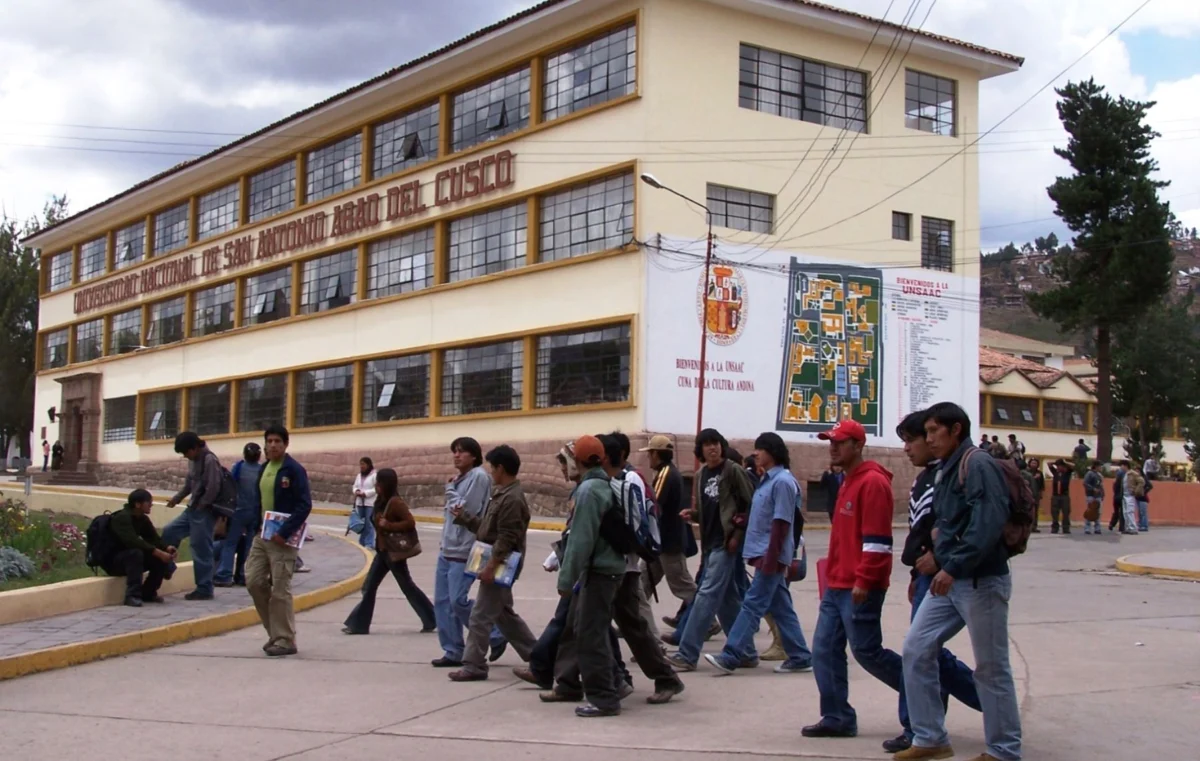
- Pre-April 2026: The framework for canon distribution was limited to a select group of established national universities in hydrocarbon-rich zones, such as the Universidad Nacional de la Amazonía Peruana and the Universidad Nacional San Antonio Abad del Cusco (UNSAAC).
- April 2026 Milestone: A regulatory shift integrated eight additional institutions into the fold. This inclusion reflects the maturation of new regional universities, particularly in Piura, Ucayali, and Loreto, which are now recognized as critical nodes for academic development.
- Future Outlook: Government officials indicate that this framework will remain a permanent fixture, with future transfers contingent on the monthly performance of the hydrocarbon sector and the capacity of these institutions to execute their research budgets effectively.
Supporting Data: Breakdown of Financial Transfers (Jan–April 2026)
The distribution of the S/ 33.6 million reflects the intensity of regional production and the legislative requirements governing the specific allocation of funds.
Cusco: The Leader in Gas-Derived Revenue
The Universidad Nacional San Antonio Abad del Cusco (UNSAAC) remains the largest beneficiary, receiving S/ 21 million in the first quadrimester. Unlike other regions where transfers are handled via centralized national channels, these funds are channeled directly through the Cusco Regional Government, acknowledging the region’s massive contribution to the national energy grid through the Camisea gas project.
Piura: A New Hub for Technical Education
Piura has seen an unprecedented expansion, with S/ 5.2 million distributed across seven institutions. The traditional heavyweights—the Universidad Nacional de Piura and the Universidad Nacional de Frontera—have been joined by five new beneficiaries:
- Universidad Nacional de Huancabamba
- Universidad Nacional de Sechura
- Universidad Nacional de Talara
- Universidad Tecnológica Miguel Grau
- Universidad Nacional de Arte Ignacio Merino
Loreto: Deepening the Amazonian Research Footprint
Loreto received S/ 4.1 million allocated to three distinct institutions. The Universidad Nacional de la Amazonía and the Universidad Nacional Autónoma de Alto Amazonas are now joined by the Universidad Nacional de Nauta, marking a commitment to providing high-level technical resources to the heart of the Peruvian jungle.

Ucayali and Tumbes: Scaling Local Capability
In Ucayali, S/ 0.9 million was distributed among four universities, including the newly added Universidad Nacional Autónoma de Padre Abad and the Universidad Nacional de Formación Artística Eduardo Meza Saravia. Meanwhile, the Universidad Nacional de Tumbes secured S/ 2.5 million, a vital boost for its ongoing research into marine biology and coastal resource management.
The Role of PERUPETRO S.A. and Regulatory Oversight
PERUPETRO S.A., the state entity responsible for the promotion and administration of hydrocarbon contracts, acts as the primary facilitator in this ecosystem. By ensuring that the exploitation of natural resources adheres to sustainable and legal frameworks, PERUPETRO creates the stable economic environment necessary for these canon transfers to occur.
The governance of these funds is strict. Under Peruvian law, these resources cannot be used for administrative payrolls or infrastructure not linked to research. Instead, the funds must be invested in laboratories, scientific fellowships, technological equipment, and research projects that solve regional challenges—ranging from improving agricultural yields in the north to mitigating environmental impact in the Amazon basin.
Official Perspectives and Strategic Implications
Bridging the Research Gap
Academic experts argue that this policy is the most effective way to "de-privatize" innovation. By placing research budgets in the hands of regional universities, the government is incentivizing the creation of regional knowledge hubs that are better suited to solve local problems than centralized institutions in Lima.
"This is not merely a subsidy; it is an investment in regional sovereignty," notes an analyst familiar with the distribution framework. "When a university in Sechura or Nauta can afford advanced research equipment, they stop being a mere teaching institution and become a research center that can partner with local industry to improve efficiency and safety."
The Challenge of Execution
While the funding is substantial, critics warn that the primary hurdle will be the "execution capacity" of these smaller, newer universities. Developing a robust scientific culture requires more than just capital; it requires specialized human resources, bureaucratic efficiency, and transparent management to ensure that the funds translate into published research and patentable technologies rather than sitting idle in institutional accounts.

Long-Term Socio-Economic Impact
The long-term implication of this policy is the creation of a "virtuous cycle." As these universities produce graduates with high-level research skills, the regions will become more attractive to high-tech industries. This, in turn, helps diversify the regional economy, reducing dependence on the raw extraction of hydrocarbons and preparing the local workforce for a transition toward a more knowledge-based economy.
Conclusion: A New Era for Peruvian Higher Education
The inclusion of eight new universities into the canon and sobrecanon system is a testament to the maturation of Peru’s regional academic landscape. By linking the wealth of the subsoil to the intellectual capital of the classroom, the government is attempting to ensure that the finite resources of oil and gas leave behind an infinite legacy of scientific advancement.
For the students, faculty, and local communities of the sixteen beneficiary institutions, the coming years will be defined by an unprecedented opportunity to redefine their regions’ potential. Whether through advancements in tropical agriculture, marine sciences, or sustainable engineering, these universities are now equipped to lead the charge toward a more innovative and technologically self-sufficient Peru.
As the country moves through 2026, the focus will inevitably shift from the transfer of funds to the impact of those funds. The academic world, the private sector, and the public will be watching closely to see how these institutions harness their new resources to secure a brighter future for the regions they serve.