By International Desk
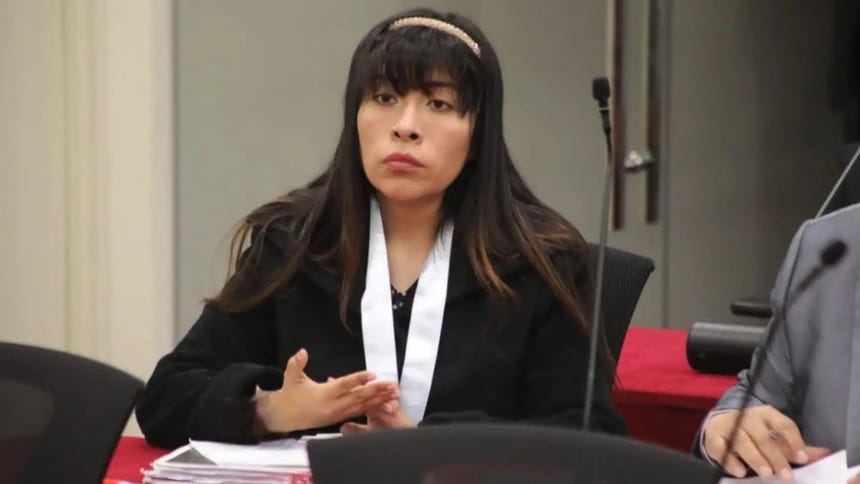
In a move that marks a definitive turning point in the complex diplomatic landscape of the Andean region, the Peruvian government has officially authorized the departure of former Prime Minister Betssy Chávez from the country. By granting a diplomatic safe conduct, the administration of President Keiko Fujimori has effectively ended a protracted legal and diplomatic standoff with Mexico, a conflict that had reached its nadir with the formal severance of diplomatic relations between Lima and Mexico City last November.
The departure of Chávez, who had been ensconced within the Mexican Embassy in Lima for months, serves as the final act in a high-stakes drama that gripped the region for nearly two years. The resolution of this impasse not only facilitates the physical exit of a central figure in Peru’s recent political turmoil but also paves the way for the full restoration of diplomatic ties between two nations historically bound by deep cultural and political roots.
The Departure: A Diplomatic Resolution
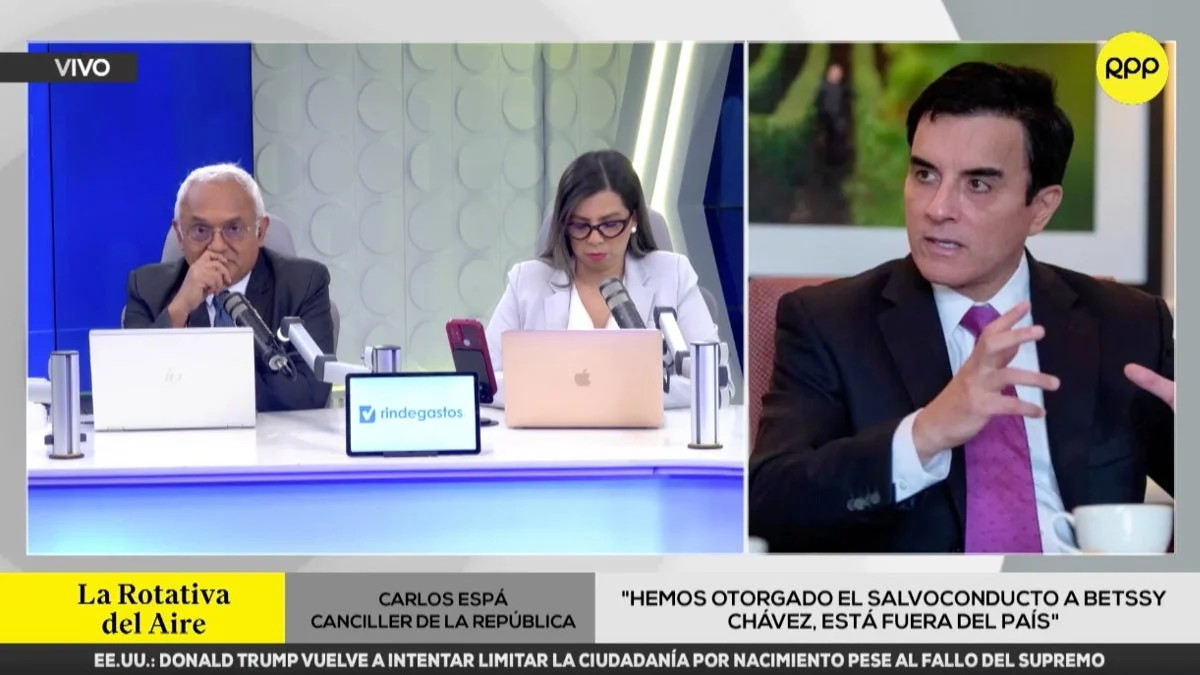
The news was confirmed by the Peruvian Minister of Foreign Affairs, Carlos Espá, during an interview on La Rotativa del Aire (RPP). Minister Espá clarified that the bureaucratic and legal hurdles that had kept the former official within the confines of the embassy had finally been cleared.
"The safe conduct for Mrs. Betssy Chávez has been granted, and she has already departed Peru," the Chancellor confirmed. "She left the country at approximately midnight. I can assure you that, to my knowledge, she is in good health."
When pressed on the implications of this decision for the bilateral relationship, Espá was unequivocal. "We are moving toward the reopening of the embassy and the full restoration of relations at the ambassadorial level. We are returning to a state of normalcy, which has been our objective since the beginning of this administration," he stated.
Chronology of a Political Imbroglio
To understand the gravity of this development, one must trace the timeline of events that led to the rupture of relations.
- December 7, 2022: The constitutional crisis in Peru reaches a boiling point when then-President Pedro Castillo attempts to dissolve Congress and rule by decree. Betssy Chávez, serving as his Prime Minister, becomes a central figure in the aftermath of the failed coup.
- November 3, 2025: Facing imminent legal action and intensifying judicial scrutiny, Chávez seeks and is granted diplomatic asylum within the Mexican Embassy in Lima. This act triggers immediate protests from the Peruvian government, which views the move as an interference in its internal judicial processes.
- November 27, 2025: A Peruvian court hands down a severe sentence: 11 years, 5 months, and 15 days of imprisonment for the crime of conspiracy to commit rebellion. The judiciary simultaneously issues national and international arrest warrants.
- November 2025 – July 2026: The diplomatic vacuum persists. Relations between Peru and Mexico remain severed as both sides maintain firm stances. The Mexican government, upholding its tradition of granting asylum, remains at odds with the Peruvian judicial mandate.
- July 27, 2026: The newly inaugurated administration under President Keiko Fujimori signals a shift in strategy. Foreign Minister Carlos Espá announces that the government is evaluating the legal and diplomatic mechanisms required to normalize relations.
- August 2026: The formal signing of the safe conduct agreement is finalized, allowing Chávez to travel to Mexico and signaling the end of the diplomatic freeze.
Judicial Context: The Charges Against Chávez
The controversy surrounding Betssy Chávez is rooted in the events of December 2022. As the head of the cabinet under Pedro Castillo, she was present during the reading of the message in which the former president announced the "temporary dissolution" of Congress.
The subsequent investigation by the Public Ministry and the eventual trial concluded that her actions were not merely administrative but conspiratorial. The judiciary found evidence of direct participation in the planning of the subversion of the constitutional order. Her 11-year sentence serves as a cornerstone of the legal legacy of the Castillo administration.
For the Peruvian state, the challenge has been balancing the enforcement of these judicial rulings with the necessity of maintaining international standing. The granting of the safe conduct is viewed by some legal experts as a pragmatic diplomatic concession—a "necessary exit" to allow the country to move past the paralysis of the previous months.
Official Responses and Political Implications
The decision to allow the departure has elicited varied reactions across the political spectrum in Lima. Supporters of the current administration argue that the move displays the maturity of the Fujimori government, prioritizing the restoration of regional influence over the pursuit of a singular, albeit controversial, political figure.
Minister Espá has consistently framed the situation through the lens of regional integration. In his public statements following the Independence Day celebrations on July 29, 2026, he emphasized that the tension with Mexico was an anomaly in a long history of brotherhood.
"We are two nations that share profound historical, social, and cultural ties," Espá remarked. "The normalization of our diplomatic channels is not just a policy decision; it is a necessity for the welfare of our citizens and the stability of the Pacific Alliance."
However, opposition factions and some judicial watchdog groups have raised questions regarding the impact of this move on the perceived autonomy of the Peruvian judiciary. There are concerns that allowing those convicted of "conspiracy for rebellion" to leave the country under diplomatic protection could set a precedent that complicates future judicial extraditions.
The Future of Peru-Mexico Relations
The restoration of ties is expected to be a multi-phase process. The immediate priority is the accreditation of ambassadors and the reopening of full consular services. For many Peruvian citizens living in Mexico and Mexicans living in Peru, the restoration of these services is a relief, as the lack of an official diplomatic presence had caused significant bureaucratic difficulties.
Beyond the logistical aspect, the thaw suggests a shift in the regional geopolitical climate. The Latin American bloc has been deeply divided over the events in Peru since late 2022. By resolving the conflict with Mexico, Peru aims to reintegrate itself more effectively into regional dialogues and multilateral forums.
Economic and Strategic Considerations
Beyond the political optics, there is a tangible economic dimension to this rapprochement. Mexico and Peru are key partners within the Pacific Alliance, an trade bloc that has been hampered by the diplomatic friction of the last two years. Business chambers in both countries have been vocal in their support for the normalization of ties, citing the need for fluid trade negotiations and the protection of bilateral investments.
"The normalization of diplomatic relations provides the security needed for private sector cooperation," noted an economic analyst familiar with Andean trade policy. "When embassies are fully operational, the flow of investment and trade agreements moves from a state of stagnation to one of active negotiation."
Conclusion: A New Chapter
As Betssy Chávez begins her life in exile, the administration of Keiko Fujimori faces the task of managing the domestic fallout of the decision. While the move is a clear victory for the normalization of international relations, it remains a sensitive subject within the internal politics of Peru.
The signing of the diplomatic document marks the end of an era of uncertainty. Whether this leads to a lasting period of stability will depend on the government’s ability to navigate the remaining legal complexities of the former administration’s legacy while simultaneously fostering stronger ties with its neighbors.
For now, the focus shifts to the reopening of the embassies. After months of silence, the lines of communication between Lima and Mexico City are once again open, signaling a collective desire to leave behind the controversies of the past and look toward a future of renewed diplomatic engagement. The "diplomatic freeze" is over; the work of rebuilding, however, has only just begun.