For seventeen years, María Minga Calderón’s life was dictated by a piercing alarm clock at 5:55 a.m. The sound, a shrill signal echoing through the hallways of her residence, was not merely a wake-up call; it was the start of a rigid, pre-programmed existence. Upon rising, the ritual was immediate: kneel, kiss the floor, and utter the word “Serviam” (I will serve). This was the “heroic minute,” the foundational routine for a “numerary auxiliary” within the Opus Dei, the most secretive and influential institution in the Catholic Church.
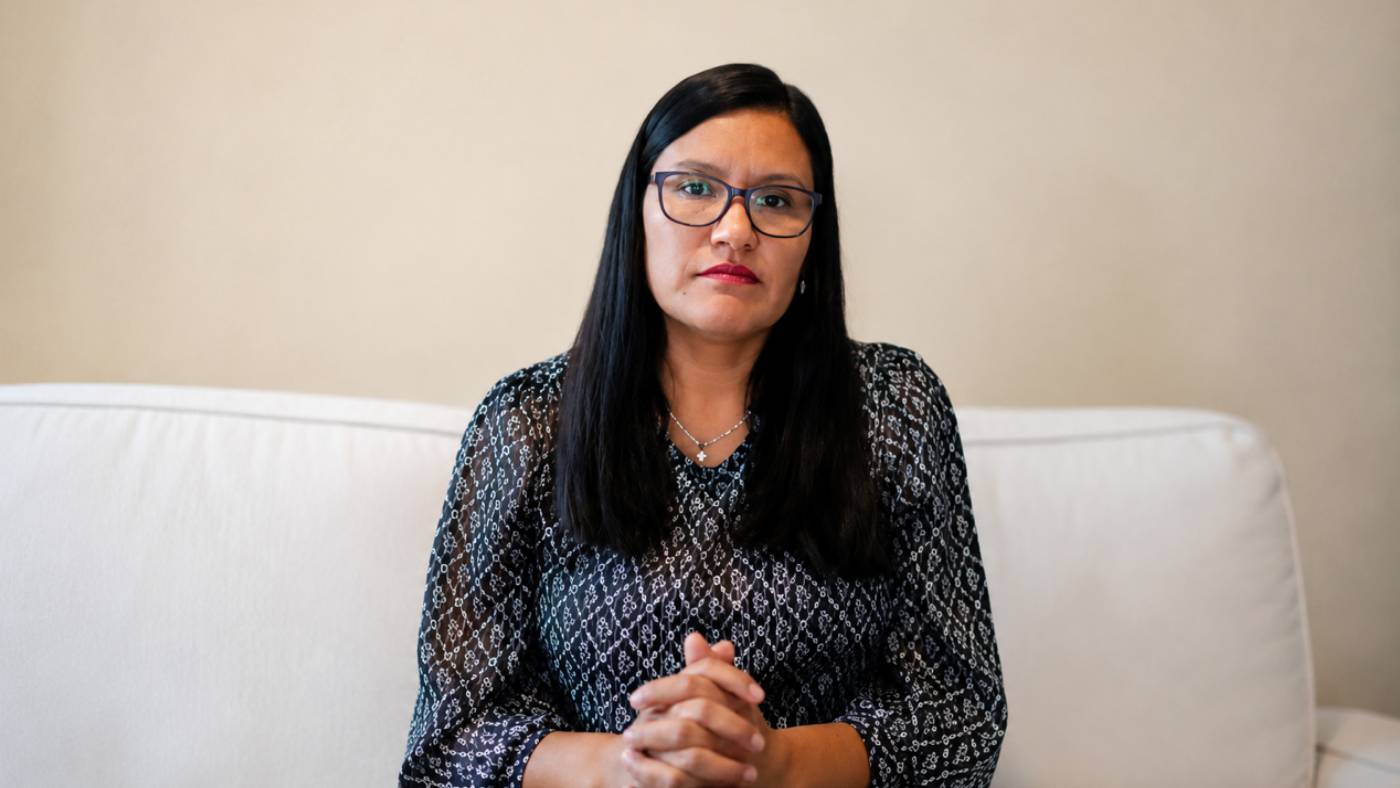
At 43, María Minga has broken a decade-long silence. She is the first former domestic worker of the Opus Dei in Peru to publicly testify, joining a global chorus of women from over a dozen countries across the Americas and Europe who allege systemic labor exploitation, psychological manipulation, and human trafficking within the organization.
The Architecture of Secrecy: A Global Crisis
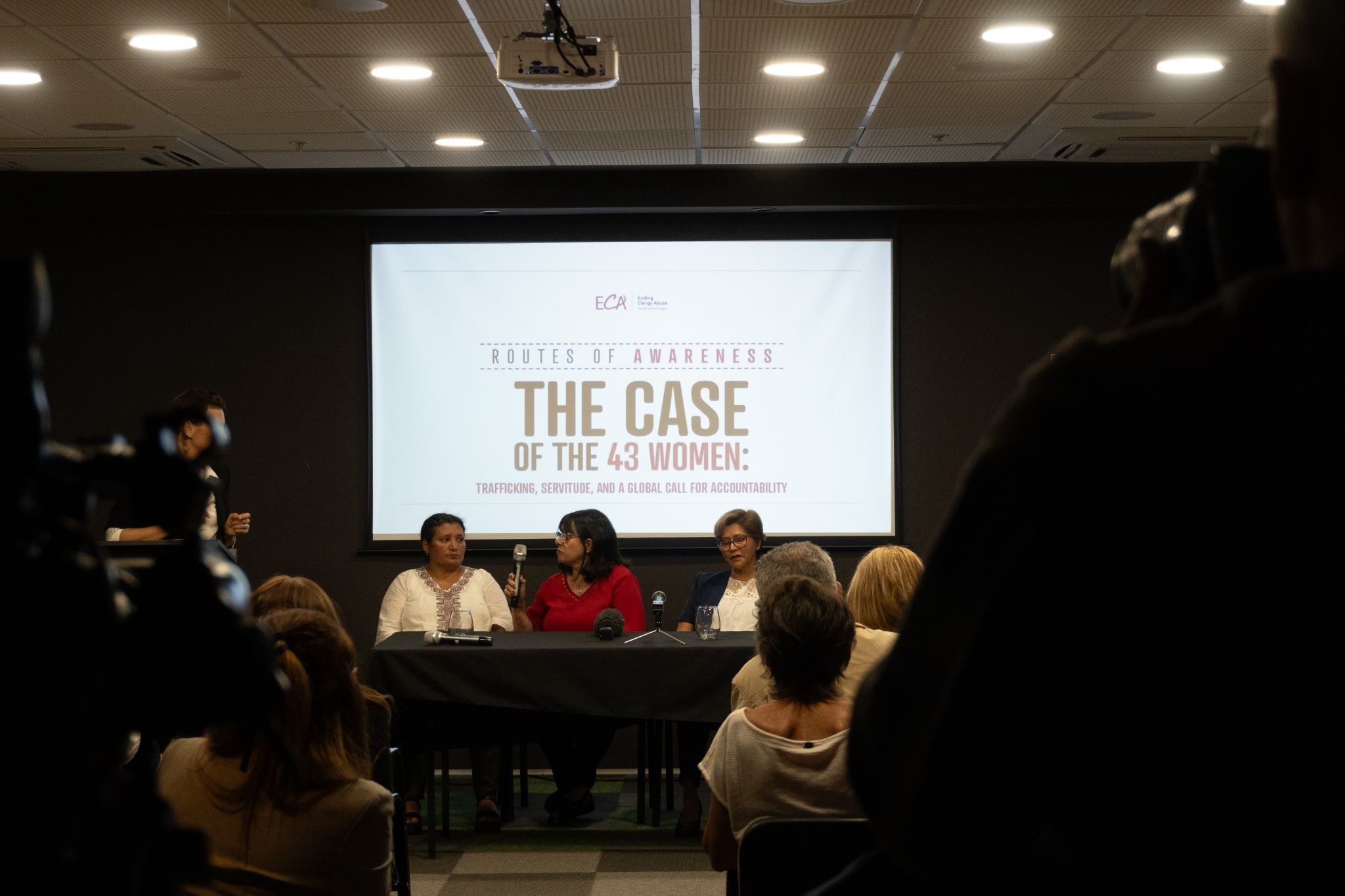
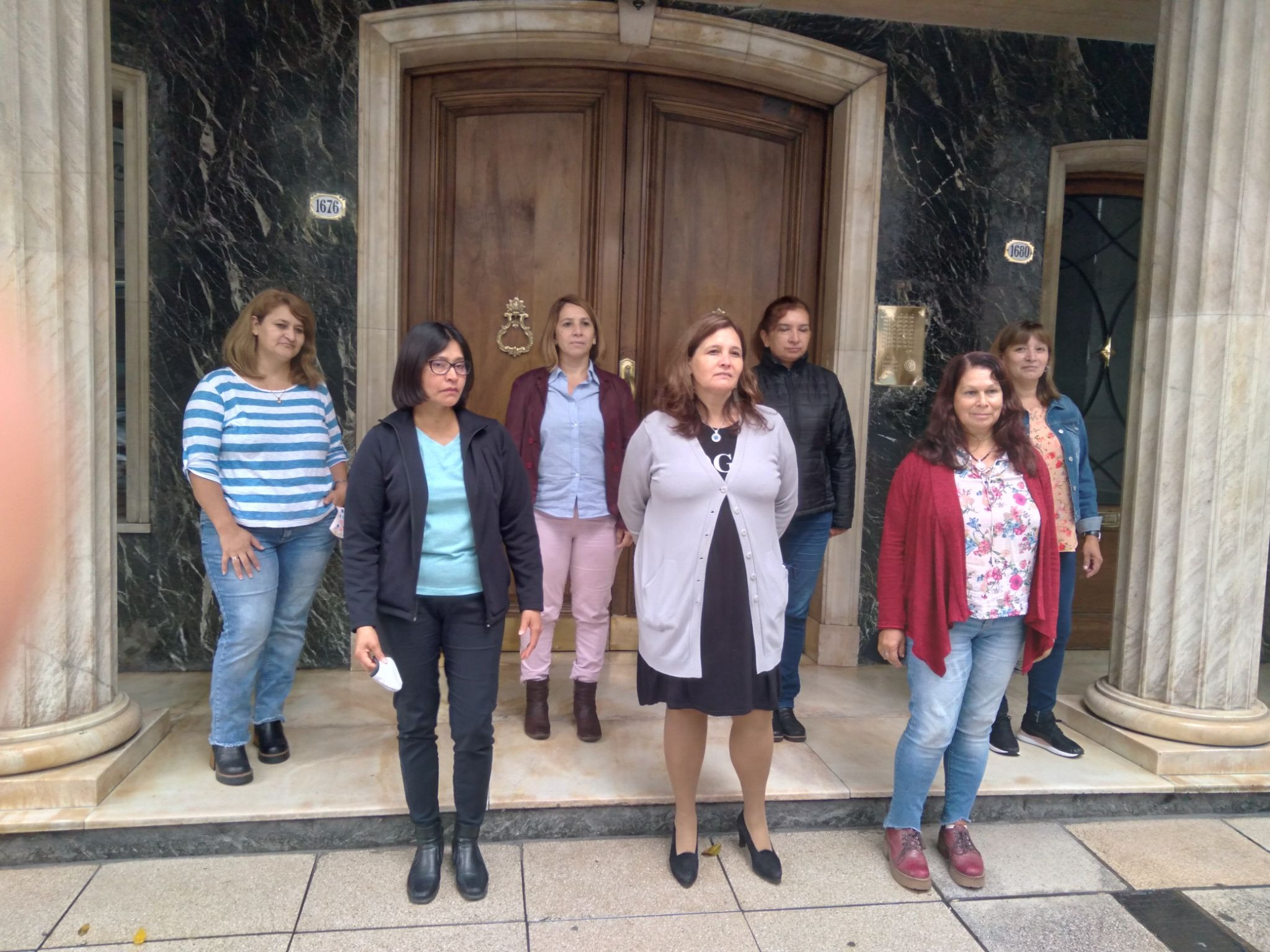
The global crisis facing Opus Dei began in 2021, when a collective of 43 women—mostly from Argentina, with others from Paraguay, Bolivia, and Uruguay—stepped forward to expose a system of "spiritualized" exploitation that had operated in the shadows for decades. Their testimonies painted a harrowing picture: young women from poor backgrounds were recruited under the guise of religious vocations, only to be turned into unpaid or underpaid domestic labor for the organization’s elite.
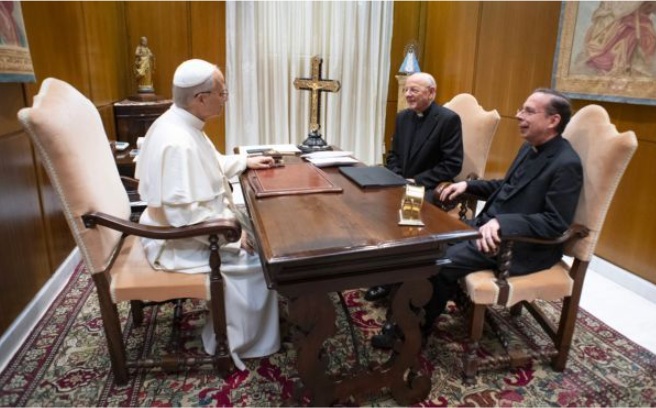
In 2024, the Argentine Federal Justice system took a monumental step, accusing top regional authorities of the Opus Dei—including one of the highest-ranking officials globally—of human trafficking for the purpose of labor exploitation. This legal reckoning has sent shockwaves through the Vatican. Under pressure, Pope Francis intervened in 2022, ordering the organization to reform its statutes—the first such intervention in its nearly century-long history of unchecked power.
Chronology of a Life Entrapped
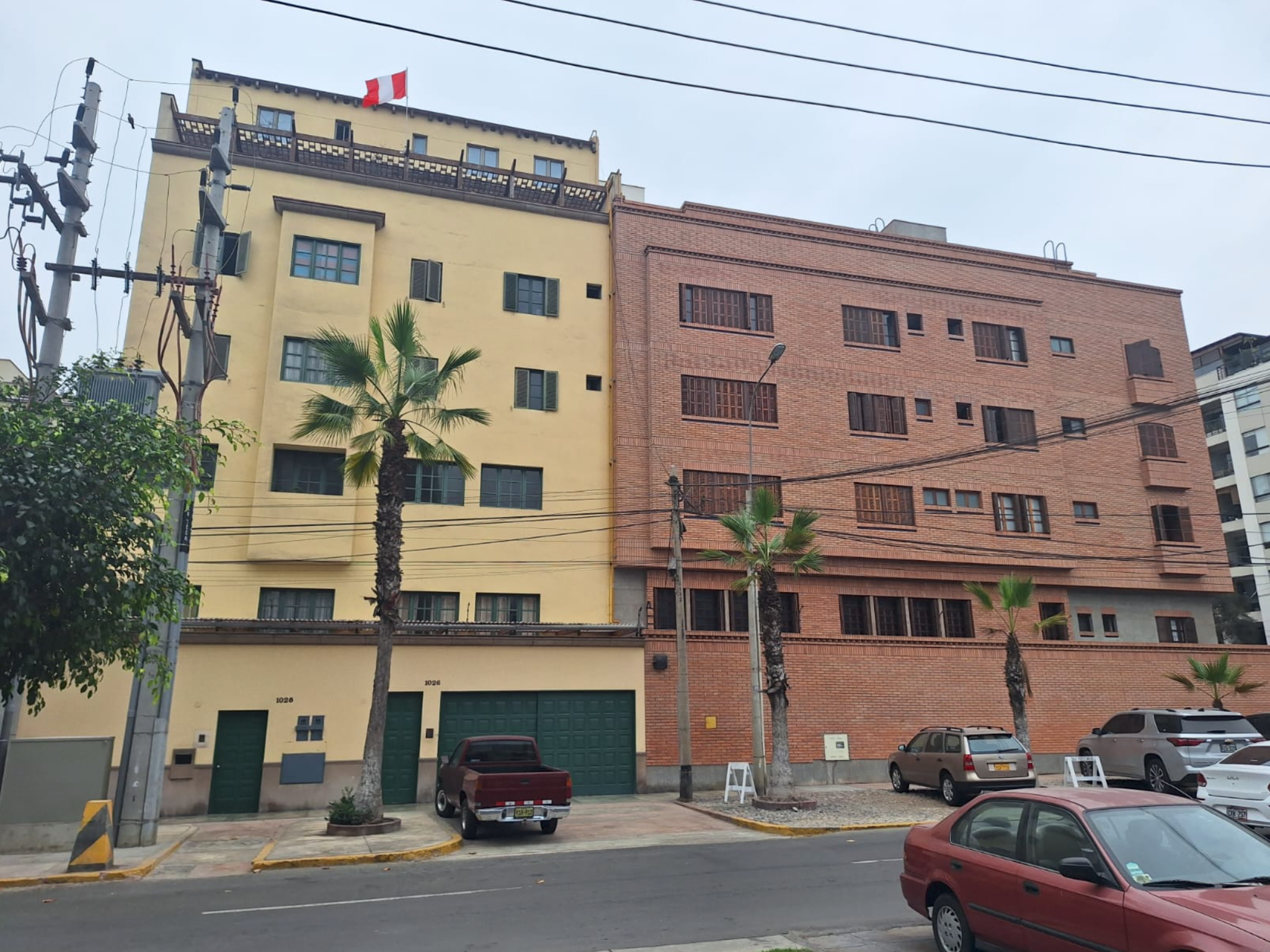
María Minga’s journey began in Machay, a small village in the Peruvian region of Piura. Raised in a large family of farmers, her path to the “Obra” (the Work) was paved with vulnerability. At 16, she moved to Lima, seeking education and stability. Instead, she found herself working in private homes without pay or schooling. Her eventual encounter with the Opus Dei at a center in Miraflores felt like a lifeline.
“There were many young girls like me, especially from the interior of Peru,” she recalls. “They told me about my divine vocation. I told the priest I wanted to marry and have children, but he called me selfish and ungenerous with God.”
In August 2005, at age 22, María Minga signed her letter of admission. She became a “numerary auxiliary,” a category reserved for poor women who are tasked with the domestic maintenance of Opus Dei centers.
The Routine of Subjugation
Once admitted, her life was governed by the “Plan of Life.” This included:
- Physical Penance: The use of the "cilice"—a spiked metal garter worn for two hours daily—and the "disciplines"—a rope whip used for self-flagellation on Saturdays.
- Isolation: A total lack of contact with men, despite living in buildings where hundreds of male members resided.
- Financial Dispossession: Total surrender of all labor income to the organization.
- Total Obedience: Absolute submission to the directions of the superiors.
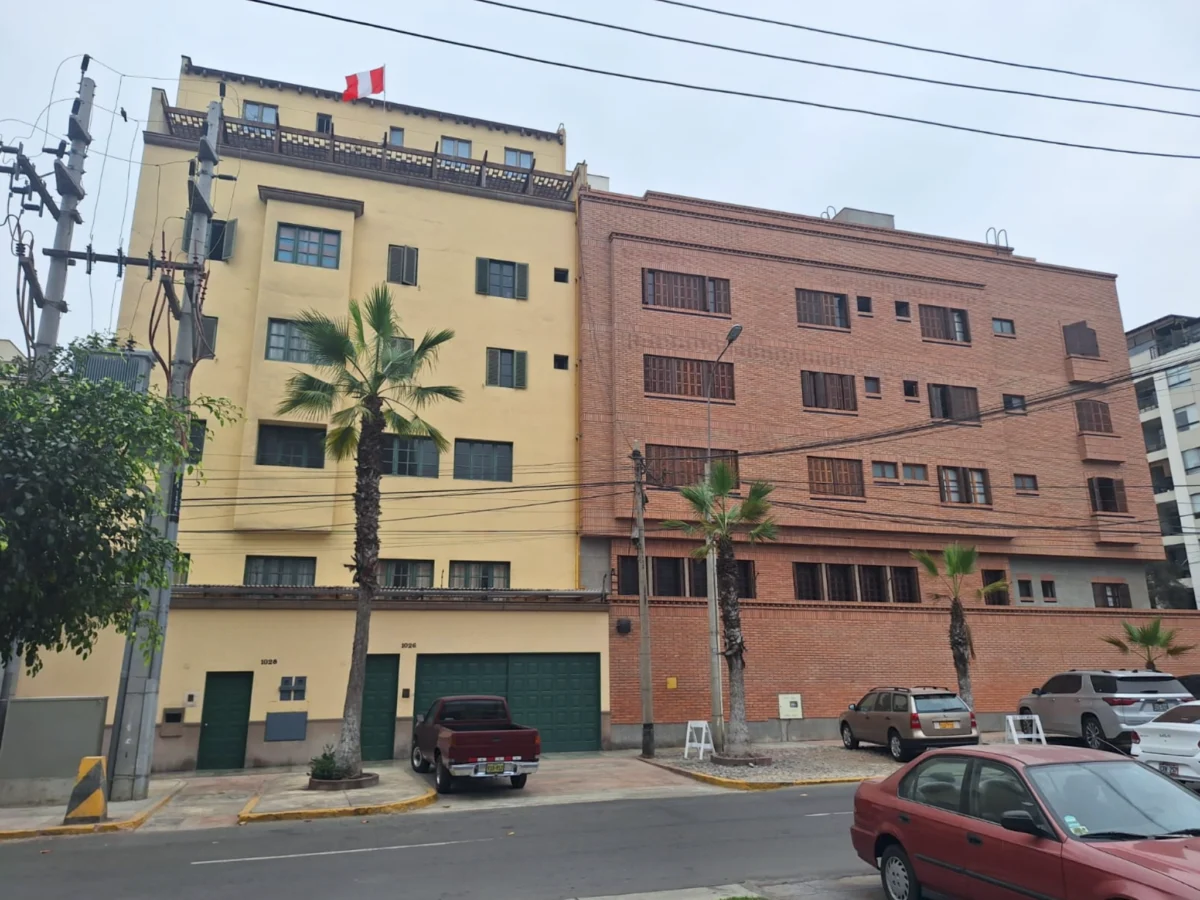
Between 2006 and 2011, María worked in Lima. In 2011, she was sent to Rome, the heart of the organization’s power. There, she lived in Villa Sachetti, part of the Villa Tevere complex, where she cooked and cleaned for the global leadership of the organization.
Supporting Data: Labor Without Remuneration
The financial mechanics of the Opus Dei regarding its auxiliaries are a focal point of current legal investigations. For the vast majority of her 17 years, María Minga received no salary. Any money generated by her work was funneled directly into the institution’s administration.
It was not until 2021, as global scrutiny intensified following the Argentine revelations, that the organization began to register some auxiliaries with bank accounts and debit cards. Even then, the money was often effectively clawed back. María recounts a specific instance where she was handed a salary of 1,600 soles, only to be forced to hand it over in its entirety to her superiors.
Furthermore, medical care was inconsistent. While she received decent treatment during her time in Italy, in Peru, she often suffered from exhaustion and untreated physical ailments. The psychological toll was severe; María recalls witnessing other young women suffering from deep depression, only to be told by superiors that they were merely “seeking attention.”
The Breaking Point: A Search for Humanity
The turning point came in 2020 at the Instituto Condoray, an educational center in Cañete. Overwhelmed by physical fatigue and systemic indifference, María Minga requested to study computer science to improve her skills. Her request was denied on the grounds that there was "too much work to do."
"I realized that this wasn’t a path to God; it was a path to exhaustion," she says. After two years of personal struggle and seeking outside psychological counsel, she finally decided to leave in 2022. The departure process was designed to be terrifying. Superiors warned her that she was "failing God" and that she would never be happy outside the organization.
"When you leave, you have nothing," María explains. "No money, no professional history, no connection to the outside world. They take your youth and leave you to start from zero at 40."
Official Responses and Institutional Silence
The Opus Dei, known for its formidable public relations apparatus, has remained largely defiant or silent regarding these specific allegations. In Peru, the organization’s communication office, led by Carlos Enríquez, declined to comment or grant an interview for this report.
Internationally, the organization maintains that it is undergoing a process of "renewal" and "dialogue" with the Vatican. However, victims’ groups, such as Ending Clergy Abuse (ECA), argue that the changes are largely cosmetic and that the fundamental structure of the organization—which relies on the unpaid labor of the most vulnerable—remains intact.
Implications: The Quest for Justice
The testimony of María Minga is more than a personal narrative; it is a piece of evidence in an ongoing global legal challenge. The implications for the Opus Dei are profound:
- Legal Liability: As the Argentine case progresses, the potential for similar litigation in Peru, Spain, and other countries grows. If the organization is found guilty of human trafficking and labor exploitation, it could lead to the loss of its legal status in various jurisdictions.
- Vatican Reform: The ongoing revision of the Opus Dei’s statutes under the current papacy remains a high-stakes geopolitical battle within the Church. The survival of the order as it currently exists is increasingly in question.
- Human Rights: The case highlights a broader, uncomfortable reality regarding the intersection of religious power and labor rights. It challenges the legal loophole that allows religious institutions to classify domestic labor as "voluntary service," thereby bypassing minimum wage, pension, and social security laws.
"I want to speak out so that justice is served," María Minga concludes. "Too many women have been violated, and the Opus Dei has taken advantage of our vulnerability. It gives me nausea to think about it now. I do this for justice, and I do this for humanity."
As María waits for her documents to be processed in Italy, her voice joins a growing chorus that can no longer be silenced by the "heroic minute" or the walls of the administración. The era of the silent servant is coming to an end, and for the Opus Dei, the day of reckoning is only just beginning.