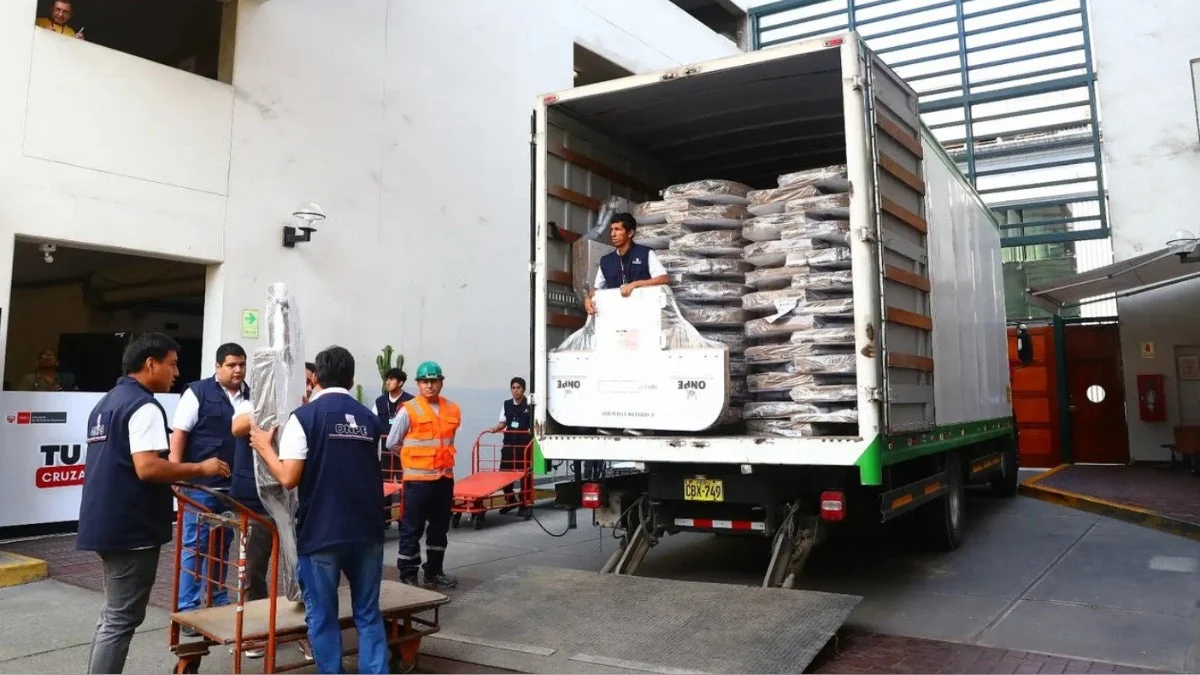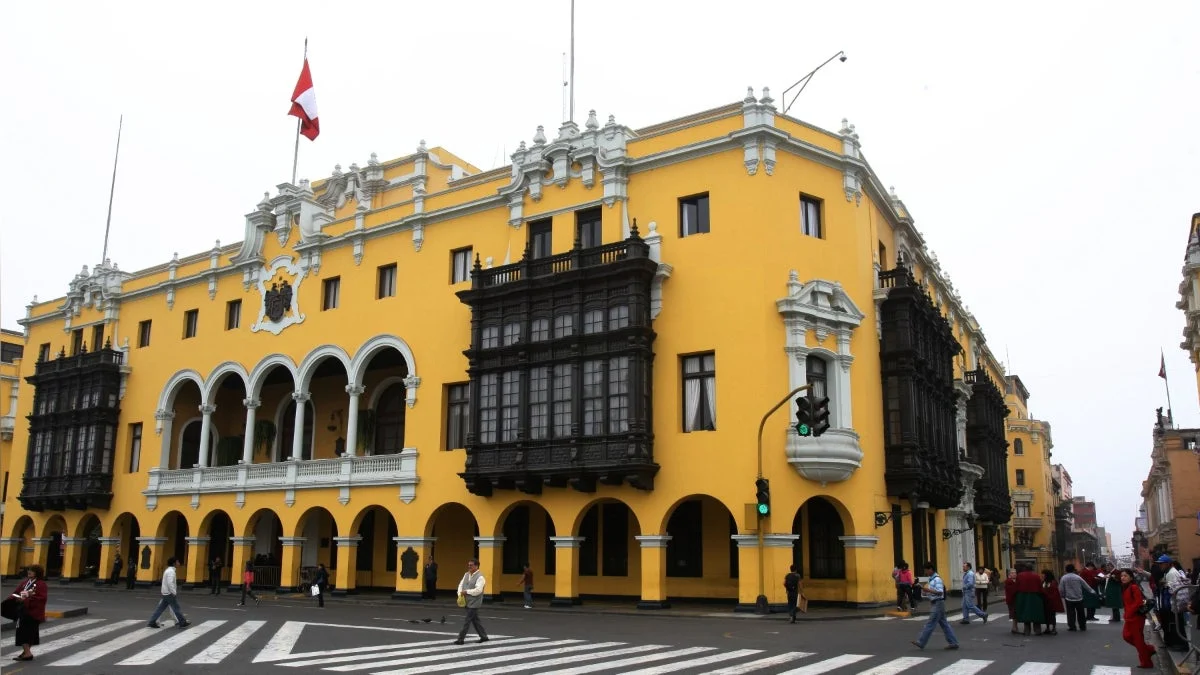
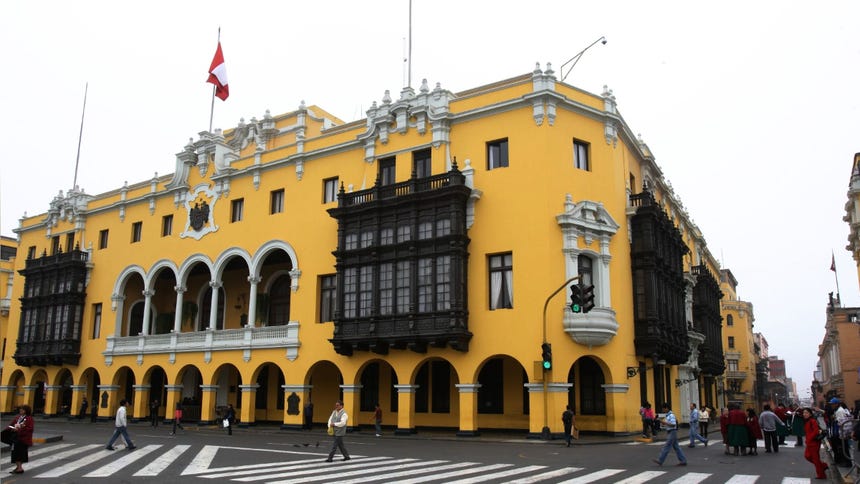
As the electoral dust settles following the October 4th Regional and Municipal Elections in Peru, the capital city remains the epicenter of political tension. With over 92% of the votes processed, the battle for the Mayoralty of Lima has intensified, setting the stage for a dramatic conclusion to the 2026 electoral cycle.
1. Executive Summary: The Current Landscape
The Office of National Electoral Processes (ONPE) continues its meticulous task of tallying votes from the 2026 Regional and Municipal Elections held across Peru this past Sunday. In the high-stakes contest for the Mayoralty of Lima Metropolitan, the political landscape remains fluid but currently favors the incumbent-aligned party, Renovación Popular.
As of the latest official update, with 92.710% of actas (tally sheets) processed, the political landscape is defined by a narrow margin between the top two contenders. While the trend suggests a lead for the party of current leadership, the proximity of the runner-up ensures that the final declaration will be subject to intense scrutiny until the last ballot is accounted for.
2. Chronology of the Electoral Process
The electoral journey of 2026 reached its zenith on Sunday, October 4, when millions of citizens across the nation headed to the polls. The process, marked by high turnout in urban centers like Lima, saw citizens electing not just municipal leaders, but also regional governors.
- October 4 (Election Day): Voting centers opened at 7:00 AM across the country. Following the closing of polls at 5:00 PM, initial "boca de urna" (exit poll) data began to circulate, hinting at a competitive race.
- October 5 (The Count Begins): By early morning, the ONPE began releasing real-time updates via their digital platform, allowing the public to monitor the progression of the count.
- October 5 (Mid-Day Update): With the count surpassing the 90% threshold, the statistical gap between the leading candidates became the primary focus of national political analysts and the media.
- Current Status: The nation is now in a waiting period, as the Jurado Nacional de Elecciones (JNE) prepares for the final stage of the process, which involves resolving any potential challenges or impugned tally sheets.
3. Data Breakdown: The Race for Lima
The numbers provided by the ONPE as of October 5 provide a clear snapshot of the voter sentiment in the capital. The race is dominated by a clear hierarchy, yet the competition for the second and third positions reflects a deeply fractured political field.
Current Vote Distribution:
- Renovación Popular: 27.703%
- Avanza País (Francis Allison): 26.841%
- Carlos Bruce: 15.087%
- Daniel Urresti: 8.008%
- Alianza para el Progreso (Elio Riera): 4.325%
- Ahora Nación (Susel Paredes): 3.573%
- Fuerza Popular (Samuel Daza): 2.616%
- Acción Popular (Alberto Tejada): 2.414%
The delta between Renovación Popular and Avanza País—less than one percentage point—underscores the volatility of the situation. Every remaining tally sheet from the remote or contested districts could potentially shift the final outcome.
4. Official Responses and Institutional Timeline
The transparency of the process has been a focal point for the authorities. Roberto Burneo, President of the Jurado Nacional de Elecciones (JNE), has been proactive in managing public expectations regarding the final certification of the results.
The Roadmap to Finality
In a recent press conference, President Burneo provided a clear timeline for the completion of the electoral process:
"We have established concrete deadlines. By October 28 at the latest, we expect to complete the reconciliation and counting processes. We estimate that by the first days of November, we will have official results for both regional and local governments, regardless of the complexity of the specific cases."
This timeline is crucial for maintaining democratic stability. By setting a hard deadline for the end of October, the JNE aims to prevent the "limbo" that often follows close municipal races, where uncertainty can lead to social unrest or challenges to the legitimacy of the incoming administration.

5. Implications for the Future of Lima
The 2026 election results are more than just a tally of votes; they represent a referendum on the current administration’s management of Lima.
Governance and Coalition Building
Regardless of who claims victory, the incoming Mayor will face a fractured City Council. With the top candidates receiving disparate percentages, the winner will lack an absolute majority, necessitating the formation of strategic alliances to pass legislation and budget allocations.
The Role of Independent Candidates
The presence of figures like Susel Paredes and the moderate performance of traditional parties like Acción Popular suggest that the Lima electorate is looking for alternatives beyond the established political blocs. The fragmentation of the vote indicates that the "Lima of the future" will require a leader capable of reconciling the diverse demands of the capital’s 43 districts.
Voter Obligations and Civic Duty
The election also highlighted the importance of civic participation. The JNE has reminded citizens that failure to vote or to fulfill the role of a poll worker (miembro de mesa) carries significant financial penalties. As the country moves toward the final certification, the focus on electoral integrity—ensuring that every vote is counted accurately—remains the highest priority for the ONPE.
6. Analytical Perspective: Why the Margin Matters
Political scientists tracking the 2026 cycle have noted that the closeness of this race is a reflection of the national mood. In previous years, Lima often saw clear frontrunners who established comfortable leads early on. The current tight contest suggests a shift in voter behavior, where personal brand and specific district-level policy proposals are gaining more weight than party labels.

If Renovación Popular maintains its lead, it will be viewed as a validation of their current municipal policies. Conversely, should the final count tip toward Francis Allison, it would represent one of the most significant upsets in the history of Lima’s municipal elections, signaling a desire for a change in administrative style.
7. Conclusion: The Final Stretch
As the nation waits for the final 7% of the tally sheets to be processed, the atmosphere in Lima remains one of cautious anticipation. The ONPE’s digital portal remains the only verified source of information, and citizens are urged to rely on official channels to avoid the spread of misinformation during this critical phase.
The transition of power in the capital is a vital component of Peru’s democratic health. By early November, the identity of the next leader of Lima will be confirmed, closing a chapter of intense campaigning and opening a new era of municipal governance. For now, the tallying continues, and every percentage point counts in the defining struggle for the nation’s political heart.
For real-time updates and detailed breakdowns of regional results, please visit the official ONPE website or monitor the RPP election map, which provides a district-by-district analysis of the ongoing count.