
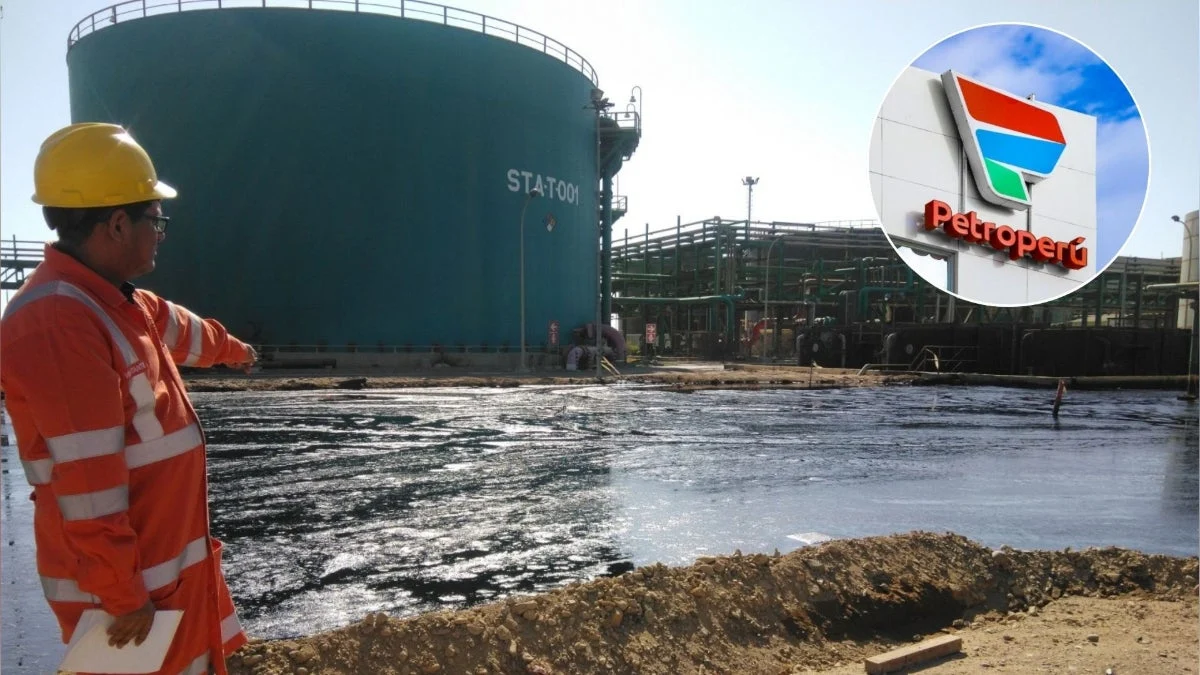
Executive Summary: A Facility Under Siege by Neglect
The Comptroller General of the Republic (Contraloría General de la República) has issued a stern warning regarding the operational integrity and environmental safety of the Talara Refinery in Piura, Peru. Following a comprehensive control visit conducted between August 19 and August 25, 2026, the oversight body identified a series of alarming deficiencies that threaten to paralyze the facility should intense rainfall—linked to the recurring El Niño Phenomenon (FEN)—strike the region.
The findings, detailed in Control Visit Report No. 015-2026-OCI/0084-SVC, paint a picture of an aging infrastructure suffering from deferred maintenance, compromised structural integrity, and an incomplete strategy for environmental remediation. From the presence of stagnant, oil-contaminated water to the structural decay of the historic Overales Pipeline, the risks highlighted are not merely administrative—they are existential threats to one of Peru’s most critical energy assets.
Chronology of Inspections and Findings
The scrutiny by the Comptroller’s office was not an isolated event but rather a systematic effort to audit Petroperú’s preparedness for the volatile climate patterns expected in the coming months.
- Mid-August 2026: Preparatory assessments identify potential vulnerabilities in the Talara facility’s drainage and structural systems.
- August 19–25, 2026: The official Control Visit is executed. Inspectors gain access to the refinery’s pump houses, the Overales Pipeline corridor, and the new submarine line infrastructure.
- September 2026: The formal report (No. 015-2026-OCI/0084-SVC) is finalized and delivered to Petroperú’s leadership, outlining specific failures and demanding immediate corrective action.
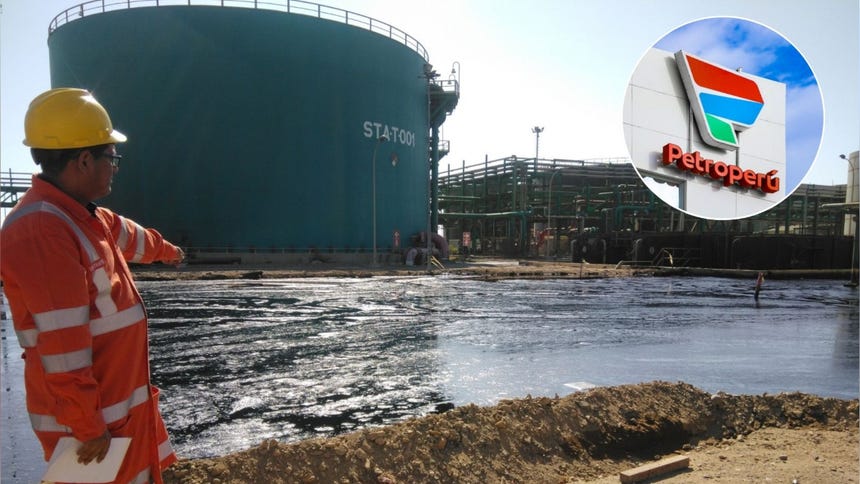
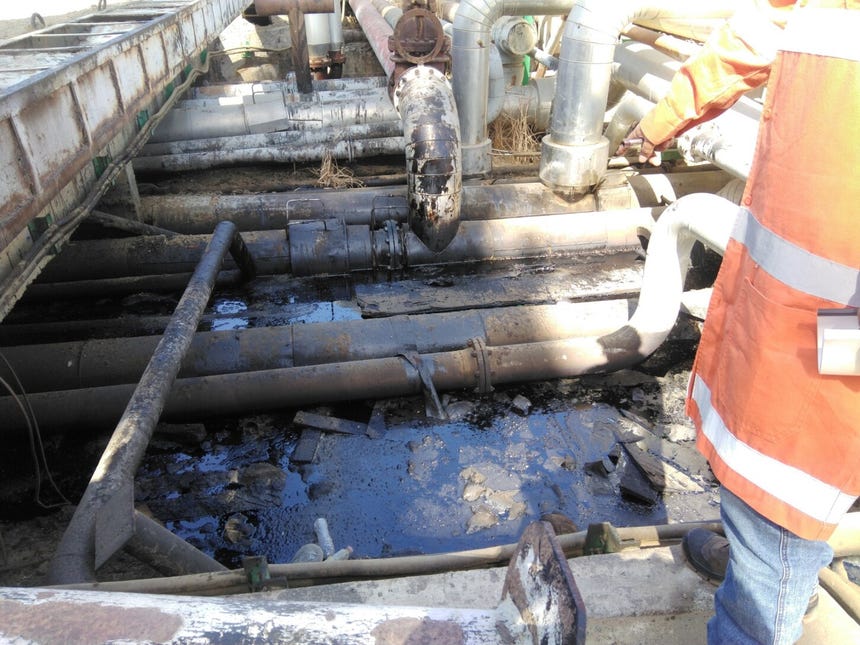
The audit revealed a disturbing lack of urgency regarding environmental cleanup, particularly in the zone surrounding the main rack of Pump House 5 and the former API Separator. Despite existing protocols, inspectors found the areas still contaminated with oily water, a condition that poses a severe hazard when subjected to heavy rains, which could facilitate the migration of hydrocarbons into neighboring, unaffected operational zones.
Supporting Data: Infrastructure in Decline
The technical assessment of the facility’s physical assets reveals a pattern of degradation that suggests a long-term lapse in preventative maintenance.
The Overales Pipeline: A Relic at Risk
The Overales Pipeline, which serves as a vital artery for crude transport, has been in operation since 1975. Covering 9.34 kilometers, the pipeline is now a primary point of concern. Auditors noted:
- Structural Decay: Concrete bases and support structures have suffered significant deterioration over the decades.
- Buried Supports: Accumulation of debris and soil has left several supports partially buried, rendering them ineffective at bearing the weight of the conduit.
- Lack of Contact: Certain segments of the pipe have lost physical contact with their support structures, creating dangerous stress points along the pipeline.
The Comptroller warns that the combination of soil erosion, potential ground subsidence, and structural failure could result in catastrophic pipe displacement or deformation. Should a seismic or climatic event occur, these vulnerabilities could lead to major crude oil leaks, resulting in irreversible environmental damage and immense financial liability.
Submarine Line and Drainage Failures
The infrastructure supporting the refinery’s new submarine line also fell under the inspectors’ lens. Two critical retaining walls flanking the line show clear signs of structural fatigue, including significant cracking and the surface spalling of concrete. These walls are the primary defense against environmental stressors; their current state suggests they would be unable to withstand the pressure of flooding or heavy storm surges.
Furthermore, the refinery’s pluvial drainage system—designed to channel heavy rainfall away from sensitive equipment—is currently obstructed by silt, sediment, and dense vegetation. If these channels remain uncleared, the refinery faces a high probability of internal flooding during the El Niño season.
Operational Impairment: The Motobump Crisis
One of the most concerning aspects of the report is the status of the refinery’s motobumps. These machines are essential for emergency response, including flood mitigation and fire suppression.
The audit found that Petroperú had failed to secure a maintenance contract for these vital units after the previous contractor’s services were terminated due to performance breaches. As of the end of August, the facility was operating without a clear maintenance plan for these pumps. This gap in operational readiness means that if the refinery is struck by an emergency, the very equipment designed to safeguard the facility may be non-functional, significantly increasing the risk of a total operational shutdown.
Implications: A Looming Economic and Ecological Disaster
The implications of the Comptroller’s report extend far beyond the walls of the refinery. For Petroperú, the stakes are twofold:
- Environmental Liability: The expansion of hydrocarbon-contaminated zones during the rainy season could lead to massive soil and groundwater contamination. In a region like Piura, where ecosystems are fragile and agricultural sectors are sensitive to water quality, the repercussions would be severe.
- Financial Destabilization: Petroperú, already under intense public and fiscal scrutiny, cannot afford the potential losses associated with a major pipeline rupture or a refinery shutdown. The cost of emergency repairs—if forced to act during a natural disaster—is exponentially higher than the cost of the proactive maintenance currently being neglected.
Official Responses and Path Forward
The Comptroller General’s office has formally requested that the President of Petroperú be briefed on these findings with the highest level of priority. The mandate is clear: immediate implementation of a recovery and protection plan.
Recommended Corrective Actions:
- Immediate Environmental Remediation: Expedite the cleanup of all oily water in the Pump House 5 and API Separator zones before the onset of the next rain cycle.
- Structural Reinforcement: Conduct an emergency engineering assessment of the Overales Pipeline and initiate the repair of compromised supports and concrete bases.
- Hydraulic Clearing: Deploy maintenance crews to clear all drainage channels, ensuring they are free of debris and vegetation to handle maximum discharge levels.
- Contractual Resolution: Fast-track the procurement process to select a new, reliable contractor for the maintenance of critical motobump systems.
The ball is now in Petroperú’s court. The company must transition from a reactive management style to a rigorous, preventative maintenance culture. The Talara Refinery remains a cornerstone of the national economy, but without urgent intervention to address these identified risks, the facility remains a disaster waiting to happen. The coming months will determine whether the company has the capacity to rectify these failures or if it will face the consequences of inaction in the face of an inevitable climate challenge.
Disclaimer: This report is based on the findings documented in the Control Visit Report No. 015-2026-OCI/0084-SVC of the Comptroller General of the Republic of Peru. All information reflects the status of the facility as of the inspection period in August 2026.