By Editorial Staff, Peru Construye
The Ministry of Health (Minsa), through the National Health Investment Program (Pronis), has officially commenced the construction of the perimeter fence at the site designated for the long-awaited San Juan de Lurigancho (SJL) Hospital. This critical step serves as the foundational move to secure the land and pave the way for what is set to be one of the most significant healthcare infrastructure projects in the history of the Lima metropolitan area.
For years, the residents of San Juan de Lurigancho—the most populous district in Peru—have faced systemic challenges in accessing specialized medical care. The initiation of these preliminary works signals a turning point in the government’s commitment to bridging the gap in public health service delivery.
The Strategic Importance of the Perimeter Fence
The construction of the perimeter fence is not merely a symbolic gesture of land ownership; it is a vital operational requirement for the security and integrity of the project site. Executed by the Consorcio Lurigancho, the contract entails an investment of S/ 796,572.52 and is scheduled for completion within a 60-day calendar period.
Securing the perimeter is essential to protecting the site from potential encroachment and creating a controlled environment for the engineering, geotechnical, and environmental teams that will soon begin the complex technical studies required for the hospital’s design. By delineating the boundaries of the facility, Pronis ensures that subsequent construction phases can proceed without the legal or physical complications that have plagued similar public infrastructure projects in the past.

Chronology: From Obstruction to Progress
The journey toward the realization of the SJL Hospital has been marked by significant hurdles, most notably the legal and social challenges surrounding the occupation of the designated plot of land.
- The "La Cachina" Obstacle: For a prolonged period, the site—colloquially known as "La Cachina"—was occupied by informal commercial activities. This unauthorized usage hindered the Ministry of Health from conducting the necessary topographical and soil studies required for a high-complexity hospital project.
- The 2025 Liberation: September 2025 stands as a watershed moment in the project’s timeline. Following intense inter-institutional coordination and the successful resolution of land-use disputes, the site was officially cleared of informal occupants. This administrative victory allowed Pronis to regain full control of the property.
- The Current Phase (2026): With the site now clear, the focus has shifted to the physical enclosure. The ongoing construction of the fence represents the first tangible evidence of progress since the land was reclaimed, setting the stage for the bidding and construction phases of the main hospital building.
Supporting Data: A Hospital for Over 850,000 Citizens
The magnitude of the San Juan de Lurigancho Hospital project is immense, reflecting the urgent needs of the district’s massive population. With over 850,000 residents, the district has historically relied on smaller health centers that are ill-equipped to handle high-complexity cases.
Infrastructure and Capacity
- Total Investment: The projected cost for the hospital exceeds S/ 680 million, a massive allocation of public funds that underscores the national priority assigned to this project.
- Classification: The facility will operate under a II-2 category, indicating a high-complexity hospital capable of providing specialized care that currently necessitates long, expensive commutes to central Lima.
- Clinical Offerings: The design includes state-of-the-art units for:
- Oncology Services: Dedicated facilities for chemotherapy.
- Renal Care: Specialized hemodialysis units.
- Critical Care: Advanced Intensive Care Units (UCI) to treat life-threatening conditions.
- Surgery: A comprehensive surgical center equipped for high-risk operations.
- Emergency and Pediatrics: A robust emergency wing with specialized pediatric care.
- Support Services: Full-service blood banks and advanced physical medicine and rehabilitation centers.
Implications: A Shift in the Healthcare Landscape
The construction of this hospital will have profound implications for the social and economic fabric of San Juan de Lurigancho. Currently, the district faces a "healthcare deficit," where the demand for specialized consultations and surgical interventions far outstrips the existing supply.
Improving Access to Care
By bringing a category II-2 hospital to the doorstep of the district’s residents, the government is effectively decentralizing healthcare. This move will significantly reduce the "out-of-pocket" costs for families who currently spend significant portions of their income on transportation and private consultations for specialized care that the public system cannot provide locally.
Economic Impact
The investment of S/ 680 million is expected to stimulate the local economy during the construction phase, creating hundreds of direct and indirect jobs for local workers and service providers. Once operational, the hospital will require a large staff of medical, administrative, and maintenance professionals, fostering long-term professional development opportunities within the community.

Official Stance and Future Outlook
While the perimeter fence marks the beginning, both the Ministry of Health and Pronis have emphasized that this is only the first step in a multi-stage process.
According to official statements, the project is moving through the necessary administrative and technical phases as efficiently as possible. The "liberation" of the land was the primary bottleneck; with that hurdle removed, the path is now clear for the development of the final engineering designs, followed by the main construction tender.
"The construction of the perimeter fence is a testament to our commitment to the citizens of San Juan de Lurigancho," a spokesperson for Pronis noted. "We have moved from administrative planning to the physical transformation of the site, ensuring that the dream of a fully-equipped hospital is becoming a reality."
As the 60-day deadline for the fence construction approaches, eyes will remain fixed on the Ministry’s next steps. The community, which has long advocated for this facility, remains cautiously optimistic that the current momentum will lead to the laying of the first stone for the main hospital structure in the near future.
Beyond SJL: A Broader Trend of Infrastructure Growth
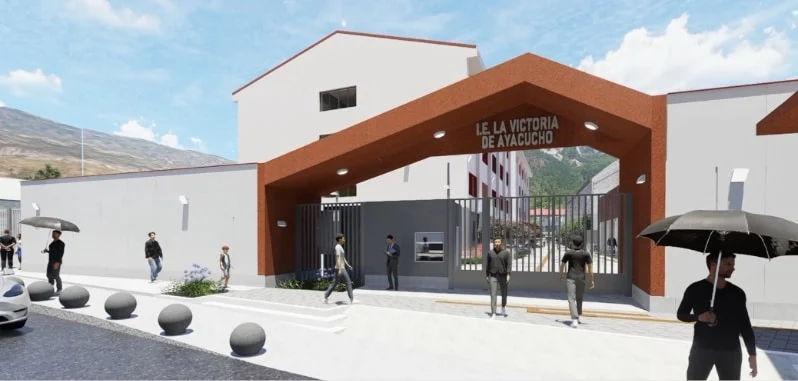
It is worth noting that the SJL Hospital project is part of a wider trend of infrastructure development across Peru. In parallel, the government is investing heavily in other sectors, such as education, as evidenced by the concurrent project in Huancavelica, where a new infrastructure for the La Victoria de Ayacucho school is slated to receive an investment of over S/ 134 million.

These projects reflect a broader national strategy to invest in the basic infrastructure required to drive human development. By focusing on both health and education, the state is addressing the two pillars of social mobility, aiming to provide a better quality of life for all Peruvians, from the densely populated districts of Lima to the rural provinces of the highlands.
Looking Ahead
The path forward for the San Juan de Lurigancho Hospital is now clearly defined. As the fence rises around the former site of "La Cachina," the wall between the residents and their right to high-quality healthcare is finally beginning to crumble. The coming months will be crucial as Pronis moves to finalize the structural designs, ensuring that the hospital meets the highest international standards of medical care and structural safety.
For now, the focus remains on the 60-day window. With the support of the community and the continued oversight of the Ministry of Health, this milestone is a beacon of hope for a district that has waited far too long for a healthcare solution of this caliber.
For more information on the progress of the San Juan de Lurigancho Hospital and other major infrastructure projects, stay tuned to our ongoing coverage on Peru Construye.