TACNA, Peru – In a significant move to reshape the regional energy landscape and bolster industrial competitiveness, the Regional Government of Tacna and the Regional Public Electricity Service Company (Electrosur S.A.) have announced a strategic partnership. The initiative, spearheaded by Regional Governor Luis Torres Robledo and Electrosur Board President Pedro Enrique Noriega Barraza, seeks to integrate clean energy solutions across the region while upgrading critical electrical infrastructure in the ZofraTacna industrial zone.
Main Facts: A Dual-Track Strategy
The agreement, finalized during a high-level coordination meeting at the regional governor’s headquarters, rests on two primary pillars: the mass adoption of renewable energy technologies and the modernization of electrical distribution systems to attract private investment.
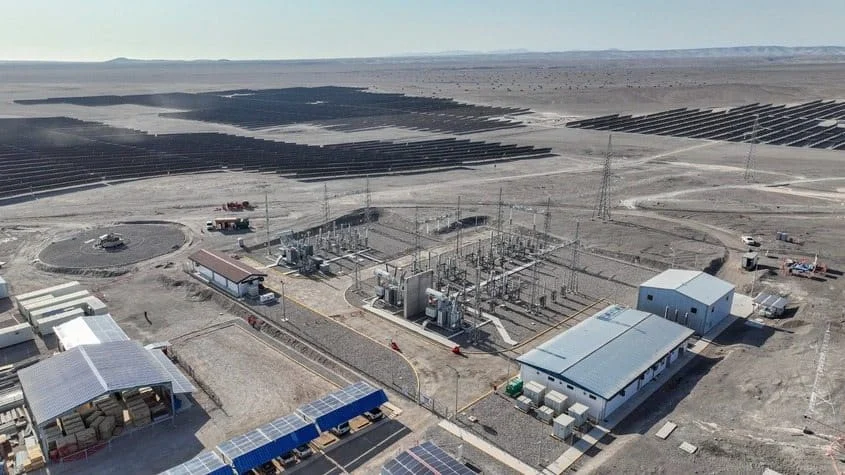
The core of the initiative involves the implementation of photovoltaic (PV) solar technology. By installing solar cells in public institutions, schools, and government buildings, the regional administration aims to reduce the public sector’s carbon footprint while optimizing energy costs. Simultaneously, the modernization of ZofraTacna’s electrical grid is designed to provide a stable, high-capacity power supply, which is a fundamental requirement for the over 260 hectares of land dedicated to industrial activity and international commerce within the zone.
Chronology of the Initiative
The collaboration follows months of preliminary dialogue between regional authorities and utility stakeholders.
- Initial Consultations: Regional officials identified energy instability as a bottleneck for new industrial projects in ZofraTacna.
- The High-Level Summit: On the morning of the formal meeting, Governor Luis Torres Robledo and Pedro Enrique Noriega Barraza convened to align institutional interests.
- The Agreement: The parties reached a consensus on a forthcoming formal cooperation agreement. This agreement serves as the legal framework for the joint energy projects.
- Next Steps: Under the guidance of General Manager Jaime Carpio Camacho, the regional government has initiated a tracking mechanism to ensure that the transition from policy to physical installation remains on schedule.
Supporting Data and Technical Context
The shift toward photovoltaics in Tacna is not merely a policy trend but a logical response to the region’s geography. Tacna possesses some of the highest levels of solar radiation in South America, making it an ideal candidate for large-scale solar integration.

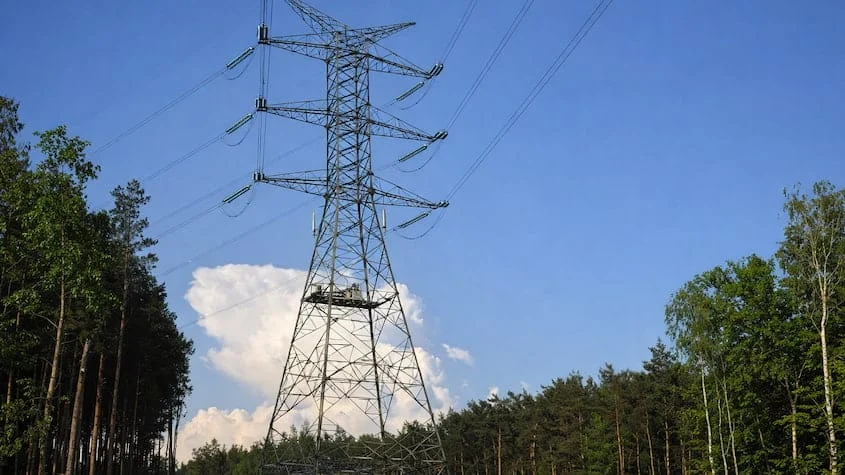
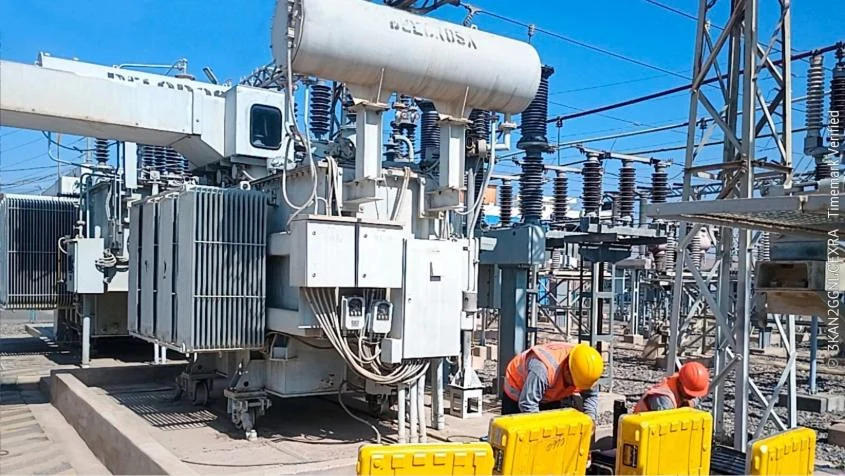
Regarding ZofraTacna, the current infrastructure faces the challenge of keeping pace with modern industrial demands. Providing a robust electrical backbone is expected to lower operational barriers for domestic and international firms. As of the latest regional economic reports, ZofraTacna functions as a vital engine for local employment, and the enhancement of its electrical capacity is viewed as a "force multiplier" for job creation.
Beyond the energy agenda, the meeting also touched upon social infrastructure. Pedro Enrique Noriega Barraza, wearing his hat as a member of the Tacna Beneficencia board, pushed for the acceleration of land transfer procedures. This secondary initiative aims to secure a designated site for a new regional cemetery, addressing a growing humanitarian need in the city.
Official Responses and Institutional Vision
The Governor’s Perspective
Governor Luis Torres Robledo emphasized that the partnership with Electrosur is central to his administration’s "Development and Sustainability" mandate. "Our objective is twofold," the Governor stated. "We are committed to improving the daily quality of life for the people of Tacna by embracing clean energy, and we are equally committed to ensuring that our industrial hubs, like ZofraTacna, are equipped to compete globally. Energy is the lifeblood of economic development."
The Utility’s Stance
Pedro Enrique Noriega Barraza highlighted the technical synergy of the project. "Electrosur is prepared to provide the necessary engineering and distribution expertise to ensure that these solar initiatives are not just symbolic, but functionally integrated into our regional grid," he noted. He underscored that the company’s focus remains on grid resilience—ensuring that businesses in ZofraTacna experience minimal downtime and consistent voltage.
Administrative Oversight
Jaime Carpio Camacho, the General Manager of the Regional Government, has been tasked with the logistical oversight of the partnership. According to the internal mandate, Carpio will coordinate with the legal and engineering departments of both the regional government and Electrosur to draft the technical specifications for the solar installations and the power grid upgrades.

Implications for the Tacna Region
1. Environmental and Social Impact
The adoption of solar energy across public buildings will serve as a pilot program for the wider community. If successful, the government plans to offer incentives for residential and private-sector adoption of solar technology. This shift will contribute significantly to the reduction of greenhouse gas emissions in Tacna, positioning the city as a leader in regional environmental stewardship.
2. Industrial Competitiveness
ZofraTacna is a crucial node in Southern Peru’s economic network. By upgrading the electrical infrastructure, the region effectively lowers the entry cost for high-tech industries and automated manufacturing plants that require reliable, clean power. This infrastructure upgrade is expected to attract significant foreign direct investment (FDI) over the next three to five years.
3. Strengthening Local Governance
The inter-institutional coordination between the Regional Government and Electrosur sets a precedent for how public utilities and regional authorities can work in tandem. By bypassing bureaucratic silos and focusing on a shared set of deliverables, the parties have established a roadmap for future collaborative projects.
4. Addressing Social Infrastructure
The inclusion of the cemetery project highlights the administration’s holistic approach to governance. While energy projects capture the headlines, the resolution of land-use issues for public services like the Beneficencia de Tacna demonstrates an awareness of the social complexities that accompany rapid urban and industrial growth.
Future Outlook: A Sustainable Horizon
As the region prepares for the formal signing of the cooperation agreement, the atmosphere among regional stakeholders remains optimistic. The integration of renewable energy is expected to mitigate the long-term impact of rising energy costs and fossil fuel dependency.

Furthermore, as the project moves into the execution phase, the Regional Government of Tacna intends to conduct public information campaigns to educate citizens on the benefits of the new energy initiatives. The focus will be on transparency, efficiency, and the long-term economic gains of transitioning to a greener, more electrified industrial model.
In conclusion, the collaboration between the Tacna Regional Government and Electrosur represents a proactive strategy to address both the immediate infrastructure needs of the ZofraTacna industrial sector and the long-term environmental goals of the region. By leveraging the natural solar potential of the territory and upgrading the existing electrical grid, Tacna is positioning itself as a modern, forward-thinking hub ready for the challenges of the 21st-century economy. As the project reaches maturity, its success will likely serve as a blueprint for other regional governments across Peru striving to balance industrial expansion with sustainable energy practices.
With the technical planning underway and institutional buy-in secured at the highest levels, Tacna’s energy transition is no longer a concept—it is a firm commitment to the future.