
Lima, Peru – [Insert Date] – The vibrant Peruvian region of San Martín is poised for a significant economic upswing, driven by a concerted effort to attract private investment through strategic diversification and the robust implementation of Public-Private Partnerships (PPPs). The Agency for the Promotion of Private Investment (PROINVERSIÓN), in collaboration with the Chamber of Commerce of San Martín, has unveiled a comprehensive agenda aimed at consolidating the region’s economic development. This initiative zeroes in on key sectors ripe for expansion: agro-industry, tourism, aquaculture, forestry, and Amazonian bioproducts.
The announcement marks a pivotal moment for San Martín, a region historically rich in natural resources and cultural heritage, but one that now seeks to leverage these assets more effectively through private sector engagement. PROINVERSIÓN’s strategic roadmap highlights specific investment opportunities designed to enhance value chains, promote sustainability, and foster innovation, thereby creating a more resilient and prosperous economic landscape for its inhabitants.
Unlocking San Martín’s Potential: Key Investment Opportunities
The strategic vision presented by PROINVERSIÓN and the Chamber of Commerce of San Martín outlines a multifaceted approach to economic growth, with a particular emphasis on adding value to the region’s abundant natural resources and burgeoning tourism potential. The core of this strategy lies in identifying and promoting specific projects within critical sectors that are poised for significant expansion and offer attractive returns for private investors.
Agro-Industry: Cultivating Value from Field to Factory
Within the agro-industry sector, the focus is on moving beyond primary production to establish sophisticated processing capabilities. The plan prioritizes the installation of state-of-the-art processing plants for high-value commodities such as cacao, coffee, derivatives of oil palm, and native fruits. This vertical integration strategy is designed to capture a greater share of the value chain, transforming raw materials into finished and semi-finished products that can command higher prices in both domestic and international markets.
Crucially, the initiative also emphasizes the development of essential infrastructure to support these processing activities. This includes the establishment of modern collection centers to ensure efficient procurement of raw materials, the implementation of cold chain networks to maintain product quality and extend shelf life, and the pursuit of origin certifications and traceability systems. These measures are vital for meeting the stringent quality standards demanded by global markets and for building consumer trust in San Martín’s agricultural produce. By investing in these areas, San Martín aims to position itself as a leading producer of premium agro-industrial goods, fostering job creation and economic growth at the local level. The diversification of export products and the enhancement of value-added processing are seen as cornerstones for achieving sustainable economic development and reducing the region’s reliance on primary commodity exports.
Tourism: Embracing Ecotourism and Gastronomic Trails
San Martín’s rich biodiversity and stunning natural landscapes present a compelling opportunity for the development of its tourism sector. The proposed strategy advocates for the creation of eco-lodges and sustainable accommodations that harmonize with the environment, offering visitors an authentic and immersive experience. This approach aligns with the growing global demand for responsible and low-impact tourism.
Furthermore, the initiative seeks to capitalize on the region’s culinary heritage by developing gastronomic routes that are intrinsically linked to its renowned coffee and cacao production chains. These routes will not only showcase the unique flavors of San Martín but also provide direct economic benefits to local producers and communities. By integrating the agricultural and tourism sectors, San Martín can create a synergistic economic model that enhances both local livelihoods and the region’s appeal to international visitors. The emphasis on sustainable tourism practices is expected to attract a discerning clientele willing to pay a premium for unique, eco-friendly experiences, thereby generating sustainable revenue streams and contributing to the preservation of San Martín’s natural and cultural assets.
Aquaculture and Forestry: Sustainable Practices for a Growing Market
The aquaculture sector in San Martín presents a significant demand for technically advanced production of fingerlings, alongside processing facilities equipped with cold chain capabilities. This focus on modernization aims to improve the efficiency and sustainability of fish farming, a sector with considerable potential for growth and contribution to regional food security and export markets.
In parallel, the forestry sector is slated for development through sustainable forest management practices. This includes the promotion of bioproducts derived from forest resources and the exploration of bioenergy generation. These initiatives are designed to ensure that the exploitation of forest resources is conducted in an environmentally responsible manner, contributing to conservation efforts while simultaneously creating economic value. The development of bioenergy also offers a pathway towards greater energy independence and a reduction in the region’s carbon footprint, aligning with global efforts to combat climate change and promote a green economy. The sustainable utilization of these natural resources is envisioned as a key driver for long-term economic prosperity, ensuring that the benefits are shared equitably among local communities and that the environment is preserved for future generations.
A Robust Framework for Investment: Public-Private Partnerships and Financial Incentives
To bolster these ambitious development plans, PROINVERSIÓN is championing a substantial portfolio of projects under the Public-Private Partnership (PPP) framework, valued at approximately US$ 515 million for the period 2026-2029. This significant investment signals a strong commitment from the Peruvian government to facilitate private sector participation in critical infrastructure and development projects within San Martín.
Landmark PPP Projects: Laying the Foundation for Growth
Among the flagship projects identified within this PPP portfolio are:
- PTAR San Martín (Wastewater Treatment Plant): This crucial environmental infrastructure project will address sanitation needs, improve public health, and protect the region’s water resources. Its successful implementation is vital for sustainable urban development and for enhancing the quality of life for residents.
- Electrical Link Belaúnde Terry-Valle Grande: This project aims to strengthen the regional electricity grid, ensuring a more reliable and stable power supply. This is a fundamental requirement for supporting industrial growth, attracting new businesses, and improving the quality of essential services across San Martín.
- Third Group of Airports: The development or modernization of key airports within the region will significantly enhance connectivity, facilitating both the movement of goods and people. Improved air transport links are essential for boosting tourism, expanding trade opportunities, and attracting foreign investment.
- Corridors Viales 4 and 5 (Road Corridors): Investments in these major road infrastructure projects will improve transportation networks, reducing logistics costs and enhancing market access for local producers. Better roads are critical for connecting remote communities, facilitating the movement of agricultural products to processing centers and export points, and generally stimulating economic activity across the region.
These PPP projects represent a strategic investment in the foundational infrastructure necessary for San Martín’s economic expansion. By leveraging private sector expertise and capital, the government aims to accelerate the delivery of these vital projects, creating a more conducive environment for broader private investment across all targeted sectors.
Financial and Tax Incentives: Fueling Business Viability
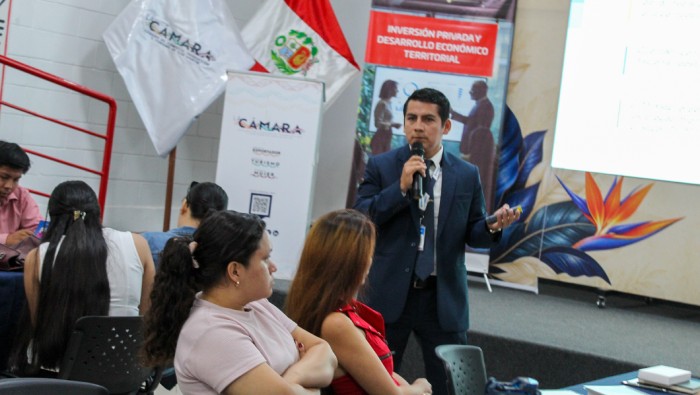
Recognizing the importance of a supportive financial and fiscal environment, the initiative includes a comprehensive package of incentives and benefits. During the promotional activities, representatives from the National Superintendency of Tax Administration (SUNAT) detailed various measures designed to enhance the financial viability and liquidity of private investment projects.
A key highlight is the Special Early Recovery Regime for IGV (RERA IGV). This tax mechanism allows companies to recover Value Added Tax (IGV) paid on certain investments and expenses earlier in the project lifecycle. This early recovery of capital can significantly improve cash flow, reduce financial burdens, and make projects more attractive to investors, particularly in the early stages of development when capital outlay is high.
Beyond RERA IGV, the government is committed to offering a range of financial, tax, and export promotion benefits. These may include tax holidays, accelerated depreciation allowances, preferential loan terms through state-backed financial institutions, and support for export market access. The aim is to create a business-friendly ecosystem that reduces the cost of doing business, mitigates investment risks, and encourages companies to establish and expand their operations in San Martín. This multifaceted approach to incentives underscores the government’s dedication to actively facilitating and de-risking private investment in the region.
San Martín’s Economic Snapshot and Government Commitment
San Martín’s economic dynamism is reflected in its solid financial performance. The region boasts a nominal GDP of S/ 13,823 million, indicating a significant contribution to the national economy. Furthermore, in 2025, San Martín recorded impressive export figures, totaling US$ 583 million, with its products reaching 49 diverse international markets. This demonstrates the region’s existing capacity for global trade and its potential for further expansion.
In light of this promising economic landscape, the Ministry of Economy and Finance (MEF), through PROINVERSIÓN, reaffirms its unwavering commitment to its technical and facilitation role. The MEF recognizes PROINVERSIÓN as the central entity responsible for promoting private investment, and its mandate extends to providing comprehensive support and guidance to companies keen on deploying their capital in San Martín. This includes streamlining regulatory processes, identifying and mitigating investment barriers, and acting as a crucial bridge between the private sector and government entities.
The government’s active engagement through PROINVERSIÓN signifies a strategic intent to unlock the full economic potential of San Martín. By fostering a transparent and efficient investment climate, the MEF aims to attract both domestic and foreign investment, driving job creation, improving living standards, and ensuring that the region’s growth is sustainable and inclusive. The emphasis on sectors like agro-industry, tourism, and bioproducts also aligns with Peru’s broader national development goals, which prioritize value addition, environmental sustainability, and the equitable distribution of economic benefits. The robust performance in exports further validates the region’s potential and provides a strong foundation for attracting further investment aimed at enhancing export capacity and diversifying market reach.
Implications for Regional Development and National Economy
The strategic push for private investment in San Martín carries profound implications, not only for the region itself but also for the broader Peruvian economy. By focusing on value-added processing in agro-industry, sustainable tourism, and the responsible utilization of natural resources, San Martín is charting a course towards a more diversified and resilient economic model. This diversification is crucial for mitigating the risks associated with reliance on single commodities and for creating a more stable economic future.
The success of these initiatives will translate into tangible benefits for the local population, including the creation of new, higher-skilled employment opportunities, increased income levels, and improved access to essential services. Furthermore, the development of infrastructure through PPPs will enhance connectivity and operational efficiency, making San Martín a more attractive location for businesses and contributing to a more equitable distribution of economic development across Peru.
On a national level, the successful attraction of private investment in San Martín will serve as a model for other regions seeking to stimulate their economies. It reinforces Peru’s commitment to fostering a dynamic private sector and leveraging public-private collaboration to achieve sustainable growth. The focus on sustainability and value addition also aligns with global trends and Peru’s commitments to environmental stewardship and economic competitiveness on the international stage. As San Martín embraces this new era of investment, it is poised to become a beacon of economic progress and sustainable development within Peru.