The Chilean government, through the Ministry of Public Works (MOP), has officially launched a transformative phase for the nation’s connectivity infrastructure. At the heart of this initiative is the ambitious "Ruta Austral: Soberanía que Conecta" (Southern Route: Sovereignty that Connects) program, a strategic master plan designed to modernize the iconic Carretera Austral (Route 7). By prioritizing the paving of critical segments and the construction of modern bridges, the MOP aims to bridge the gap between isolated communities and the economic heart of the Aysén region, while simultaneously bolstering one of the world’s most spectacular tourism corridors.
The Core Project: Paving the Path to the Marble Cathedrals
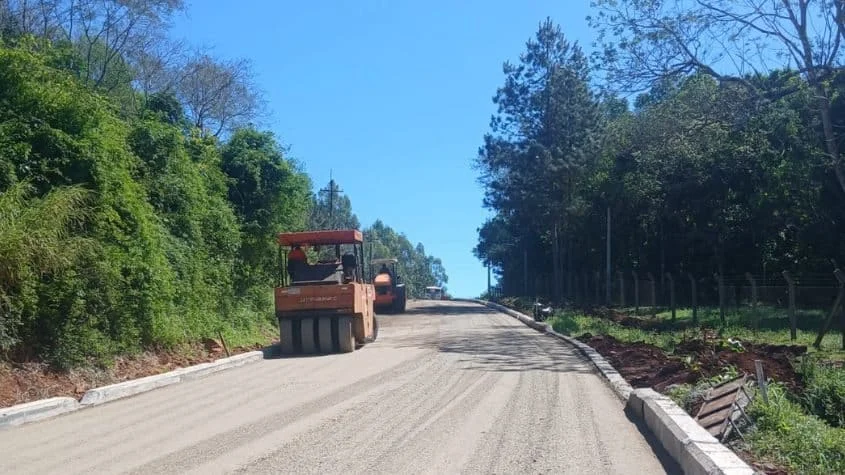
The flagship project currently underway involves the heavy-duty paving of 16.2 kilometers of the Carretera Austral, specifically the stretch connecting Bahía Murta to the El Belga bridge in the Rio Ibáñez commune. This initiative represents a massive capital injection of approximately 70 billion Chilean pesos (roughly US$76.8 million).
Managed by the MOP’s Directorate of Roads (Dirección de Vialidad), this segment is not merely a construction project; it is a vital lifeline for regional development. The current road conditions in this sector often act as a bottleneck for commerce and tourism. Once completed, the paved surface will significantly reduce travel times, lower vehicle maintenance costs for local residents, and provide a safer, more reliable transit experience for the thousands of travelers who visit the nearby Marble Cathedrals (Capillas de Mármol) at Lake General Carrera annually.
Chronology of Development: A Multi-Year Commitment
The roadmap for the "Ruta Austral" program is built upon a long-term vision that spans the next five years. While the Bahía Murta paving project has now commenced, it operates within a broader timeline of regional infrastructure milestones:
- 2016–2025 (The Baseline): During this decade, the average annual investment in the Ruta 7 stood at approximately 24.353 billion pesos. These years focused on maintenance and smaller-scale improvements to keep the gravel-heavy route operational.
- 2026 (The Turning Point): The current year marks the commencement of the "Ruta Austral: Soberanía que Conecta" plan, signaling a shift toward rapid modernization.
- 2028 (The Target Milestone): This year serves as the projected completion date for the new El Manso Bridge, a key structural component of the wider connectivity scheme.
- 2026–2030 (The Acceleration Phase): The MOP has committed to a massive surge in investment, with an annual average of 139.902 billion pesos allocated to transform the region’s accessibility.
Supporting Data: The Magnitude of the Investment
The scale of the "Ruta Austral: Soberanía que Conecta" program is unprecedented in the history of the Aysén region. With a total projected investment of 800 billion pesos, the initiative represents a fundamental shift in how the Chilean state perceives the development of its southern territories.

The financial architecture of the project is a collaborative effort between national and regional authorities. Of the total budget, 758.858 billion pesos are provided directly by the Ministry of Public Works, while the Regional Government contributes 44.940 billion pesos through the National Fund for Regional Development (FNDR).
The program includes:
- 20 Road Initiatives: A mix of ongoing and new paving projects and basic road upgrades.
- 2 Major Bridge Projects: Designed to replace aging structures with modern, high-capacity conduits.
- 3 Maritime and Lake Projects: Acknowledging that in Aysén, connectivity is as much about water transit as it is about asphalt.
- 250 Kilometers of Coverage: The total length of the route to be intervened, ensuring that the impact is felt across the entire corridor.
Engineering Marvels: The El Manso Bridge
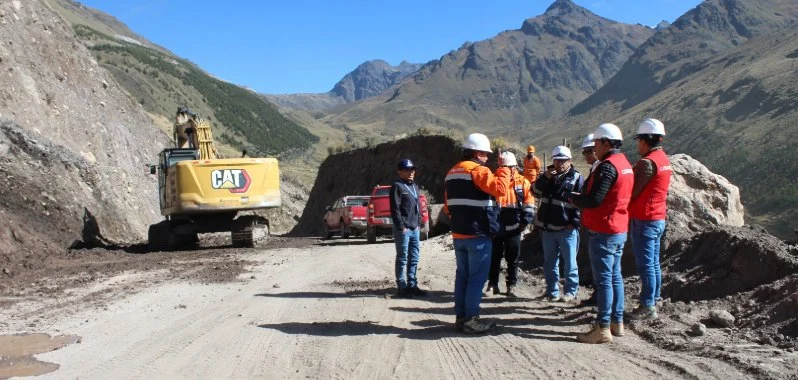
Parallel to the road paving, the MOP is actively supervising the progress of the new El Manso Bridge. This structure is critical for the route between Laguna Verde and the La Cascada culvert.
The new bridge is designed with future-proof engineering:
- Structural Specs: 55 meters in length, capable of supporting 45 tons, featuring two traffic lanes and two pedestrian walkways.
- Preservation Strategy: In a nod to the region’s history, the existing older bridge will not be demolished but instead preserved and repurposed as a scenic lookout, turning a piece of engineering history into a tourism asset.
- Progress Status: Currently standing at 16% completion, the project is moving steadily toward its target completion date in April 2028, with a dedicated budget of 40 billion pesos.
Beyond Connectivity: Strengthening Rural Utilities
Recognizing that roads are only one part of the infrastructure equation, the MOP is concurrently modernizing essential public services. In Bahía Murta, the ministry has launched a 3.8 billion peso project to upgrade the Rural Sanitary Service (Servicio Sanitario Rural).

This project is a direct response to the needs of the growing local population and the increased demands of the tourism sector. The upgrades include:
- Capacity Expansion: Increasing water storage capacity from 30 m³ to 200 m³.
- Expanded Reach: Serving 230 families and over 700 individuals directly.
- Infrastructure Modernization: Installation of 9.2 kilometers of new distribution networks, a state-of-the-art chlorination facility, and the construction of a large, semi-buried storage tank.
The project, led by the Directorate of Hydraulic Works (Dirección de Obras Hidráulicas), underscores a holistic approach to development—ensuring that as the roads improve, so does the quality of life for the residents who sustain these communities.
Implications for the Future of Aysén
The "Ruta Austral: Soberanía que Conecta" plan carries profound implications for the future of southern Chile. By moving from a model of sporadic maintenance to one of aggressive, integrated development, the Chilean government is signaling a permanent commitment to the Aysén region.
Economic Impact
For the local economy, the improvements mean lower logistics costs and higher reliability. Businesses in the tourism, agriculture, and service sectors will benefit from the ability to move goods and people more efficiently throughout the year, regardless of seasonal weather extremes that have historically hindered transit.
Tourism and Sustainability
The Carretera Austral is internationally renowned for its raw, untouched beauty. The challenge for policymakers has been to improve accessibility without destroying the very character that draws visitors. By building modern bridges and paving critical sections, the MOP is standardizing safety for tourists, which is expected to extend the tourism season beyond the summer months.

Social Equity
Perhaps the most significant implication is the social one. For decades, the residents of Aysén have navigated the challenges of isolation. This program provides the "sovereignty" mentioned in its title—the ability of citizens to access healthcare, education, and regional markets with ease. It turns a remote frontier into an integrated part of the national economy.
As the heavy machinery begins its work between Bahía Murta and the El Belga bridge, it marks the start of a new chapter for the Aysén region. It is a testament to the fact that, in the heart of Patagonia, infrastructure is the primary catalyst for progress, weaving together the isolated threads of the south into a more resilient, connected, and prosperous national fabric.