Introduction: The End of a Judicial Odyssey
In a definitive ruling that echoes far beyond the borders of Cajamarca, Peru, the Supreme Court of Justice has brought a long-standing legal battle to a close. On May 3, 2017, the Sala Penal Permanente (Permanent Criminal Chamber) of the Supreme Court declared the cassation appeal filed by the mining giant Yanacocha to be "unfounded."
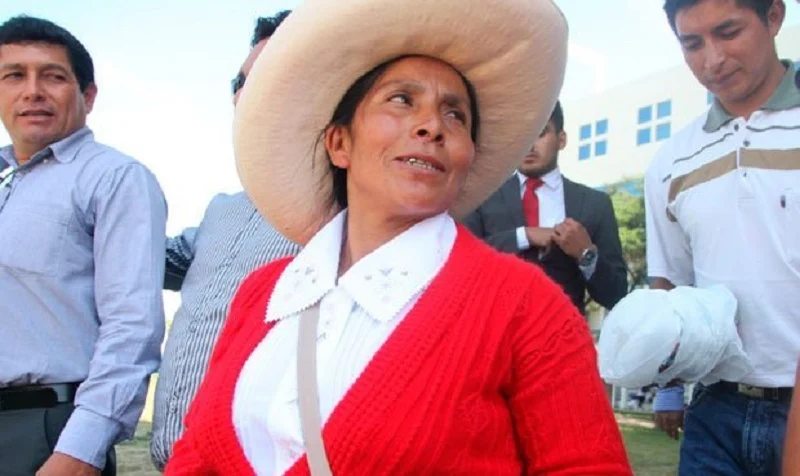
This decision marks the final judicial word in the criminal proceedings against Máxima Acuña de Chaupe, an environmental defender who became a global symbol of resistance against corporate encroachment on ancestral lands. By rejecting the mining company’s attempt to overturn the previous acquittal, the Court has effectively ended years of systemic criminalization, legal harassment, and physical intimidation faced by Acuña and her family. For human rights observers and environmentalists worldwide, this is not merely a legal victory; it is a validation of the right of indigenous communities to protect their territory against industrial extraction.
The Core Facts: David vs. Goliath
The legal dispute centered on the property known as "Tragadero Grande," located in the community of Sorochuco, in the high-altitude region of Cajamarca. For years, Yanacocha—one of the largest gold mining operations in South America—claimed that the Chaupe family had illegally occupied their land, labeling the indigenous family as "usurpers."
Máxima Acuña, a humble subsistence farmer, maintained throughout the ordeal that she and her family were the legitimate owners of the land, having purchased it years prior to the expansion plans of the mining project. The conflict escalated in 2011 when the company attempted to force the family from their home, leading to a series of violent confrontations.
The mining company’s strategy was multifaceted: they utilized the Peruvian legal system to charge Acuña with "aggravated usurpation," effectively weaponizing the courts to exhaust the family’s meager resources and silence their opposition. The Supreme Court’s recent ruling confirms that these charges were groundless, upholding the 2014 acquittal issued by the Cajamarca Criminal Court of Appeals.

Chronology of Resistance: A Timeline of Criminalization
The struggle of Máxima Acuña is not an isolated event but a protracted saga of conflict. To understand the weight of the Supreme Court’s decision, one must look at the timeline of the conflict:
- 2011: Yanacocha personnel, supported by local police forces, arrive at Tragadero Grande to forcibly evict the Chaupe family. The family refuses to leave, initiating a long-term stand-off.
- 2012–2013: The company initiates a series of criminal lawsuits against Acuña, alleging illegal occupation. During this period, the family reports repeated instances of physical aggression, destruction of their property, and psychological intimidation.
- December 17, 2014: A monumental turning point occurs when the Sala Penal de Apelaciones of Cajamarca clears the family of all charges, stating that their occupation was not criminal in nature.
- 2015–2016: Despite the acquittal, the pressure continues. The company persists in its efforts to challenge the ruling, while Máxima Acuña gains international recognition, eventually receiving the prestigious Goldman Environmental Prize—often referred to as the "Green Nobel"—for her bravery.
- May 3, 2017: The Supreme Court of Peru issues its final, definitive ruling, closing the door on the cassation appeal and confirming the acquittal of the Chaupe family.
Supporting Data and Context: The Price of Advocacy
The criminalization of Máxima Acuña was not an anomaly but part of a broader pattern of "lawfare" used against environmental activists in the Andes.
The Cost of Legal Defense
The legal costs incurred by the family, combined with the loss of agricultural production due to the constant presence of security forces and the destruction of their crops, pushed the family into severe poverty. International organizations, including Amnesty International and EarthRights International, documented the irregularities in the prosecution, noting that the judicial system was being used as an instrument of corporate interests.
The Role of International Recognition
The Goldman Environmental Prize served as a protective shield for Acuña. By bringing global media attention to the remote highlands of Cajamarca, the award made it significantly more difficult for the company to proceed with violent evictions without facing international outcry. The data shows a clear correlation between the intensity of public interest and the slowing down of judicial harassment, proving that for defenders like Acuña, visibility is a form of survival.
Official Responses and Public Reaction
The reaction to the Supreme Court’s decision was swift and celebratory, both within Peru and internationally.

The Judiciary’s Stance
The Poder Judicial (Judicial Branch) of Peru released a concise statement via social media, declaring: "The judgment of the Máxima Acuña case, issued by the Permanent Criminal Chamber of the Supreme Court, has the character of a final ruling in the national ordinary jurisdiction." This wording was crucial, as it signaled to lower courts and the mining company that there is no room for further appeals.
Civil Society and Human Rights Advocacy
Human rights leaders and politicians, including Indira Huilca, took to social media to celebrate the ruling. The consensus among civil society organizations is that the Supreme Court has finally restored a sense of justice, though many warn that the struggle for land rights in the region is far from over. Amnesty International, which had campaigned extensively for the protection of the Chaupe family, lauded the decision as a triumph of human rights over corporate impunity.
Implications: A Precedent for Environmental Defenders
The finality of this ruling carries profound implications for the future of environmental activism in Peru and beyond.
1. Challenging Corporate Impunity
This case serves as a precedent that even the most powerful mining entities can be held accountable by the judicial system when faced with persistent and organized grassroots resistance. It signals a shift—however slight—in the way the Peruvian judiciary evaluates disputes between transnational corporations and indigenous communities.
2. The Limits of Criminalization
For years, the use of "aggravated usurpation" charges against activists has been a standard tool for companies to clear land for extraction projects. The Supreme Court’s dismissal of the cassation appeal sets a high bar for such prosecutions, making it harder for companies to use the criminal code to intimidate landowners who refuse to sell or vacate their ancestral territory.

3. The Need for Structural Reform
Despite the victory, the case highlights deep-seated structural issues in the Peruvian legal system. The fact that it took six years of intense litigation for an innocent family to be cleared of charges underscores the need for reforms that protect human rights defenders from malicious prosecution. The government must now consider how to guarantee the security of the Chaupe family, who continue to live on their land in a region that remains heavily militarized and contested.
Conclusion: A Moral Victory for the Highlands
The story of Máxima Acuña is a testament to the resilience of the human spirit. She stood against the immense financial and political weight of a mining giant, refusing to abandon her home. The Supreme Court’s decision is the legal conclusion of this chapter, but the broader story of environmental justice in the Andes continues.
As mining interests continue to push into fragile ecosystems, the case of Tragadero Grande will remain a touchstone for those fighting for environmental rights. The judiciary has affirmed that the rights of individuals to their property and their way of life cannot be easily overridden by the promise of mineral wealth. For now, the Chaupe family remains in their home, and for the first time in many years, they do so under the full protection of the law.
The path forward requires continued vigilance. While the court has spoken, the underlying tensions in Cajamarca remain. The world will be watching to ensure that this ruling is not just a piece of paper, but a genuine guarantee of peace and security for one of the world’s most iconic environmental defenders.