The state government of São Paulo has officially submitted a transformative infrastructure budget to the Legislative Assembly, signaling a massive push toward modernizing the region’s logistics, transport, and connectivity networks. With a total proposed investment of R$ 20 billion, the plan stands as a cornerstone of the state’s economic strategy for 2027.
Main Facts: A Landmark Investment in Connectivity
The state government of São Paulo, Brazil’s economic powerhouse and most populous region, is preparing for a significant infrastructure overhaul. The proposed 2027 budget, currently under review by the state’s Legislative Assembly, allocates a staggering R$ 20 billion specifically for logistics and transport infrastructure.
The strategy is bifurcated into two primary pillars: a heavy focus on the expansion and modernization of the metropolitan rail network, and a substantial commitment to upgrading the state’s vast road and waterway systems. By prioritizing these sectors, the administration aims to mitigate traffic congestion, improve intercity connectivity, and lower the cost of logistics for businesses operating within the state.
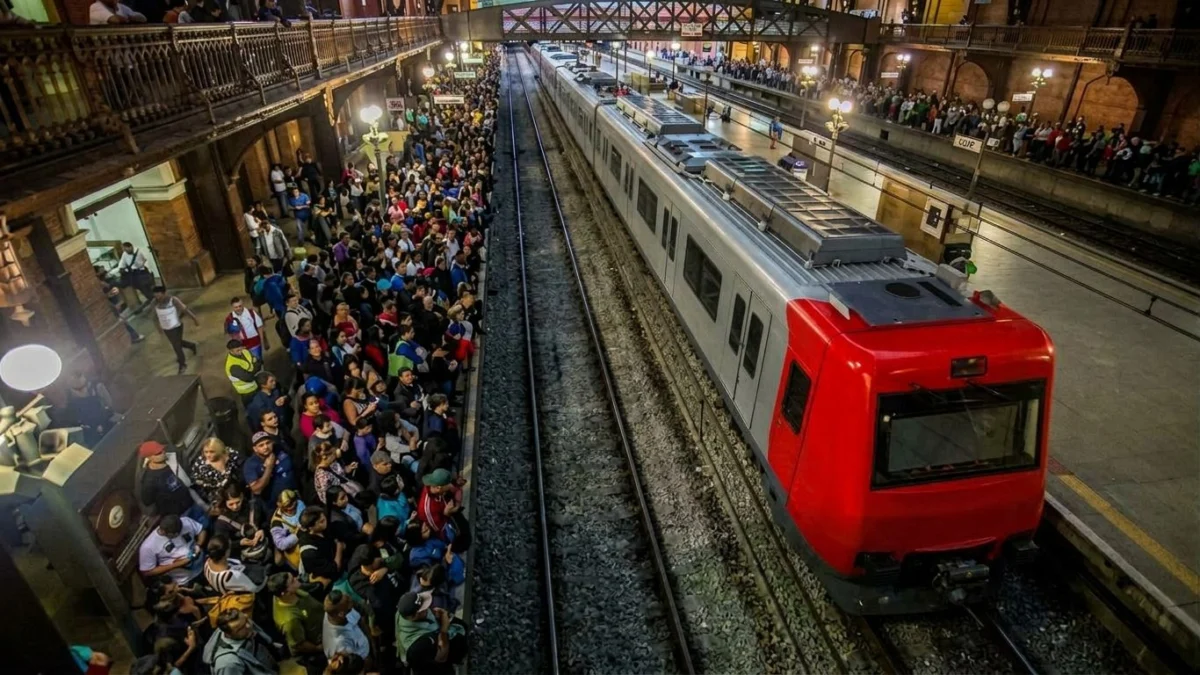
At the core of the rail strategy is a R$ 14 billion allocation dedicated to the Metro and regional rail systems. This investment is not merely about maintenance; it is a calculated effort to expand the reach of public transit to underserved suburban areas and to integrate the state’s rail lines into a more cohesive, high-efficiency network.
Chronology: The Path to 2027
The submission of the budget proposal is the culmination of months of technical studies and planning by the state’s transport secretariat.

- Q3 2026: The São Paulo government completes the preliminary fiscal planning, identifying key bottlenecks in the metropolitan transit system and high-priority road corridors.
- October 2026: The formal budget proposal is submitted to the Legislative Assembly for review and subsequent approval.
- Late 2026/Early 2027 (Projected): Legislative debate and expected ratification of the budget by the state congress.
- January 2027: Official commencement of the fiscal year, with the phased release of funds for the listed infrastructure projects.
- Throughout 2027: Execution phase, encompassing construction, procurement, and the oversight of Public-Private Partnerships (PPPs).
The proposal marks a decisive shift from previous years, emphasizing the transition from heavy road reliance to a multimodal transport strategy that favors high-capacity rail transit.
Supporting Data: Deep Dive into the Allocation
The distribution of the R$ 20 billion is a testament to the state’s commitment to urban mobility. The funding is categorized as follows:
The Rail Network (R$ 14 Billion)
The rail allocation is perhaps the most ambitious component of the plan. It focuses on the following key areas:
- Line 2-Green: A significant allocation of R$ 3.2 billion is earmarked for this project, which is essential for expanding the Metro’s footprint and easing pressure on central hubs.
- Intercity Rail (TIC): R$ 1.6 billion has been set aside for the São Paulo-Campinas Intercity Train, a project designed to link two of the state’s most vital economic engines, significantly reducing commute times for thousands of daily travelers.
- System-Wide Modernization: The plan includes robust funding for the expansion and optimization of Lines 4-Yellow, 5-Lilac, 6-Orange, 15-Silver, and 17-Gold.
- PPP Support: Furthermore, the government has committed resources to support the ongoing operations and capital improvements of the Public-Private Partnership (PPP) lines (Lines 11, 12, and 13), as well as modernization efforts for the vital commuter corridors of Line 8-Diamond and Line 9-Emerald.
Road and Logistics Infrastructure (R$ 5.9 Billion)
Recognizing that rail cannot solve every logistical challenge, the state has allocated R$ 5.9 billion for the maintenance and expansion of the road network. Key focal points include:
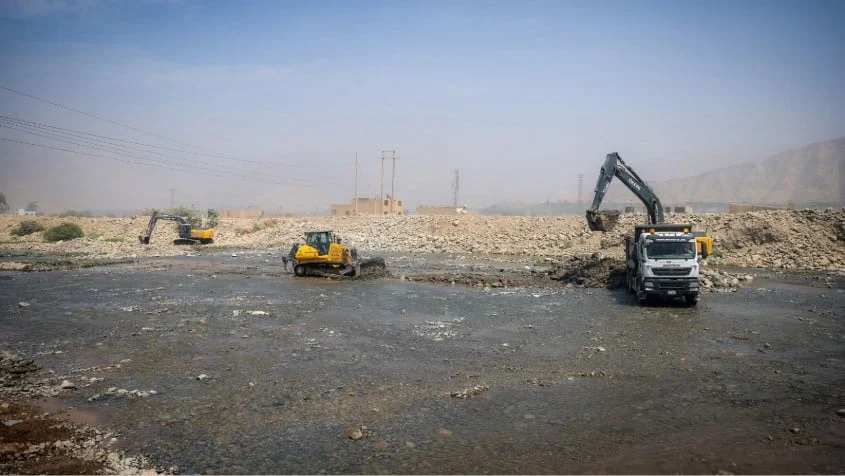
- Rodoanel Norte: Continued funding to complete the northern section of the orbital highway, a critical project for bypassing heavy freight traffic around the city center.
- Nova Tamoios Corridor: Dedicated improvements to this essential link between the inland plateaus and the coastal regions.
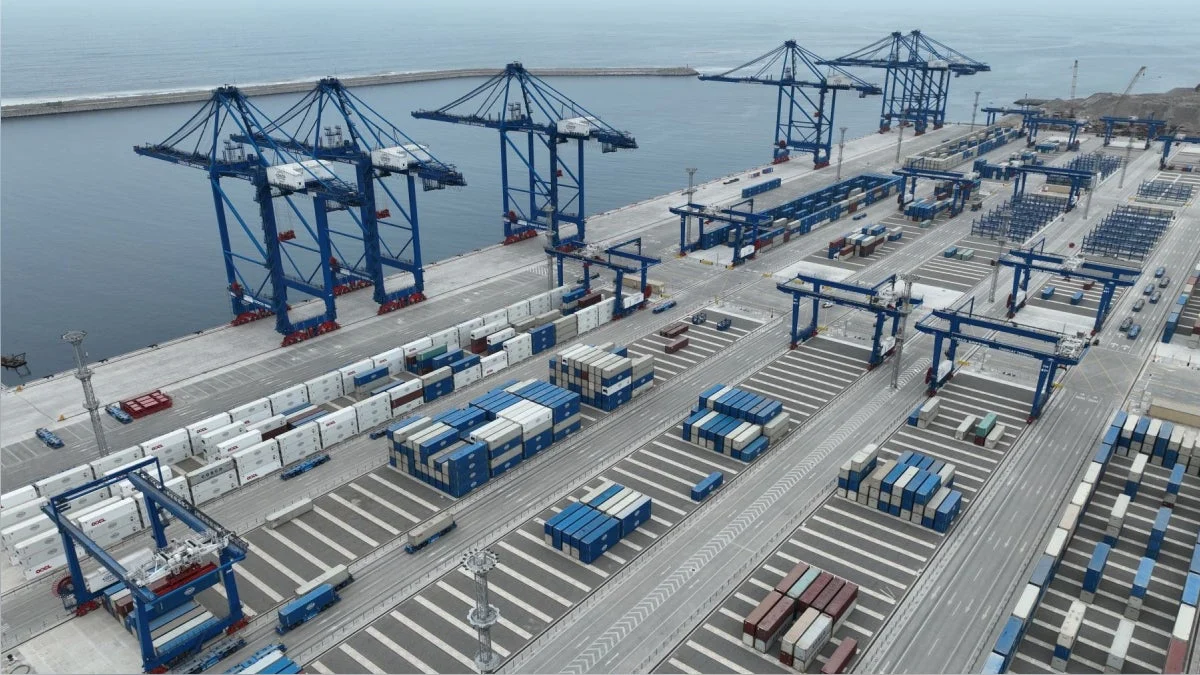
- Coastal Connectivity: Significant investments in regional crossing points along the coast to improve maritime-to-land logistics.
- Hidrovia Tietê-Paraná: Integration of the waterway network into the broader logistics framework, aiming to leverage Brazil’s river systems for bulk transport.
Official Responses and Stakeholder Outlook
While the proposal awaits formal legislative approval, early feedback from industry analysts and state officials has been cautiously optimistic.

A spokesperson for the state government emphasized, "This budget represents a commitment to the long-term competitiveness of São Paulo. By addressing both the daily commute of millions of residents and the logistical efficiency of our supply chains, we are setting the stage for a more productive and sustainable state."
Infrastructure experts suggest that while the capital expenditure is high, the return on investment (ROI) will be seen in decreased carbon emissions, reduced road maintenance costs, and a significant boost to regional GDP. Critics in the legislature, however, are expected to scrutinize the allocation of funds for specific PPPs, demanding transparency regarding the contractual obligations and potential long-term liabilities associated with these partnerships.
Implications: The Macroeconomic Perspective
The implications of this infrastructure spending spree extend far beyond the immediate construction phase. If executed effectively, the 2027 budget will have three primary impacts:
1. Urban Mobility and Quality of Life
For the average citizen of the São Paulo Metropolitan Area, the focus on Metro and rail line expansion means reduced travel times and a more reliable public transit network. As urbanization continues to accelerate, the government’s ability to provide high-capacity, efficient rail transit is the most significant tool in mitigating the socio-economic costs of urban sprawl.
2. Logistics and Supply Chain Efficiency
For the industrial sector, the focus on the Tietê-Paraná waterway and the completion of the Rodoanel Norte are vital. By facilitating the movement of goods from the interior to the coast, the state aims to reduce the "Brazil Cost" (Custo Brasil), making local industries more competitive on the global stage.

3. Economic Stimulus
Infrastructure projects of this magnitude serve as a massive economic engine. They generate thousands of direct and indirect jobs in engineering, construction, and manufacturing. Furthermore, the certainty provided by a multi-year budget plan encourages private sector investment, as businesses gain confidence in the government’s commitment to building a reliable, modern landscape.
Conclusion
The 2027 infrastructure proposal is more than just a list of construction projects; it is a strategic vision for the future of São Paulo. As the Legislative Assembly prepares to debate the merits of these allocations, the state stands at a critical juncture. The success of this R$ 20 billion investment will hinge on the government’s ability to manage large-scale projects with efficiency and transparency, ensuring that the promise of a better-connected, more competitive state becomes a reality for all its inhabitants.
As the debate continues, the eyes of the international logistics community and local residents remain fixed on the assembly floor, waiting to see if this ambitious vision will be green-lit to power the state into a new era of growth.