In a fiscal landscape defined by volatility and operational constraints, Petroperú, the Peruvian state-owned oil company, has reported a significant turnaround in its financial performance for the first half of 2026. After enduring a harrowing period of losses in 2025, the company has managed to post a net profit of US$121 million. However, beneath this headline figure lies a complex reality: the profit is not a product of operational expansion, but rather a reflection of favorable global market dynamics and stringent internal cost-cutting measures. As the company navigates this fragile recovery, it continues to face a liquidity squeeze that threatens its long-term viability and operational autonomy.
The Financial Turnaround: A Snapshot of H1 2026
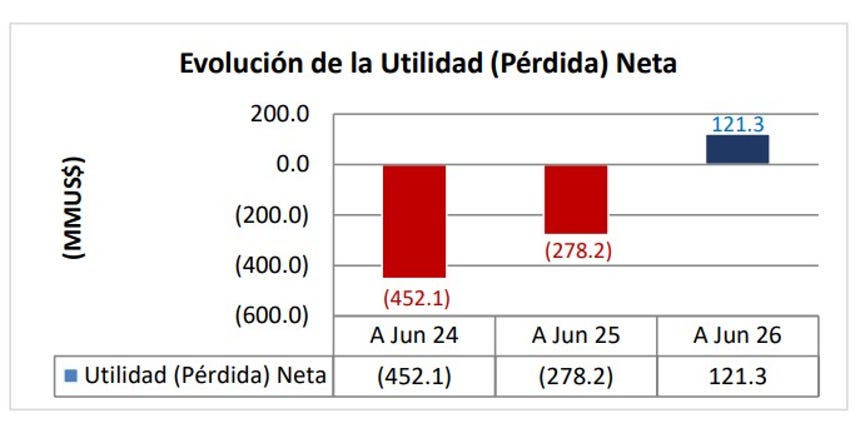
The first semester of 2026 has been marked by a stark contrast to the same period in 2025. During the first six months of last year, Petroperú reported a staggering net loss of US$278 million. The shift to a US$121 million profit in 2026 represents a critical correction, yet industry analysts remain cautious.
According to the analysis submitted to the Superintendence of the Securities Market (SMV), the primary driver of this profit was not an increase in the volume of oil processed or fuel sold. Instead, the company benefited significantly from a widening spread between the cost of crude oil and the market price of refined products. This margin expansion was largely fueled by rising international oil prices between March and May 2026, an upward trend accelerated by geopolitical instability, specifically the conflicts in the Middle East.
Furthermore, the company successfully optimized its internal structure, implementing aggressive reductions in administrative, commercial, and operational expenses. The inclusion of production contributions from the X and Z-69 oil lots also provided a much-needed buffer for the company’s bottom line.
Chronology of Challenges: From Losses to Modernization
The trajectory of Petroperú over the last 18 months has been one of high-stakes transition.
- Mid-2025: The company grappled with severe financial deficits, culminating in a US$278 million loss for the first half of the year. This period was defined by high interest rates, operational inefficiencies, and the mounting costs of bringing the New Talara Refinery to full capacity.
- Late 2025: Facing a working capital deficit of over US$2.2 billion, the government began discussions on a major financial rescue package, including private financing structures managed by ProInversión.
- Q1 2026: Petroperú initiated stringent cost-cutting measures and prioritized payments to "critical" suppliers to maintain the flow of crude oil.
- March–May 2026: Global geopolitical tensions pushed oil prices upward, providing a windfall in refining margins that allowed the company to move back into the black.
- June 2026: The company closed the semester with a profit of US$121 million, though its revenue from sales had actually dipped compared to the previous year.
- August 2026: Moody’s and S&P Global Ratings maintain "negative" outlooks, citing the failure to materialize the promised US$2 billion state-backed financing as a significant risk factor.
Supporting Data: The Revenue Paradox
A critical examination of the financial statements reveals a "revenue paradox." While Petroperú’s net profit rose, its gross revenue from sales fell from US$1.733 billion in the first half of 2025 to US$1.680 billion in the same period of 2026.
The decline in sales revenue is a direct consequence of reduced production volumes. Liquidity constraints have restricted the company’s ability to purchase the necessary crude oil to keep its refineries at optimal capacity. This has resulted in lower output of high-demand products, such as low-sulfur diesel and Turbo A1 aviation fuel.
Key Financial Indicators (H1 2026)
- Net Profit: US$121 million (Reversed from US$278M loss).
- Sales Revenue: US$1.680 billion (Down from US$1.733 billion).
- Working Capital Deficit: Reduced from US$2.296 billion (end of 2025) to US$1.427 billion (June 2026).
- Financial Expenses: US$186.7 million (Primarily interest on bonds and tax processes).
The reduction in the working capital deficit—from US$2.296 billion to US$1.427 billion—is a positive sign of management’s focus on debt restructuring. However, the reliance on high-interest financing to cover these gaps continues to weigh heavily on the balance sheet, as evidenced by the nearly US$187 million in financial expenses incurred during the period.
Official Responses and the Financing Hurdle
The government and Petroperú’s management have pinned their hopes on an ambitious US$2 billion private financing scheme. This facility, intended to provide the liquidity necessary to guarantee the consistent purchase of crude and ensure operational continuity, is currently at a standstill.
The Stance of Rating Agencies
International credit rating agencies have remained unmoved by the recent profit figures. Moody’s continues to rate the company at Caa1, while S&P Global Ratings maintains a B- rating. Both agencies cite the lack of a "clear execution route" for the government’s promised support as a primary reason for keeping the "negative" outlook.
In a recent assessment, Moody’s warned that the absence of concrete progress on the US$2 billion package creates significant uncertainty. The agency noted that until these funds are accessed, Petroperú remains trapped in a cycle where it cannot produce at full capacity because it lacks the cash to buy the raw materials, and it cannot generate the necessary cash flow because its production is hindered.
Implications: The Road Ahead
The situation at Petroperú presents a microcosm of the challenges facing state-owned enterprises in developing economies. While the company has demonstrated that it can achieve profitability when market conditions align, it remains structurally vulnerable.
1. Operational Stability
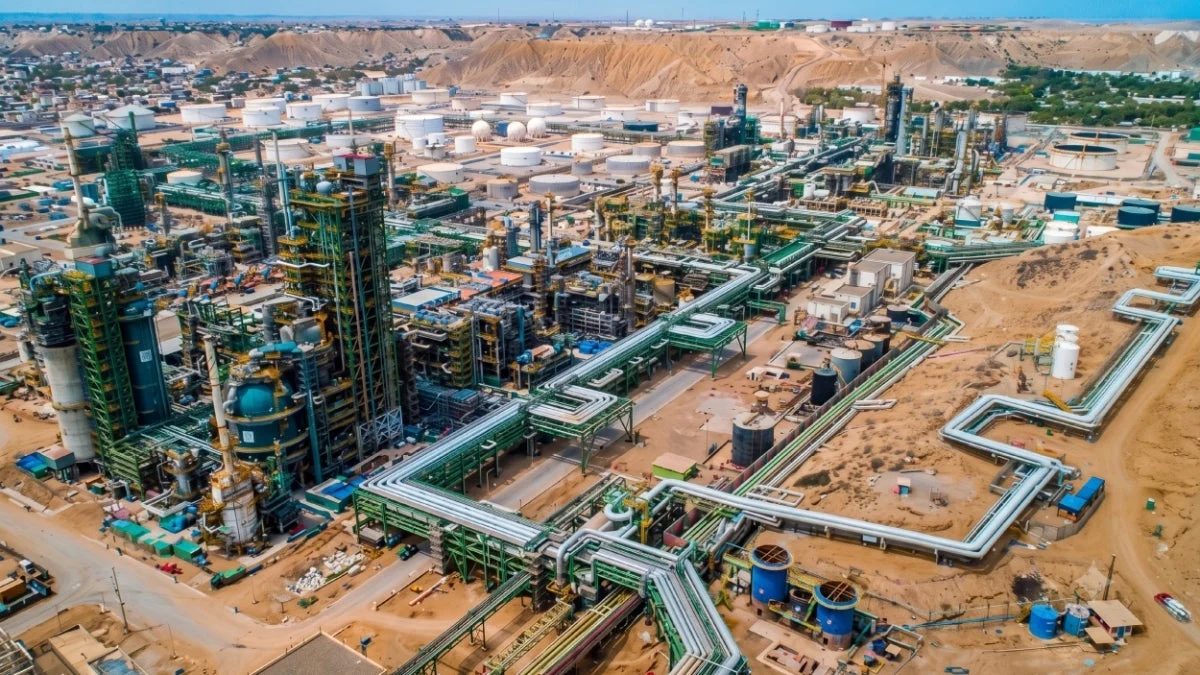
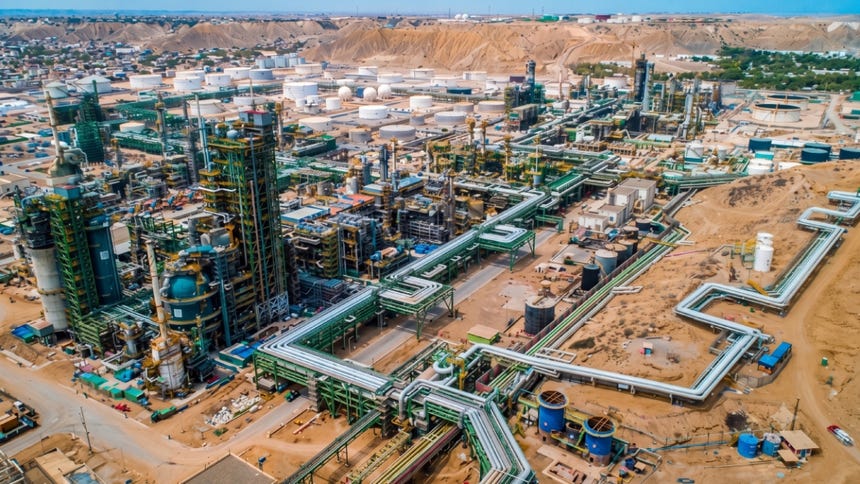
The New Talara Refinery is designed to be the engine of the company’s future. However, maintenance-related shutdowns and the lack of crude oil due to financial bottlenecks mean that the refinery is failing to operate at its full economic potential. If the company cannot secure stable funding for raw materials, the investment in Talara will continue to yield sub-optimal returns.
2. The Credibility Gap
The disconnect between the government’s promises of support and the reality on the ground has damaged investor confidence. The persistent "negative" outlook from rating agencies increases the cost of borrowing for the company, creating a feedback loop that exacerbates the liquidity crisis.
3. Energy Security
Beyond the balance sheet, the implications for Peru’s energy security are profound. As a major supplier of diesel and aviation fuel, any disruption in Petroperú’s operations—whether due to financial default or logistical failures—ripples across the national economy, affecting transportation, logistics, and agriculture.
4. The Need for Reform
The 2026 mid-year results prove that Petroperú has the capacity to be profitable, but it lacks the operational agility to withstand market shocks. For the company to move beyond its current "crisis-management" mode, it must transition toward a model that prioritizes predictable supply chains, fiscal discipline, and, most importantly, a finalized, transparent financing structure that does not rely on perpetual state intervention.
In conclusion, Petroperú’s return to profit is a testament to the effectiveness of recent cost-cutting measures and favorable global market trends. Yet, it is an incomplete success. Without the timely implementation of the proposed US$2 billion financing and a long-term strategy to address its underlying capital structure, the company remains on a knife-edge, vulnerable to the next wave of volatility in the international oil market. The coming months will be decisive in determining whether this profit is a momentary respite or the beginning of a genuine recovery.