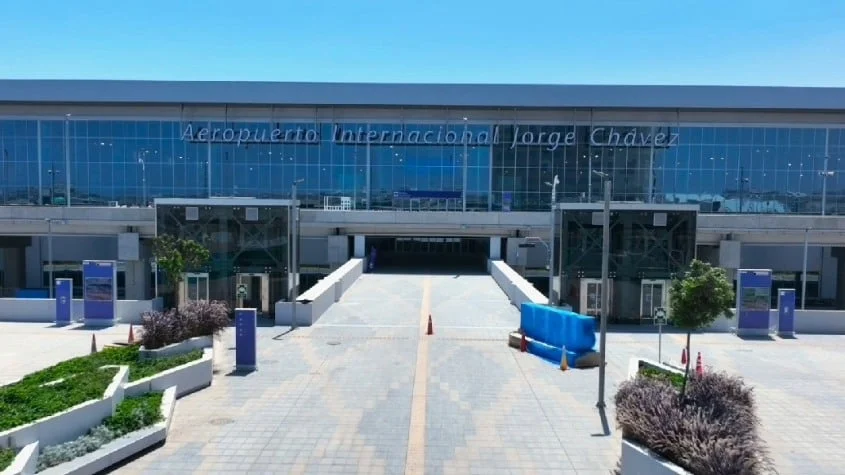
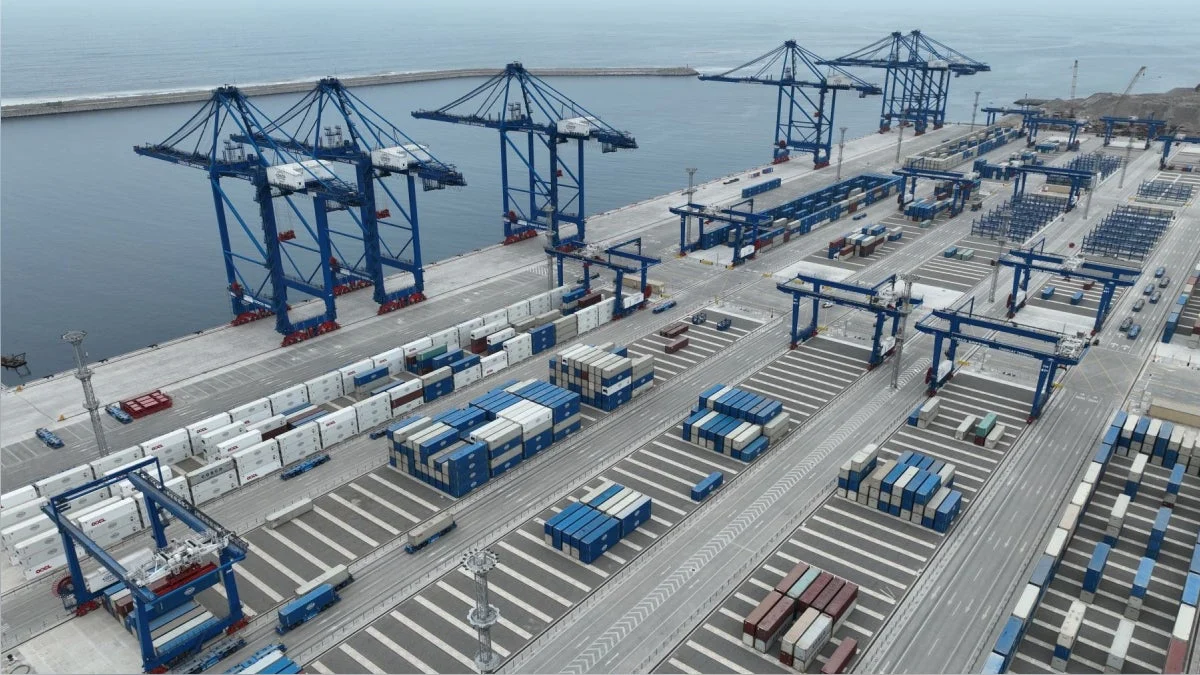
The development of the Port of Chancay, intended to be a crown jewel of regional infrastructure and a key maritime link between South America and Asia, has become the epicenter of a profound constitutional and legal crisis in Peru. At the heart of the dispute is a fundamental question of state authority: Can a private entity, regardless of its economic weight or geopolitical significance, operate within a nation’s territory while exempting itself from the regulatory oversight required of all other infrastructure providers?
Víctor García Toma, the legal counsel for the Supervisory Agency for Investment in Public Transport Infrastructure (Ositrán) and a former President of the Constitutional Court, has issued a stark warning. He argues that the refusal of Cosco Shipping—the Chinese-backed consortium managing the terminal—to submit to state oversight is not merely a corporate disagreement; it is a direct challenge to national sovereignty and a dangerous precedent for the rule of law in Peru.
The Core Conflict: Public Utility vs. Private Ownership
The tension rests on the classification of the Port of Chancay. Cosco Shipping, a corporate giant with 60% of its capital linked to the Chinese state, maintains that because the port operates as a private entity and not under a traditional state-granted concession, it functions outside the purview of Ositrán. The company contends that mandatory supervision and the payment of regulatory fees infringe upon its rights to private property and free enterprise.
Ositrán, however, asserts that the legal framework is clear. According to García Toma, while the ownership of the terminal is private, the nature of the services provided is undeniably public. Under the Peruvian Constitution and the specific mandate of Law 26917, any infrastructure that provides services to the public must be subject to oversight to ensure fair play, prevent monopolies, and protect the end-users of the transport chain.
"The issue is not who owns the bricks and mortar of the port," García Toma explained during a recent interview on RPP’s Ampliación de Noticias. "The issue is the nature of the service. Because the port serves the public, it must be regulated. To suggest otherwise is to create a legal vacuum where a private actor becomes a law unto itself."
A Chronology of the Dispute
The escalation of this conflict has been marked by a series of legal filings and public exchanges that have brought the relationship between the Peruvian state and the project’s developers to a breaking point.
- Initial Regulatory Outreach: Ositrán attempted to initiate a formal, collaborative dialogue with Cosco Shipping, inviting them to coordination meetings intended to align the port’s operations with standard national regulatory protocols.
- The Preemptive Amparo: Rather than engaging in the requested coordination, Cosco Shipping filed an amparo (a constitutional protection lawsuit) against Ositrán. The company claimed that the regulator’s mere invitation to coordinate constituted an "imminent threat" to their constitutional rights.
- The Judicial Ruling: In a decision that surprised legal experts, Judge Juan Carlos Núñez Matos issued a ruling in favor of Cosco Shipping. The court declared that certain administrative acts of Ositrán—which the regulator notes were never actually executed—were inapplicable to the company.
- The Appeal: Ositrán has formally appealed the ruling, arguing that the judge’s decision was based on a fundamental misreading of the regulatory framework and that it effectively granted the company immunity from oversight.
Supporting Data and Comparative Precedents
To underscore the anomaly of the situation, Ositrán’s legal team has pointed to the Port of Pucallpa as a critical benchmark. The Pucallpa terminal operates under a similar model: it involves foreign capital, is privately owned, and operates in a mixed-investment environment. Yet, it remains fully subject to the oversight of the Peruvian state, a reality that has not hindered its ability to operate or generate profit.
García Toma argues that if the ruling in the Chancay case stands, it will create a "legal island" in the Peruvian port system. If the country’s largest and most strategically significant port is the only one exempt from regulation, the message sent to the global investment community is that the Peruvian state is weak and susceptible to pressure from powerful economic actors.
Data provided by the regulator highlights that Ositrán’s role is not to hinder investment but to ensure the "social market economy" functions as intended. Without this oversight, there are no mechanisms to verify tariff structures, ensure equal access for different logistics companies, or maintain safety and service standards for the thousands of users who will rely on the port for import and export activities.
Official Responses: The Battle of Narratives
The rhetoric from both sides has intensified as the legal process moves through the appellate courts.
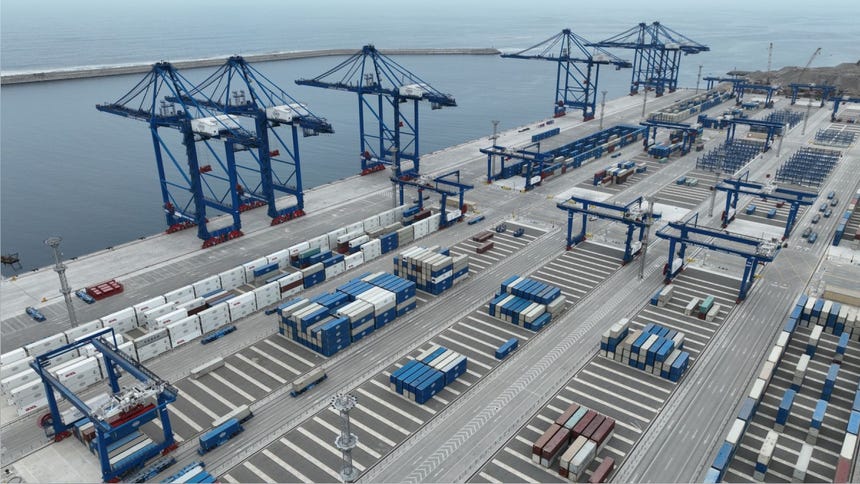
The Position of Cosco Shipping:
The company has consistently defended its autonomy, emphasizing its status as a private developer. They argue that the regulatory framework designed for concessions does not apply to their project, as they are investing their own capital without the state subsidies or specific public-private partnership (PPP) obligations that typically trigger Ositrán’s intervention. They maintain that the court ruling validates their right to operate without "unnecessary" bureaucratic interference.
The Position of the Regulator (Ositrán):
García Toma has not minced words, characterizing the company’s behavior as "prepotencia" (arrogance). He suggests that the company’s defiance is fueled by a perception that their massive financial commitment gives them the right to circumvent local laws.
"They look at us over their shoulders," García Toma remarked. "They feel they can do whatever they want here because they operate under the impression that the Peruvian state is weak. This is not just a disagreement over fees; it is a struggle for the dignity of our national institutions."
Implications for the Future of Peru
The outcome of this case holds massive implications for the future of infrastructure development in Peru.
1. The Erosion of Institutional Authority
If a private entity can use the court system to effectively bypass regulatory bodies, it sets a dangerous precedent. It suggests that any large-scale project—whether in mining, energy, or logistics—could potentially negotiate its own regulatory environment, bypassing laws designed to protect the public interest.
2. The Model of the Social Market Economy
Peru’s Constitution is built on the foundation of a social market economy. This model encourages private investment but mandates that the state must act as an arbiter to ensure fair competition and protect the common good. By attempting to operate outside this framework, the Port of Chancay dispute tests the very definition of this economic model.
3. Geopolitical and Diplomatic Tensions
Because the port involves significant Chinese state-owned capital, the dispute carries diplomatic weight. The Peruvian government is caught in a delicate balance: it wants to encourage and protect the massive investment, but it cannot afford to appear as though it has surrendered its sovereignty to a foreign entity.
Conclusion: A Turning Point for the Rule of Law
The legal battle over the Port of Chancay is far from over. As the case proceeds to higher judicial levels, the eyes of the legal and business communities remain fixed on whether the Peruvian judiciary will prioritize the specific claims of a private investor or the structural integrity of the national regulatory system.
García Toma warns that ceding to the company’s demands would mean "turning back the clock 40 years" on the institutional consolidation of the nation. For the Peruvian state, the message is clear: while the country welcomes foreign capital and large-scale infrastructure projects, these must operate within the rule of law. The sovereignty of a nation, as the legal team for Ositrán maintains, is not an asset that can be privatized or negotiated away.
The coming months will be decisive. Either the Port of Chancay will become a benchmark for how modern, high-tech infrastructure can integrate successfully into a regulated national market, or it will stand as a monument to a moment when the state, in its pursuit of investment, allowed its authority to be sidelined by the sheer force of private economic power.