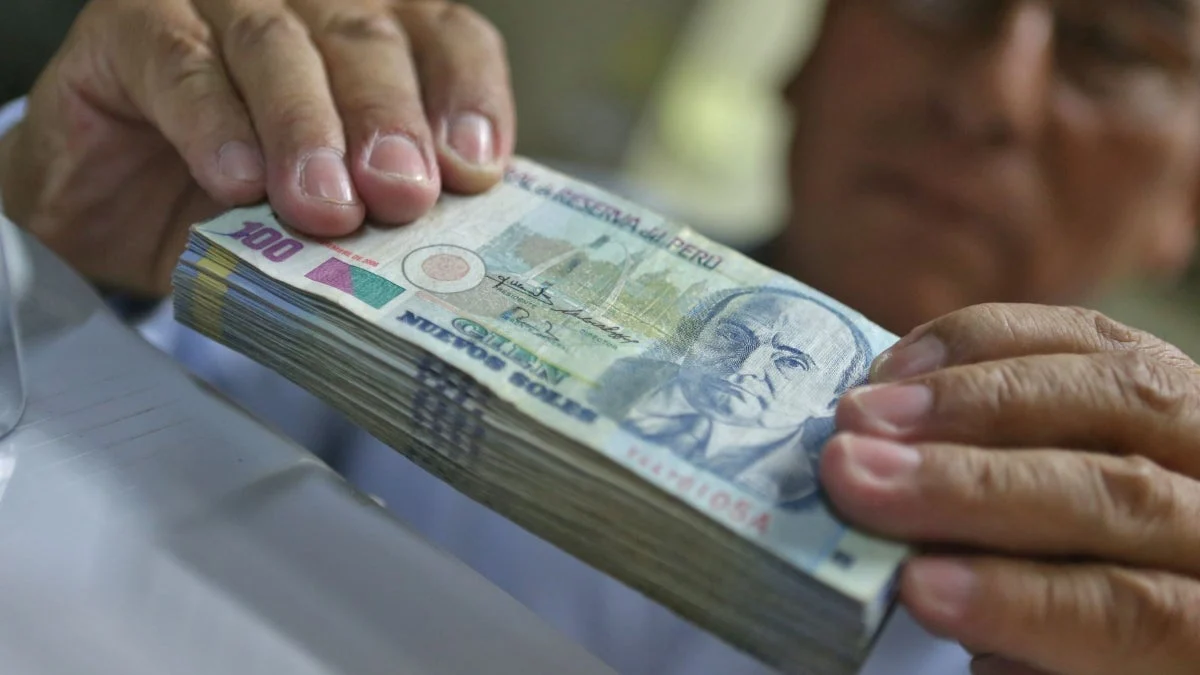
In a significant move to reshape the retail and financial landscape, Apple has officially announced the expansion of its "Tap to Pay on iPhone" technology to Peru and seven other Latin American nations. This technological leap transforms the standard smartphone into a sophisticated point-of-sale (POS) terminal, effectively removing the barrier of entry for small businesses, street vendors, and independent professionals who previously relied on clunky, expensive, or connectivity-dependent external hardware.
This expansion signifies a broader strategy by the Cupertino-based tech giant to deepen its integration into the daily economic life of emerging markets, bridging the gap between traditional cash-based economies and the seamless, digital future of fintech.
The Core Mechanics: Turning Smartphones into Payment Terminals
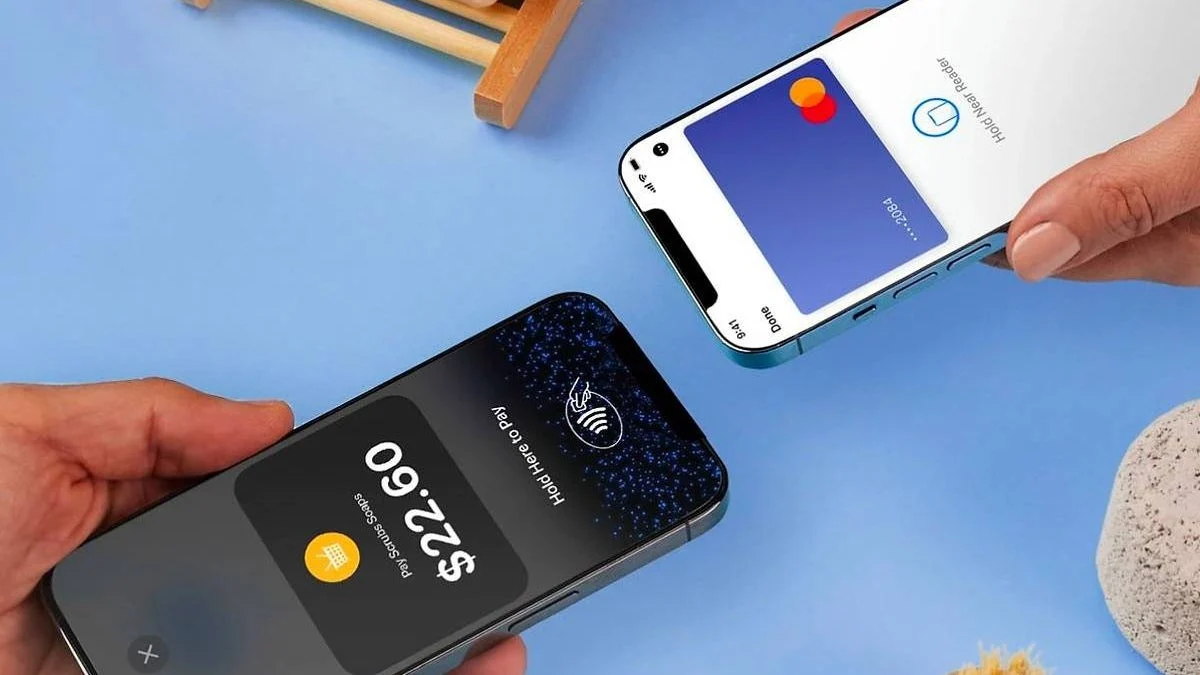
At its heart, "Tap to Pay" is an elegant solution to a common logistical headache. By leveraging the built-in Near Field Communication (NFC) chip present in modern iPhones—the same hardware used for Apple Pay—the device can securely accept payments from contactless credit and debit cards, as well as digital wallets like Apple Pay itself.
The process is remarkably straightforward: a merchant opens a payment-enabled app on their iPhone, enters the transaction amount, and presents the phone to the customer. The customer then holds their own card or device near the merchant’s phone, and the transaction is completed via encrypted, secure protocols. Because the entire operation happens within the device’s secure enclave, Apple ensures that neither the merchant nor Apple stores the specific card details, maintaining the high privacy standards for which the company is known.
Chronology: A Strategic Global Rollout
The journey of "Tap to Pay" began in February 2022, when Apple first introduced the feature in the United States. Recognizing the immense potential for local commerce, the company initiated a phased international rollout:
- February 2022: Initial launch in the United States, targeting small businesses and individual entrepreneurs.
- 2022–2023: Gradual expansion into major markets including the United Kingdom, Australia, and select European nations.
- Early 2024: Significant penetration into the Latin American market, with Brazil, Chile, and Mexico serving as the beachheads for the region.
- September 2026: A massive regional expansion encompassing Peru, Argentina, Colombia, Costa Rica, the Dominican Republic, Guatemala, Honduras, and Panama.
This deliberate pace highlights Apple’s approach: ensuring that the local financial infrastructure, regulatory frameworks, and banking partners are fully integrated before flipping the switch.
Supporting Data: Why This Matters for Latin America
The introduction of "Tap to Pay" in Latin America comes at a critical juncture. According to recent market research, the region has seen a massive surge in digital payment adoption, yet a significant portion of the "unbanked" or "underbanked" population still struggles to participate in the digital economy due to the high cost of POS terminals and associated banking fees.
Key Economic Drivers:
- Lowering Barriers: Small and Medium Enterprises (SMEs) contribute to over 60% of employment in many Latin American countries. Removing the need for physical hardware reduces overhead costs significantly.
- Increased Financial Inclusion: By allowing any user with a compatible iPhone to accept payments, the platform democratizes the ability to conduct business, regardless of scale.
- Efficiency and Speed: In urban centers like Lima, Bogota, and Buenos Aires, speed is essential for retail. Contactless payments reduce transaction times by seconds—which, when multiplied over thousands of transactions daily, leads to significant operational gains.
Official Perspectives and Industry Implications
While Apple has maintained a characteristically quiet stance on specific partnerships, the company has emphasized that this feature is built for "platforms and payment partners." This means that the real power of the technology is unlocked when integrated with existing financial apps and payment processors.
The Role of Payment Processors
The success of this rollout depends heavily on local financial institutions updating their iOS apps to support the Tap to Pay API. By integrating this, banks and fintech startups can offer their merchants a "hardware-free" experience.
Industry analysts suggest that this will force traditional POS providers to innovate or lower their costs. "We are seeing the commoditization of the payment terminal," says financial technology consultant Elena Rodriguez. "When your phone is the terminal, the physical card reader becomes a legacy device. This is a massive disruption for companies that built their business models on selling or renting hardware."
Navigating the Technical Requirements
For businesses and individuals looking to adopt this technology, there are specific hardware and software prerequisites that must be met.
Compatibility Requirements:
- Hardware: The feature is available on iPhone XS and later models. This ensures that the device has the necessary NFC and security architecture to process encrypted financial data.
- Software: Users must be running the latest version of iOS. Apple’s emphasis on the "latest version" is a security mandate, as the company frequently patches vulnerabilities that could potentially compromise the integrity of the payment ecosystem.
- Application Integration: The merchant must use an app provided by a compatible payment processor or bank that has integrated the Tap to Pay API.
The Broader Implications: A Shift in Retail Culture
The arrival of this technology is not merely a convenience; it is a cultural shift. In many Latin American cities, cash has historically been king due to the perceived unreliability or high cost of digital transactions.
1. The Death of the "Cash Only" Sign
The most immediate impact will be the reduction of "cash only" signs in small shops, street stalls, and cafes. As contactless payments become the default expectation for consumers, merchants who cannot accept them risk losing a growing segment of tech-savvy, card-carrying customers.
2. Enhanced Security for Merchants
Handling large amounts of physical cash carries inherent risks, from theft to counterfeit currency. "Tap to Pay" shifts the risk to the digital realm, where transaction records are immediate, reconciliations are automated, and the need for daily cash deposits at physical bank branches is greatly reduced.

3. The "Platformization" of the iPhone
This move further cements the iPhone’s role as an all-in-one productivity tool. It is no longer just a communication or media device; it is a professional toolkit. For the entrepreneur, the same device used to answer emails, manage social media, and track inventory can now close the sale.
Challenges and Future Outlook
Despite the excitement, the rollout faces challenges. The primary hurdle remains the digital divide. While the iPhone is a popular device, it occupies a premium position in the market. In regions where entry-level Android devices dominate, "Tap to Pay on iPhone" may remain a premium feature for established businesses rather than a ubiquitous tool for every street vendor.
Furthermore, education is key. Merchants need to be trained on the security aspects of the technology—understanding that they are handling sensitive financial data, even if it is encrypted—and consumers must become comfortable tapping their phones or cards against a stranger’s smartphone.
Looking ahead, industry experts anticipate that Apple will continue to refine the experience. Potential future developments could include:
- Integration with Apple Business Connect: Allowing merchants to manage their digital presence and payment history in one unified dashboard.
- Advanced Analytics: Providing merchants with granular data on their sales patterns, customer demographics, and peak hours directly within the Wallet or a companion app.
Conclusion: A New Chapter for Latin American Commerce
The expansion of "Tap to Pay" into Peru and its regional neighbors is a testament to the accelerating pace of digital transformation in Latin America. By providing a secure, hardware-free, and accessible payment solution, Apple is effectively empowering the backbone of the region’s economy—its small businesses.
As these nations continue to integrate into the global digital economy, the ability to process payments with a simple tap of a device will become as fundamental as the cash register once was. For the merchant in Lima or the service provider in Buenos Aires, the future of commerce is no longer tied to bulky machinery; it is literally in their hands. As this technology matures, it will likely serve as a catalyst for deeper financial inclusion, greater economic transparency, and a more robust, connected marketplace for all.