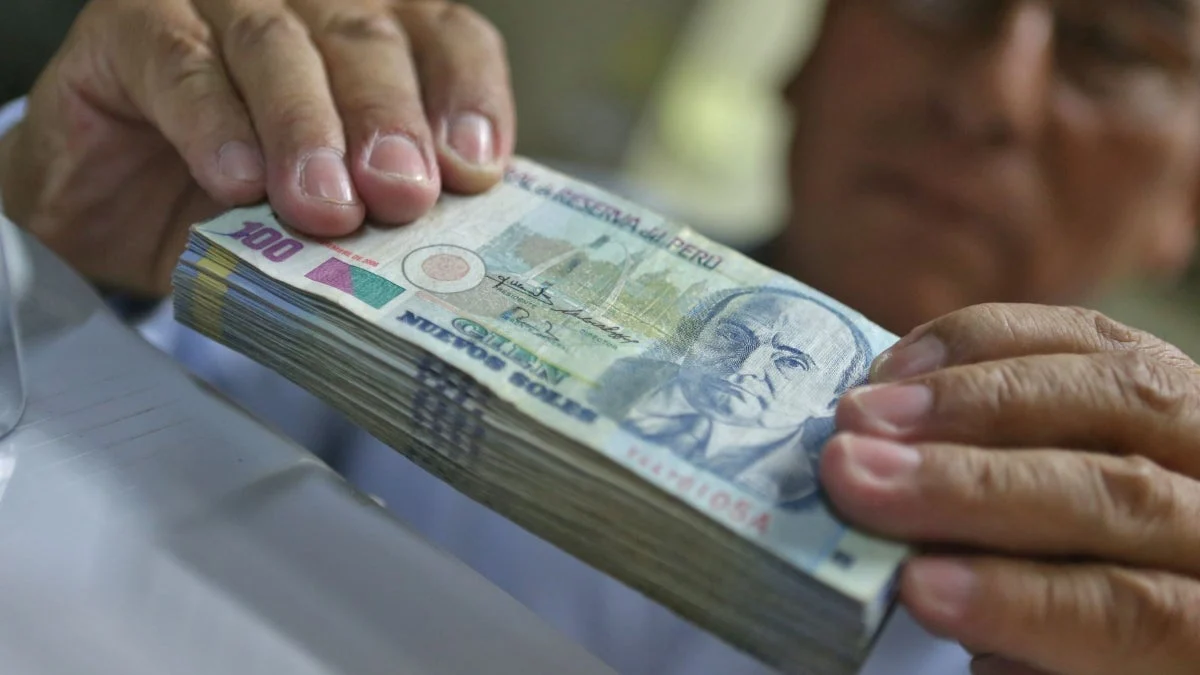
In a move designed to fortify consumer confidence and ensure the ongoing stability of the Peruvian financial system, the Superintendency of Banking, Insurance, and Private Pension Fund Administrators (SBS) has announced a significant upward adjustment to the coverage limit of the Deposit Insurance Fund (FSD). Effective for the upcoming quarter—spanning June through August 2026—the maximum protection threshold for individual and corporate depositors has been set at S/ 122,000.
This adjustment, formalized through Circular F-617-2026, represents a 4.1% increase over the previous coverage limit of S/ 117,200, which governed the system from March to May 2026. As the Peruvian economy navigates evolving inflationary pressures and shifting macroeconomic variables, this policy update serves as a vital pillar of the nation’s financial safety net, ensuring that the real value of consumer savings remains insulated against potential institutional insolvency.
The Mechanics of Financial Security: What the FSD Represents
The Fondo de Seguro de Depósitos (FSD) is not merely a bureaucratic requirement; it is the cornerstone of trust between the Peruvian public and the financial institutions they utilize. It functions as a statutory guarantee mechanism designed to protect depositors in the event that a financial institution supervised by the SBS is declared in dissolution and liquidation.
According to Jorge Carrillo Acosta, a prominent finance expert and professor at the Pacífico Business School, the FSD is the ultimate fallback for the retail and corporate saver. "This backing allows the depositor to recover their principal, including accrued interest, up to the maximum established limit, should a member financial institution face a catastrophic failure," Carrillo Acosta explains.
By guaranteeing the return of capital, the FSD prevents the "contagion effect" that often accompanies bank runs. When depositors are confident that their money is legally protected, they are less likely to withdraw funds prematurely during periods of market volatility, thereby preserving the liquidity and stability of the broader banking system.
Chronology and Regulatory Context
The increase to S/ 122,000 is not an arbitrary figure. It is the result of a rigorous, quarterly adjustment process mandated by the General Law of the Financial System.
A Timeline of Recent Adjustments:
- Late 2025 – Early 2026: Financial regulators monitored the Wholesale Price Index (IPM) as inflationary signals fluctuated across the Latin American region.
- March – May 2026: The coverage limit was maintained at S/ 117,200, providing a stable baseline during the first half of the year.
- June – August 2026: The SBS issued Circular F-617-2026, formalizing the adjustment to S/ 122,000, reflecting the necessary correction to match the IPM’s growth.
The statutory requirement to update this figure quarterly ensures that the coverage keeps pace with the purchasing power of the Sol. By tethering the insurance limit to the Wholesale Price Index, the SBS ensures that the protection remains economically relevant, preventing the "erosion" of the insurance value that would otherwise occur in an inflationary environment.
Scope of Protection: What Is Covered and How?
One of the most common misconceptions regarding the FSD is that it covers all financial assets. It is essential for depositors to understand the boundaries of this protection.
Eligible Financial Products
The FSD covers a wide array of deposit instruments, including:
- Savings Accounts: The most common form of retail deposit.
- Fixed-Term Deposits: Funds locked for a specific duration in exchange for higher yields.
- Checking Accounts (Cuentas Corrientes): Used primarily for transactional liquidity.
- CTS (Compensación por Tiempo de Servicios): The mandatory severance indemnity fund, which is of paramount importance to the Peruvian workforce.
Beneficiaries
The protection is extended to:
- Natural Persons: Individual citizens and residents.
- Private Non-Profit Entities: Foundations and associations that utilize the banking system.
- Other Legal Entities: Specifically for "sight deposits" (demand deposits) held by businesses.
Critical Considerations for Savers
It is important to note that the limit applies per person, per institution. If a depositor holds S/ 150,000 in a single bank, the FSD covers S/ 122,000, leaving the remaining S/ 28,000 exposed to the liquidation process of that specific entity. Consequently, financial literacy experts often advise high-net-worth individuals to diversify their holdings across multiple supervised institutions to maximize their total insurance coverage.
Furthermore, foreign currency deposits are fully protected. However, in the event of an institutional failure, the payout is calculated based on the exchange rate equivalent in local currency (Soles) as of the date of the liquidation declaration. For joint accounts (mancomunadas), the balance is divided proportionately among the account holders before the coverage limit is applied.
Implications for the Financial System and the Public
The increase in the FSD limit has profound implications for both the individual consumer and the financial institutions themselves.
For the Consumer: Increased Peace of Mind
The 4.1% increase effectively signals that the regulatory body is proactively managing the risks associated with the current economic cycle. For the average Peruvian saver, this adjustment acts as an invisible shield, allowing for more aggressive financial planning, such as keeping larger sums in fixed-term deposits to capture higher interest rates without the existential fear of losing the principal.
For the Financial System: Competitive Equity
The FSD is funded by premiums paid by the banks, financial companies, and municipal/rural savings banks (Cajas) that are members of the system. By requiring all supervised entities to participate, the SBS creates a level playing field. Smaller institutions often rely on the FSD as a primary marketing tool to compete with larger, "too-big-to-fail" commercial banks. When the limit increases, it bolsters the credibility of these smaller entities, allowing them to attract deposits that might otherwise flow exclusively to the largest banks.
The Role of the SBS
The SBS acts as the arbitrator and the guarantor of this process. When an entity fails, the SBS does not merely wait for the dust to settle; it proactively generates a registry of all depositors, calculating the exact amount owed to each. This administrative efficiency is what keeps the system functioning even during periods of distress.
Official Responses and Expert Outlook
The financial community has received the news of the increase with a sense of guarded optimism. While the adjustment is seen as a routine technical requirement, it is also viewed as a sign of a robust regulatory framework.
"The fact that the SBS adjusts this figure quarterly, without fail, speaks to the maturity of the Peruvian financial oversight system," says a representative from the Association of Banks of Peru (ASBANC). "It demonstrates that the regulator is in sync with the inflationary realities of the market and remains committed to protecting the public’s trust in the banking system."
However, experts caution that while the FSD is a vital tool, it should not replace personal financial due diligence. "Savers should still evaluate the credit rating and financial health of their chosen institution," says Jorge Carrillo Acosta. "The insurance is the last line of defense, but the first line of defense is choosing a solid, well-capitalized institution."
Conclusion: Looking Ahead
As the June-to-August 2026 window approaches, the increase to S/ 122,000 provides a welcome update for savers across Peru. It serves as a reminder that the stability of a nation’s economy is fundamentally tied to the security of its smallest depositors.
The FSD is more than just a pool of funds; it is an institutionalized promise that, regardless of the turbulent nature of global markets, the savings of the Peruvian people are held in high regard. As the SBS continues to monitor the Wholesale Price Index and adjust the coverage limits accordingly, depositors can remain confident that their financial future is backed by a proactive and vigilant regulatory authority.
Whether you are an individual saver building an emergency fund or a small business owner managing your payroll through a local Caja, the S/ 122,000 threshold offers a standard of protection that ensures that in the event of institutional instability, your hard-earned capital remains secure.