TRUJILLO, PERU – In a decisive move to solidify La Libertad as a powerhouse of regional development, the Private Investment Promotion Agency (PROINVERSIÓN) recently hosted a high-level summit titled "Private Investment – Facilitation for Investment Development." The event, which brought together key stakeholders from the private sector, government officials, and industry leaders, underscored a strategic roadmap to accelerate growth in the agroindustrial, manufacturing, logistics, and energy sectors.
With the region already boasting a staggering USD 2.659 billion in annual agro-exports and a total export volume of USD 7.381 billion recorded in 2025—representing 8.1% of Peru’s total national exports—the timing of this initiative is critical. PROINVERSIÓN is positioning La Libertad not just as a commodity exporter, but as a sophisticated industrial hub capable of integrating advanced technology and modern infrastructure into its supply chains.
Main Facts: A Blueprint for Regional Growth
The summit focused on translating raw economic potential into tangible project pipelines. PROINVERSIÓN’s strategy centers on three pillars: infrastructure development, fiscal incentives, and private-sector facilitation.
The "Facilitation for Investment Development" workshop identified specific opportunities that are currently ripe for capital infusion:
- Agroindustrial Sophistication: The focus has shifted toward high-value activities, including precision agriculture, advanced processing plants, cold chain logistics, and waste-to-energy valorization.
- Logistical Integration: Recognizing the needs of a booming export sector, the agency highlighted the demand for modern distribution centers, refrigerated warehouses, and digital tracking systems to ensure global traceability.
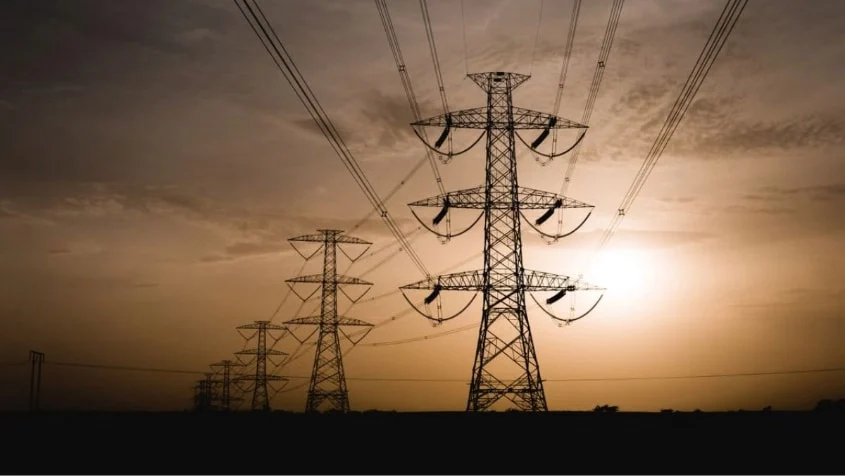
- Energy Transition: To support industrial growth, the region is prioritizing solar and wind energy projects, as well as corporate autoconsumption models and energy efficiency programs.
A cornerstone of the discussion was the presentation of PROINVERSIÓN’s current portfolio for La Libertad, which includes six major Public-Private Partnership (APP) projects valued at approximately USD 1.4 billion. These include the transformative Third Stage of the Chavimochic irrigation project, the Trujillo Wastewater Treatment Plant (PTAR), and essential energy and transport infrastructure.

Chronology of Development: Strengthening the North Axis
The evolution of La Libertad’s economy is deeply linked to the "Eje Norte" (North Axis) infrastructure development strategy. The following timeline outlines the progression of this regional economic engine:
- 2023-2024: Strengthening of regional logistics corridors and the initial push for digital connectivity in rural export zones.
- 2025: The region hits a landmark USD 7.381 billion in exports, confirming the success of existing Public-Private Partnerships.
- Q3 2026 (The Current Context): PROINVERSIÓN launches the new facilitation initiative to bridge the gap between private capital and the next wave of infrastructure needs.
- Future Outlook: The integration of the PTAR Trujillo and the completion of the Chavimochic project are expected to serve as the pillars for the next decade of industrial expansion.
The success of the North Axis is evidenced by the 56 APP projects already adjudicated in the region. These projects have provided the backbone for the connectivity that allows local goods to reach international markets with speed and efficiency.
Supporting Data: Why La Libertad Matters
The economic indicators for La Libertad paint a picture of a region that has successfully moved beyond subsistence farming into the realm of global high-tech agribusiness.
Regional Export Breakdown (2025 Data)
| Sector | Contribution / Significance |
|---|---|
| Agro-exports | USD 2.659 Billion (Annual) |
| Total Exports | USD 7.381 Billion |
| National GDP Share | 8.1% of total Peruvian exports |
| Project Pipeline | 6 major APP projects worth USD 1.4 Billion |
These numbers highlight a region that is structurally sound but hungry for further modernization. The focus on the "Régimen Especial de Recuperación Anticipada del IGV" (RERAIGV)—a tax mechanism allowing firms to recover the General Sales Tax (IGV) during the pre-operational phase—is designed specifically to keep the momentum going by boosting the liquidity of companies planning long-term capital investments.
Official Responses and Strategic Collaboration
During the summit, the presence of the Superintendency of Tax Administration (SUNAT) provided a comprehensive overview of how companies can leverage tax regimes to de-risk their investments. This collaborative approach between PROINVERSIÓN and fiscal authorities is designed to reduce the "bureaucratic friction" that often hampers large-scale projects.

Field Engagement: A Visit to Arato Perú S.A.
A critical component of the summit was a technical site visit to Arato Perú S.A., a leader in the agro-export industry. The visit, conducted in conjunction with the Association for Sustainable Agricultural Development (ADAS), served as a reality check for policy makers.
"Our goal is to listen to the specific pain points of those on the ground," a PROINVERSIÓN spokesperson noted. The site visit allowed officials to observe firsthand the challenges of scaling operations in a high-growth environment. This engagement is expected to culminate in a formal collaboration agreement between PROINVERSIÓN and ADAS, ensuring that the agency’s future services are tailored to the immediate needs of the region’s agricultural giants.
Implications: The Path Forward
The implications of this initiative are twofold. Firstly, by centralizing the information on tax incentives and infrastructure projects, PROINVERSIÓN is effectively lowering the barrier to entry for domestic and foreign investors. Secondly, by emphasizing sustainable energy and efficient logistics, the agency is ensuring that the growth of La Libertad is resilient and aligned with international ESG (Environmental, Social, and Governance) standards.
Strengthening the Public-Private Synergy
The Ministry of Economy and Finance (MEF), through its arm, PROINVERSIÓN, is signaling a shift toward a more proactive, "hand-holding" style of public administration. Rather than acting as a mere regulator, the agency is evolving into a project facilitator.
For the private sector, this means a more predictable environment for long-term planning. For the region of La Libertad, it means the continued development of projects like the Chavimochic irrigation scheme, which is essential to drought-proofing the regional economy and ensuring that the expansion of farmland does not come at the expense of resource depletion.

The Role of Infrastructure in Social Development
While the focus remains on "industrial competitiveness," the downstream effects of these investments are profound. Improved wastewater treatment, expanded energy grids, and better road networks (the core of the 56 APP projects) inherently lift the quality of life for the local population. By creating a competitive environment for businesses, the state is indirectly fostering job creation, improving wages, and incentivizing the professionalization of the local labor force.
Final Assessment
As La Libertad continues to command nearly a tenth of Peru’s export market, the collaboration between private capital and public oversight has never been more vital. The recent jornada in Trujillo was more than just a presentation; it was a clear demonstration that the Peruvian government recognizes the necessity of decentralized growth. By integrating the needs of agro-exporters with the expertise of financial and infrastructure regulators, Peru is building a durable, scalable model for regional development that could serve as a blueprint for the rest of the nation.
The message is clear: The North is open for business, and the mechanisms for success—from tax relief to infrastructure guarantees—are finally being aligned to meet the scale of the region’s massive economic potential.