Date: September 9, 2020
Market Snapshot: Exchange Rate at S/3.36 (Central Reserve Bank of Peru)
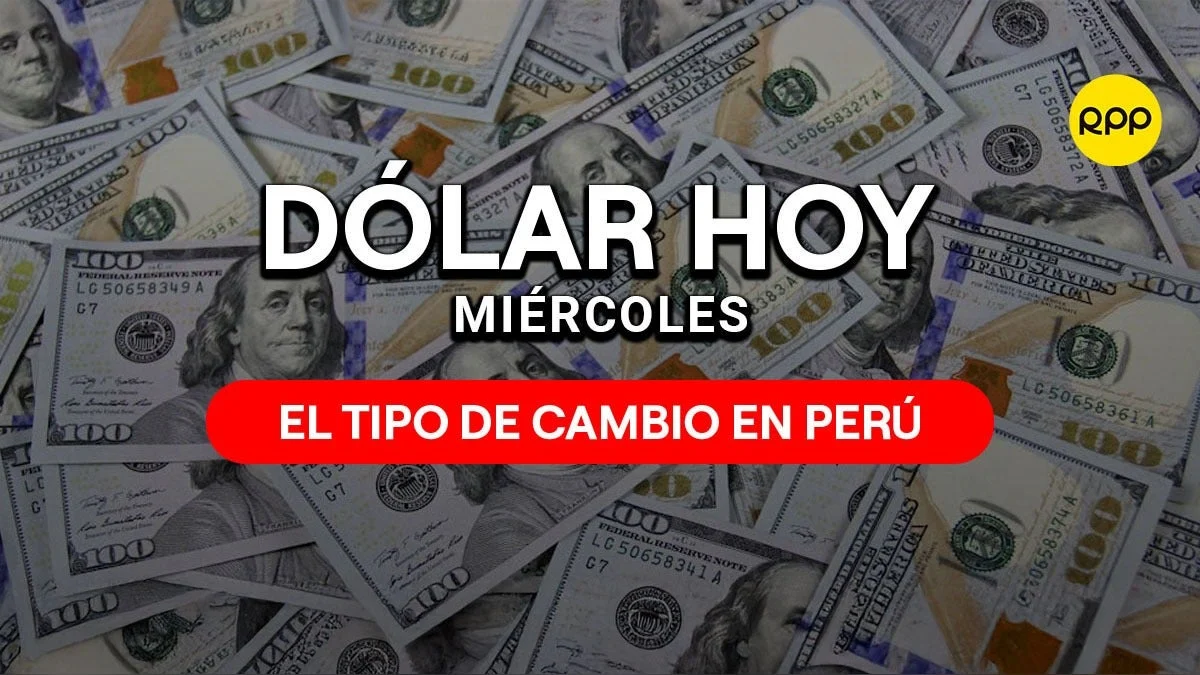
In the intricate tapestry of the Peruvian economy, few threads are as influential or as closely watched as the daily exchange rate of the U.S. dollar. For the average Peruvian citizen, the fluctuations of this currency represent far more than abstract financial data points on a screen; they are a direct reflection of purchasing power, debt obligations, and the rising or falling costs of living. As of Wednesday, September 9, the Central Reserve Bank of Peru (BCRP) has set the exchange rate at S/3.36, a figure that serves as a critical benchmark for both corporate strategy and household budgeting.
Main Facts: The Current Economic Landscape
The Peruvian economy operates under a "managed float" exchange rate regime, meaning the market determines the value of the sol against the dollar, but the BCRP intervenes when necessary to prevent excessive volatility. At S/3.36, the exchange rate sits at a level that necessitates a nuanced understanding of its reach.
The U.S. dollar is not merely an international currency in Peru; it is a parallel store of value. Because a significant portion of the country’s imports are priced in dollars—including fuel, wheat, technology, and medical supplies—the local currency’s strength is inextricably linked to the consumer price index (CPI). When the sol weakens, the cost of these essential goods rises, creating a ripple effect that touches every sector of the national economy.
Chronology: The Evolution of the Sol-Dollar Relationship
To understand the current rate, one must look at the historical trajectory of the Peruvian currency.
- Pre-2000s: Following the hyperinflationary crisis of the late 1980s, the Peruvian economy underwent structural reforms that solidified the dollar as a defensive asset for citizens.
- The 2010s: This decade was characterized by relative stability, where the sol stood as one of the most resilient currencies in Latin America, bolstered by high copper prices and disciplined fiscal policies.
- 2020 Context: By September 2020, the global economic landscape was defined by the COVID-19 pandemic. The uncertainty surrounding global trade, supply chain disruptions, and the massive fiscal stimulus packages in the United States created a volatile environment for emerging market currencies.
- September 2020: The current rate of S/3.36 reflects the ongoing tug-of-war between the global demand for "safe-haven" assets like the dollar and the domestic economic recovery efforts led by the BCRP.
Supporting Data: Why the Exchange Rate Matters
Data from the National Institute of Statistics and Informatics (INEI) consistently shows that a 10% depreciation of the sol can translate into a noticeable uptick in inflation within six months.
Key Sectors Impacted:
- Energy and Transportation: Peru is a net importer of fuels. When the dollar rises, the cost of gasoline and diesel increases immediately, leading to higher logistics costs for food distribution.
- Technological Imports: From smartphones to industrial machinery, the heavy reliance on imported electronics means that consumers and businesses alike face higher capital expenditures when the dollar is strong.
- The Mortgage Market: A significant percentage of long-term debt in Peru, particularly in the real estate sector, remains dollar-denominated. For those earning in soles but paying debt in dollars, a sudden spike in the exchange rate can jeopardize personal solvency.
Official Responses: The Role of the BCRP
The Central Reserve Bank of Peru plays the role of the "guardian" of the currency. According to recent communiqués, the BCRP’s mandate is to maintain price stability, not necessarily to set a specific exchange rate.
Intervention Mechanisms:
- Sterilized Intervention: The BCRP frequently enters the market to sell dollars when volatility spikes, ensuring that the movement is gradual rather than sudden.
- Interest Rate Policy: By adjusting the reference interest rate, the BCRP manages the liquidity of the banking system, which in turn influences the demand for soles versus dollars.
- Communication Strategy: Through its periodic inflation reports, the BCRP attempts to anchor market expectations, providing clarity to investors and reducing speculative behavior that could destabilize the currency.
Implications for the Peruvian Household
For the average citizen, the fluctuation of the dollar is a double-edged sword.
The Debt Dilemma
Those who hold vehicle or mortgage loans in dollars are the most vulnerable to volatility. A rise in the exchange rate means that each monthly payment, when converted from soles to dollars, requires a larger portion of the household income. This reduces discretionary spending, which can slow down the local economy’s retail sector.
The Savings Paradox
Conversely, those who have practiced "dollarization" of their savings benefit from a rising rate. As the sol loses value against the dollar, their assets appreciate in local terms. This highlights the dual nature of the dollar in Peru: it is both a source of anxiety for the borrower and a vehicle of protection for the prudent saver.
Strategic Planning for Families
Financial advisors in Peru suggest several strategies to navigate this environment:
- Currency Matching: It is a fundamental rule of personal finance to keep debt in the same currency as one’s income. If you earn in soles, aim to hold debt in soles.
- Diversification: Maintaining a balanced portfolio of assets—some in local currency and some in foreign currency—can hedge against the inherent risks of the exchange rate.
- Monitoring: Families should factor in a "buffer" for currency fluctuation when planning major purchases, particularly for imported items.
The Broader Economic Horizon: Global Context
Peru does not exist in a vacuum. The value of the dollar is largely dictated by the Federal Reserve (the U.S. Central Bank) and global market sentiment toward emerging economies. When the U.S. economy thrives, capital often flows back into the U.S. Treasury, strengthening the dollar globally.
Furthermore, the price of commodities, particularly copper—Peru’s primary export—plays a vital role. When copper prices are high, there is a greater inflow of dollars into the Peruvian economy, which naturally strengthens the sol. Thus, the exchange rate of S/3.36 is a snapshot of the global demand for Peruvian minerals, the internal fiscal health of the nation, and the overall investor confidence in the local market.
Conclusion: Adapting to a Dynamic Reality
As we move forward, the relationship between the Peruvian sol and the U.S. dollar will continue to be a defining factor of the national economic story. Whether the rate moves toward S/3.30 or climbs toward S/3.40, the impact will be felt in every market, every household, and every corporate boardroom.
The key for the Peruvian public is not to fear the fluctuation, but to understand it. By staying informed, planning for volatility, and making conscious decisions about debt and savings, individuals can mitigate the risks associated with an unpredictable global financial system. The BCRP remains committed to maintaining a stable path, but in a globalized world, the "greenback" will always have a seat at the table of the Peruvian economy.
Understanding these dynamics is not just for economists; it is a vital life skill for every citizen participating in the modern market. As the country continues to navigate the complexities of the 21st-century economy, the dollar will remain the barometer by which we measure our resilience and our prosperity.