Introduction: A New Milestone for South American Energy
In a landmark development for regional cooperation, the nations of the Andean community have solidified their commitment to a shared energy future. During a high-level summit held in Colombia, the "Bogotá Declaration for the Interconnection and Integration of Andean Electricity" was formally signed. This pivotal agreement marks a decisive step toward the creation of an integrated, cross-border electricity market, promising to transform how energy is generated, transmitted, and consumed across South America.
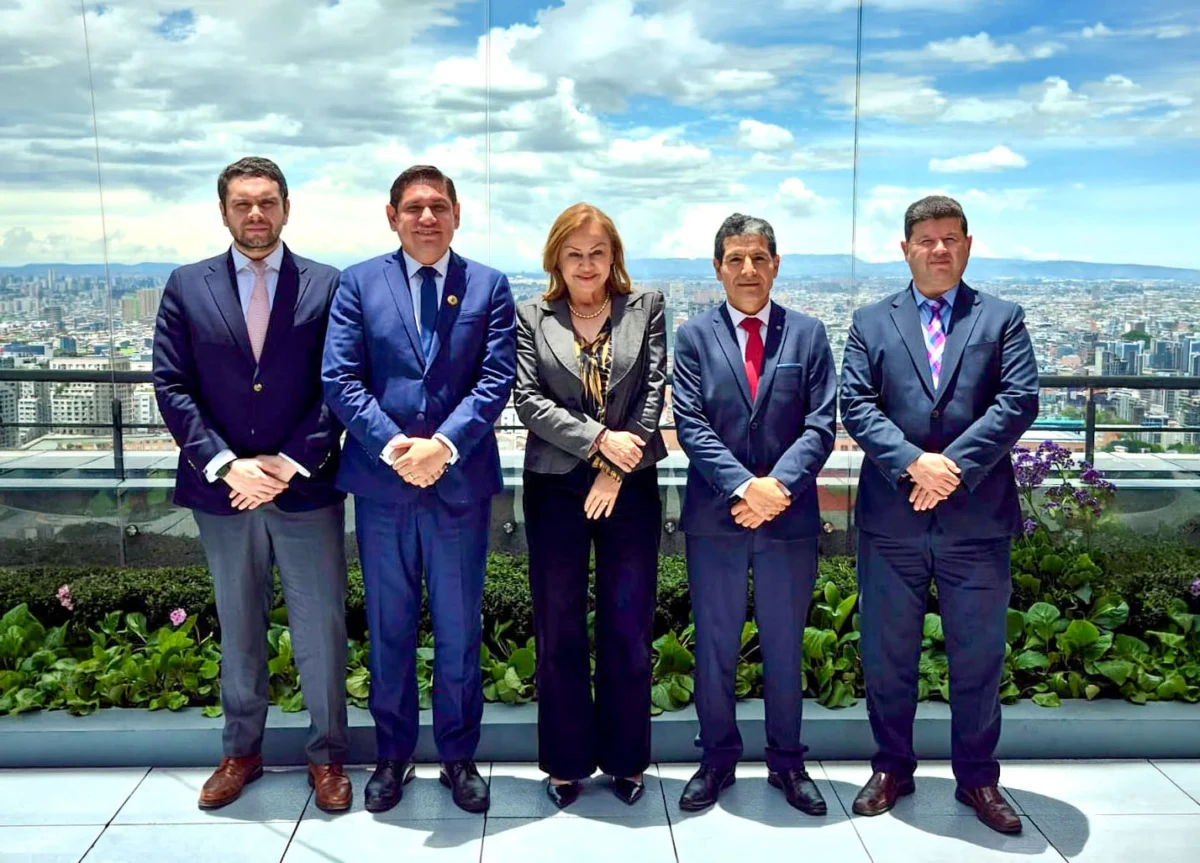
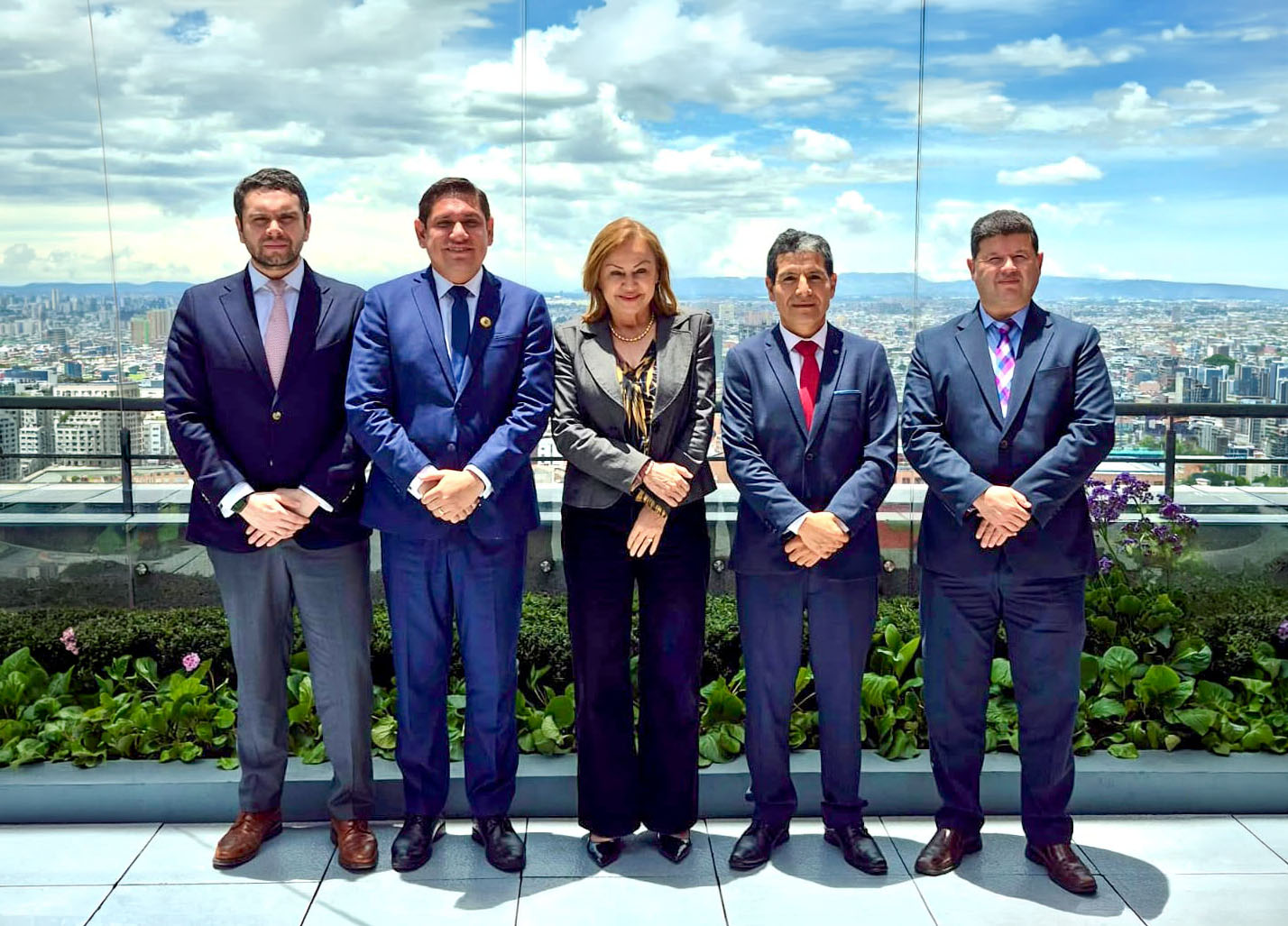
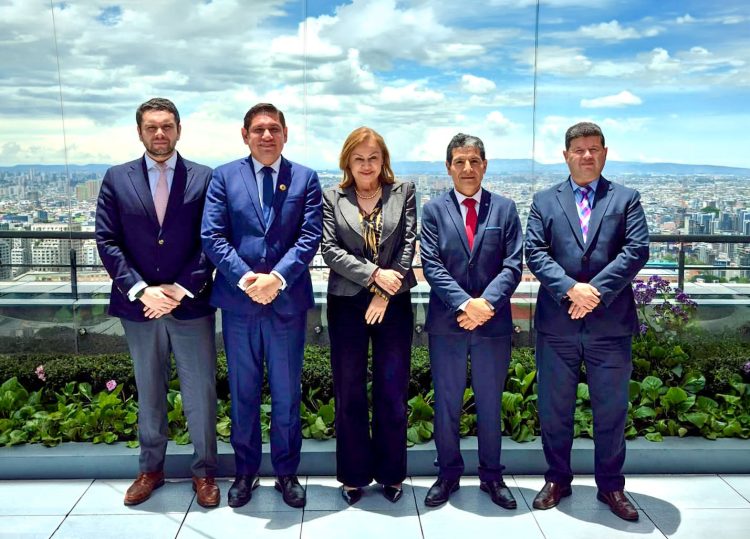
Representing the Peruvian Ministry of Energy and Mines (MINEM), Deputy Minister of Electricity Luis Santillán joined his counterparts from Bolivia, Chile, Colombia, and Ecuador to ratify the document. The declaration acts as a strategic roadmap, building upon the foundations laid by the SINEA (Sistema de Interconexión Eléctrica Andina) 2020-2030 agenda, and signaling a departure from isolated national energy grids toward a unified, resilient, and efficient regional network.
Main Facts: The Core of the Bogotá Declaration
The Bogotá Declaration is more than a diplomatic statement; it is a technical and regulatory commitment to structural change. At its core, the document aims to facilitate the free flow of electricity across borders, allowing nations to leverage their unique resource endowments—whether they be hydroelectric, solar, wind, or thermal—to optimize cost and reliability.
Key Pillars of the Agreement:
- Market Harmonization: The commitment to develop a "Regional Andean Electricity Market" (MAER) that establishes common rules for cross-border transactions.
- Institutional Development: The formalization of a "Regional Coordinator" body, tasked with managing grid operations that span multiple sovereign territories.
- Regulatory Alignment: A pledge to harmonize national legislative frameworks, ensuring that energy policy in Lima is compatible with policy in Bogotá or Santiago.
- Operational Integration: Setting technical standards for transmission lines and load management to ensure that interconnected systems function as a singular, reliable entity.
The participation of the Inter-American Development Bank (BID) and the General Secretariat of the Andean Community underscores the regional importance of this initiative, providing both technical oversight and the potential for long-term multilateral financing.
Chronology: The Road to Bogotá
The path to the Bogotá Declaration has been a multi-year effort characterized by incremental technical successes and persistent diplomatic negotiation.
- 2020: Launch of the SINEA 2020-2030 roadmap, establishing the initial targets for regional connectivity.
- July 2023: A defining moment for Peru, as the government successfully adjudicated the tender for the construction of the Peruvian segment of the Ecuador-Peru 500 kV interconnection.
- Late 2023 – Early 2024: Initiation of the first phase of "Operational Studies" and "Field Implementation Activities" involving the trilateral corridor between Colombia, Ecuador, and Peru.
- 2025/2026: Formation of the binational working group between Chile and Peru, tasked with evaluating the feasibility and regulatory requirements of a direct electrical link.
- September 2026 (The Bogotá Summit): The formal adoption of the Bogotá Declaration, cementing the consensus among the five member nations to accelerate the integration schedule.
Supporting Data: Infrastructure and Connectivity
The technical feasibility of this project rests on high-voltage direct current (HVDC) and alternating current (AC) infrastructure. The 500 kV link between Ecuador and Peru stands as the current flagship project. This line is not merely a conduit for power; it is an economic bridge designed to stabilize energy prices during droughts or periods of peak demand.
The Tripartite Corridor
The ongoing studies for the Colombia-Ecuador-Peru corridor represent one of the most ambitious infrastructure projects in the hemisphere. By linking these three distinct markets, the project aims to:
- Improve Security of Supply: By diversifying the sources of electricity, countries can mitigate the risk of local generation failures.
- Lower Costs: Access to a larger pool of electricity allows for competitive pricing, reducing the reliance on expensive, localized fossil-fuel backups.
- Optimize Renewable Energy: Integration allows for the better utilization of renewable energy spikes. For example, if wind production is high in one region while another experiences a calm period, the grid can balance the load seamlessly.
Official Responses and Strategic Vision
The sentiment from the involved ministries is one of cautious optimism and strategic necessity. For the Peruvian Ministry of Energy and Mines, the Bogotá Declaration represents a clear signal that the nation is open for energy business.
Peru’s Strategic Stance
Deputy Minister Luis Santillán emphasized that for Peru, the agreement is a mechanism for regional resilience. "The signing of this declaration is not just an administrative act; it is a commitment to the energy security of our citizens," stated the Ministry in a follow-up briefing. The government views the integration as a vital component of its national development plan, ensuring that the electrical grid can support the growing industrial demands of the future.
The Role of Multilateral Partners
The BID’s involvement provides a layer of credibility and structural discipline to the process. By providing standardized metrics for success, the BID ensures that the "Regional Coordinator" remains independent and effective, moving away from purely political decision-making toward a data-driven, engineering-led model.
Implications: The Future of the Andean Energy Market
The implications of this agreement are far-reaching, touching upon economic, environmental, and geopolitical dimensions.
1. Economic Efficiency
A unified market reduces the "capacity margin" required for each country. If a nation can import power during an emergency, it does not need to invest billions in redundant, idle power plants. This capital can instead be redirected toward grid modernization and distribution.
2. The Energy Transition
As South America seeks to meet its Paris Agreement climate goals, the interconnection becomes a tool for decarbonization. By sharing a massive regional grid, countries can prioritize the integration of variable renewable energy (VRE) sources. The Andean region, with its vast hydroelectric and solar potential, could potentially become a global leader in clean energy exports.
3. Regulatory Challenges
Despite the optimism, the path ahead is fraught with complexity. Each nation has its own electricity market model—ranging from highly privatized systems to state-led enterprises. Harmonizing these systems requires a delicate balance of sovereignty and collective efficiency. The Bogotá Declaration attempts to solve this by creating a phased approach, where national laws are slowly adapted to accommodate cross-border transactions without sacrificing domestic control.
Challenges and Roadblocks
While the Bogotá Declaration is a triumph of policy, experts note that the transition from paper to reality requires overcoming significant hurdles:
- Financing: Building thousands of kilometers of transmission lines through the rugged terrain of the Andes requires massive capital expenditure.
- Political Continuity: As governments change, maintaining the momentum of long-term projects like SINEA remains a constant challenge.
- Public and Environmental Approval: Large-scale infrastructure projects face rigorous scrutiny regarding their impact on local communities and ecosystems, requiring robust stakeholder management.
Conclusion: A United Grid for a United Future
The Bogotá Declaration for the Interconnection and Integration of Andean Electricity marks a turning point in the history of the region. By moving away from energy nationalism and toward a model of collaborative integration, the Andean nations are laying the groundwork for a more robust, efficient, and sustainable future.
As the implementation phase kicks into gear, the world will be watching to see how these five nations navigate the technical and political complexities of connecting their grids. If successful, the Andean energy market could serve as a blueprint for other emerging regions globally, proving that when neighbors connect their systems, they do more than just share electricity—they share prosperity.
The commitment of leaders like Deputy Minister Santillán and the support of organizations like the BID suggest that the momentum is now irreversible. For the citizens of the Andes, the promise is clear: a more reliable light switch, a more stable economy, and a cleaner energy future for the generations to come. The work of the next decade, under the guidance of the SINEA roadmap, will define the energy landscape of South America for the next century.