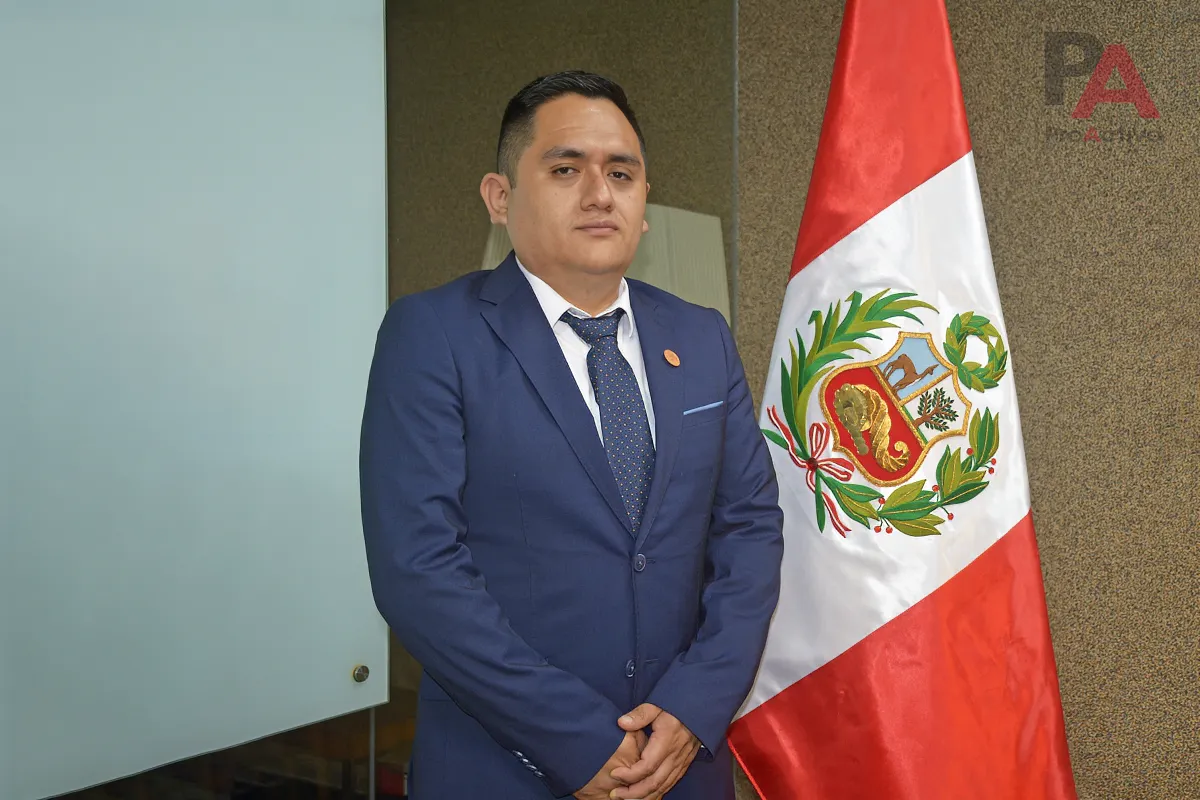
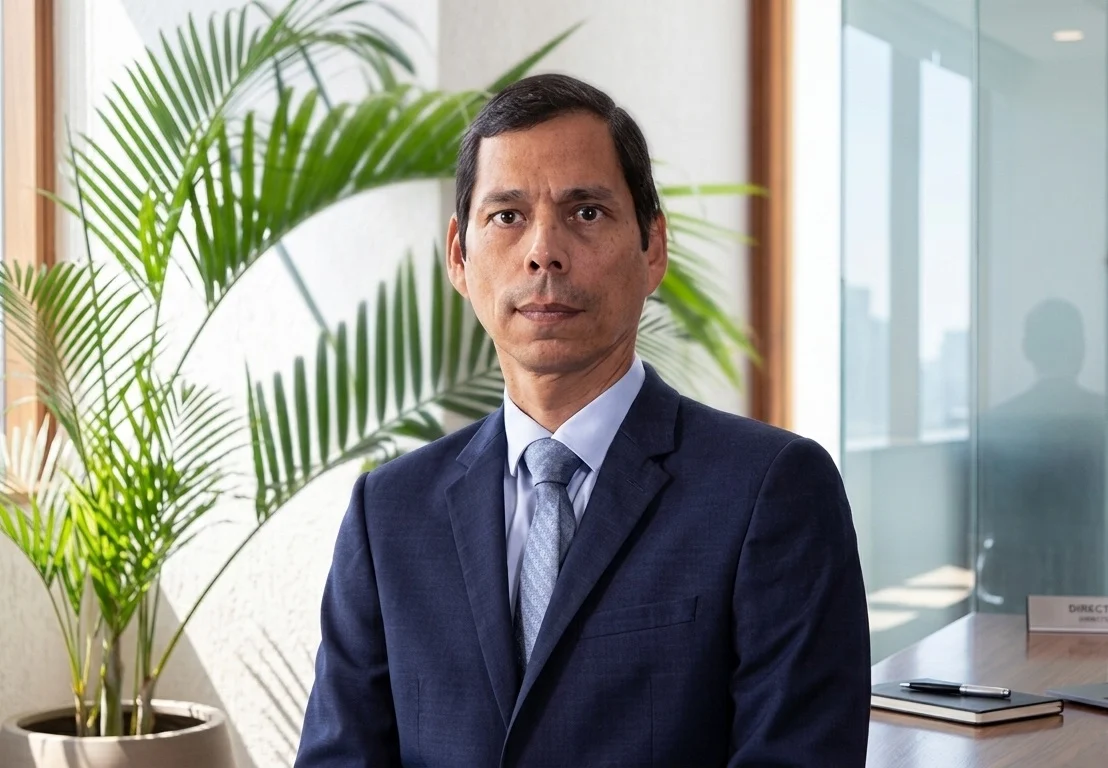
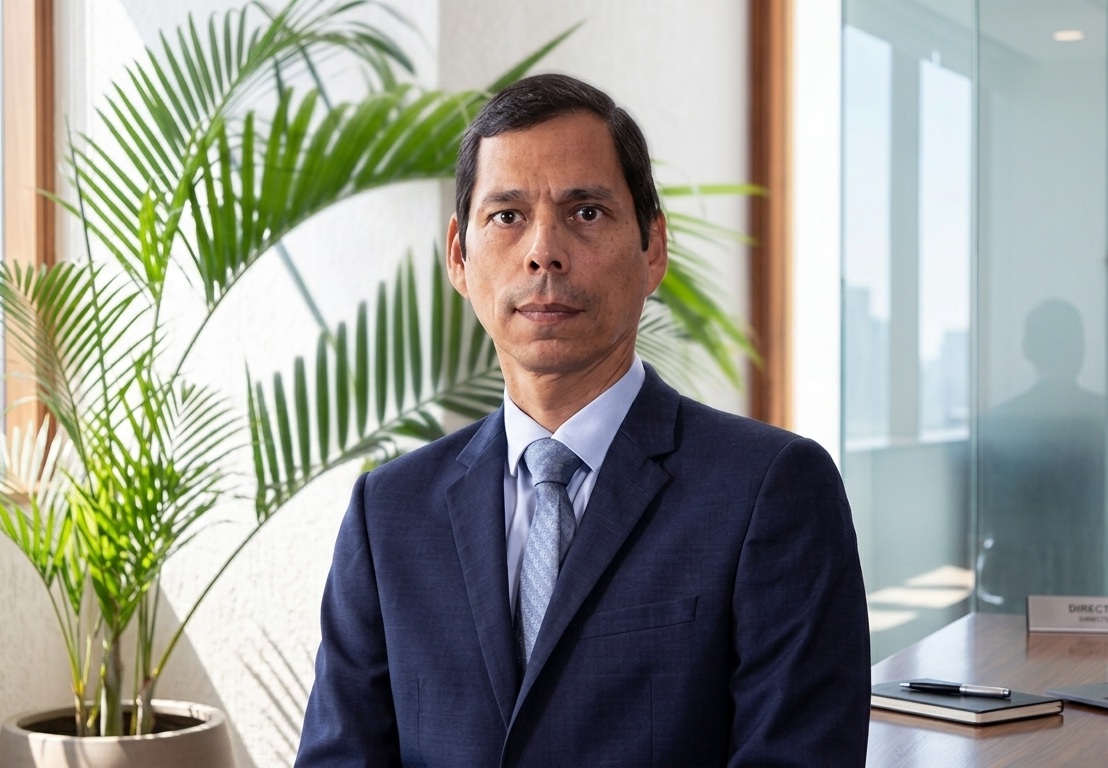
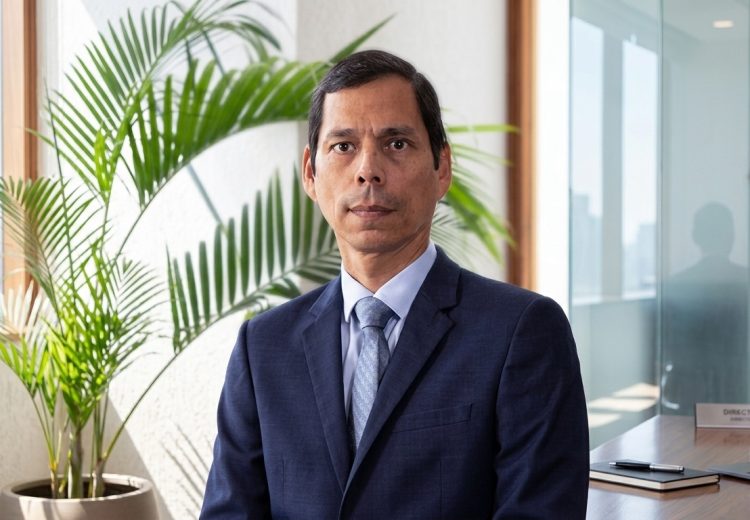
The Peruvian government has officially announced a significant shift in its strategic planning hierarchy with the appointment of Aldo José Chaparro Luy as the new Executive Director of the National Center for Strategic Planning (Ceplan). The appointment, formalized through an executive decree, marks a pivotal transition for the organization, as Chaparro Luy steps into the role to replace outgoing director Luis Enrique de la Flor Sáenz.
This leadership change comes at a critical juncture for Peru, as the nation navigates complex economic challenges, regional development disparities, and the ongoing necessity for long-term policy alignment. As the governing body responsible for the national strategic vision, Ceplan plays a decisive role in defining the country’s developmental trajectory, making the selection of its leadership a matter of national interest.
Professional Profile: A Career Built on Institutional Strengthening
Aldo José Chaparro Luy is a distinguished legal professional, having earned his law degree from the Pontifical Catholic University of Peru (PUCP). His career is characterized by a deep engagement with the public sector, spanning various technical and advisory roles that bridge the gap between policy formulation and administrative execution.
Prior to his appointment at Ceplan, Chaparro Luy served as an advisor to the leadership of Agromercado, the entity formerly recognized as Sierra y Selva Exportadora. His tenure there was marked by efforts to enhance the commercial viability of agricultural products from Peru’s rural highlands and jungle regions, an experience that provided him with a granular understanding of the logistical and economic bottlenecks hindering regional growth.
His background is further bolstered by his tenure as the General Coordinator of the Urban Cadastre project at COFOPRI (the Agency for the Formalization of Informal Property). In this capacity, he was instrumental in streamlining land tenure documentation, a project essential for urban planning and social equity. Additionally, his experience includes a significant stint at the Ministry of Economy and Finance (MEF), where he served on the technical team of the National Council for Competitiveness. This role was foundational, as it required him to analyze national productivity metrics and devise strategies to improve Peru’s standing in international business environments. Furthermore, his time as an advisor to the Executive Presidency of PROMPERÚ provided him with international trade insights, rounding out a resume that is uniquely positioned to handle the multidimensional nature of Ceplan’s mandate.
The Role of Ceplan: Architects of Peru’s Future
To understand the weight of this appointment, one must consider the institutional mandate of Ceplan. Operating as a technical body attached to the Presidency of the Council of Ministers (PCM), Ceplan serves as the rector of the National System of Strategic Planning.
Established under Legislative Decree N° 1088, Ceplan is charged with the creation, implementation, and evaluation of the national strategic plan—commonly known as the Plan Estratégico de Desarrollo Nacional (PEDN). Its mission is to ensure that all levels of government—national, regional, and local—operate under a coherent, long-term framework. By aligning public investment with the country’s broader developmental goals, Ceplan acts as the "architect" of Peru’s future, attempting to mitigate the effects of short-term political cycles on critical infrastructure and social development projects.
Chronology: A Trajectory of Public Service
The professional evolution of Aldo José Chaparro Luy reflects a consistent upward trajectory within the Peruvian bureaucratic machinery:
- The Formative Years: Academic training at the PUCP provided the legal framework necessary for navigating complex regulatory environments, a skill that would define his future interventions in state agencies.
- Economic Competitiveness Phase: During his time at the Ministry of Economy and Finance, Chaparro Luy focused on structural reforms, collaborating with the National Council for Competitiveness to identify barriers to private sector growth and state efficiency.
- Infrastructure and Formalization: His leadership at COFOPRI on the Urban Cadastre project signaled a shift toward operational, on-the-ground public management, focusing on the intersection of property rights and urban development.
- Export and Agribusiness Strategy: As an advisor at Agromercado and PROMPERÚ, he refined his focus on economic internationalization, helping to align rural production with global market demands.
- Executive Appointment (Current): His transition to the head of Ceplan represents the culmination of these diverse experiences, positioning him to oversee the macro-level planning that links economic, social, and infrastructure goals.
Supporting Data: Challenges Facing the Incoming Director
The transition occurs at a time when Peru is re-evaluating its "Bicentennial Plan." Data from recent years suggests that while Peru has seen periods of robust growth, there remains a disconnect between national planning and local implementation.
For the incoming director, the primary challenge will be the integration of the "Bicentennial Plan to 2050." This document, which serves as the current blueprint for national development, requires continuous monitoring and adaptation to factors such as climate change, demographic shifts, and the transition toward a digital economy.
Statistics from the National Institute of Statistics and Informatics (INEI) indicate that regional inequalities persist, with significant gaps in infrastructure between the coast and the Andean/Amazonian regions. Chaparro Luy’s background in land formalization and agricultural development suggests that his tenure may prioritize the decentralization of planning efforts, ensuring that regional governments have the technical capacity to implement the directives set forth by Ceplan.
Official Responses and Stakeholder Expectations
The appointment of Chaparro Luy has been met with measured optimism by observers of the Peruvian public administration. While the outgoing director, Luis Enrique de la Flor Sáenz, was noted for his focus on institutional stability, there is an expectation that Chaparro Luy will bring a more aggressive, results-oriented approach to the organization.
The Presidency of the Council of Ministers (PCM) has emphasized that this change is part of a broader strategy to "energize" the technical agencies of the state. In recent statements, government officials highlighted the need for a "dynamic planning model" that can respond to the volatility of the global economy.
Industry analysts suggest that the business sector, particularly those involved in large-scale infrastructure and export, will be watching to see how the new director manages the relationship between national strategic goals and the private sector’s investment plans. The ability to harmonize these two forces is essential for maintaining the country’s credit rating and investment-grade status.
Implications: A Shift in Strategic Governance
The implications of this leadership change are multi-layered:
1. Inter-Agency Synergy
Given his history with the MEF and PROMPERÚ, Chaparro Luy is expected to strengthen the ties between Ceplan and the country’s economic powerhouses. This could lead to more robust, data-driven planning that considers fiscal sustainability as a core component of any strategic initiative.
2. Focus on Decentralization
His experience at COFOPRI suggests a focus on the territorial dimension of planning. Peru’s developmental challenges are often hindered by the inability of local governments to execute budgets effectively. By refining the strategic guidelines provided to regional authorities, Chaparro Luy may attempt to bridge the implementation gap that has plagued previous administrations.
3. Policy Continuity vs. Innovation
The fundamental question for any new head of a technical agency is the balance between continuity and change. While the Plan Estratégico de Desarrollo Nacional provides a steady compass, the methods of delivery require innovation. Stakeholders will be looking for signs of digital transformation within Ceplan’s tracking mechanisms, ensuring that the progress toward the 2050 goals is transparent and accessible to the public.
Conclusion: The Path Ahead
The appointment of Aldo José Chaparro Luy as Executive Director of Ceplan is more than a routine bureaucratic adjustment; it is a signal of the current administration’s priorities. By selecting an individual with a multidisciplinary background—ranging from legal frameworks and economic competitiveness to urban formalization and export strategy—the government has opted for a leader capable of synthesizing complex information into actionable policy.
As he takes the helm, Chaparro Luy faces a demanding agenda. He must ensure that Ceplan remains the objective, technical conscience of the Peruvian state, resisting the pressures of political expediency while effectively guiding the country through a volatile global landscape. With his extensive experience, the new director is well-equipped to foster the institutional synergy required to translate long-term vision into tangible national progress.
The success of his tenure will ultimately be measured by the ability of Ceplan to move beyond the production of academic planning documents and toward the creation of a tangible, prosperous, and equitable future for all Peruvian citizens. As he begins his term, the eyes of the academic, political, and business communities will be focused on how he maneuvers the complex interplay of interests that defines the landscape of Peruvian strategic planning.