As climate forecasts increasingly point toward an "extraordinary" intensity for the upcoming El Niño phenomenon, the Peruvian government has shifted its focus toward proactive social protection. With millions of lives and livelihoods potentially at stake, the Ministry of Development and Social Inclusion (MIDIS) is currently spearheading an intensive effort to build a comprehensive nominal registry. This initiative aims to identify and map the most vulnerable populations across the country, ensuring that emergency aid and financial subsidies can be deployed with surgical precision should the climate event escalate into a national disaster.
The Impending Challenge: Why the Nominal Registry Matters
The potential impact of El Niño on food security and economic stability is a major concern for both international organizations and the Peruvian state. Recent warnings from the World Food Programme (WFP) have underscored the gravity of the situation, noting that up to 50 million people globally could face acute food insecurity due to climate-driven disruptions. In Peru, where geographical diversity creates a mosaic of climate risks—from coastal flooding and landslides in the highlands to drought-induced water stress in the south—the government’s response must be multifaceted.
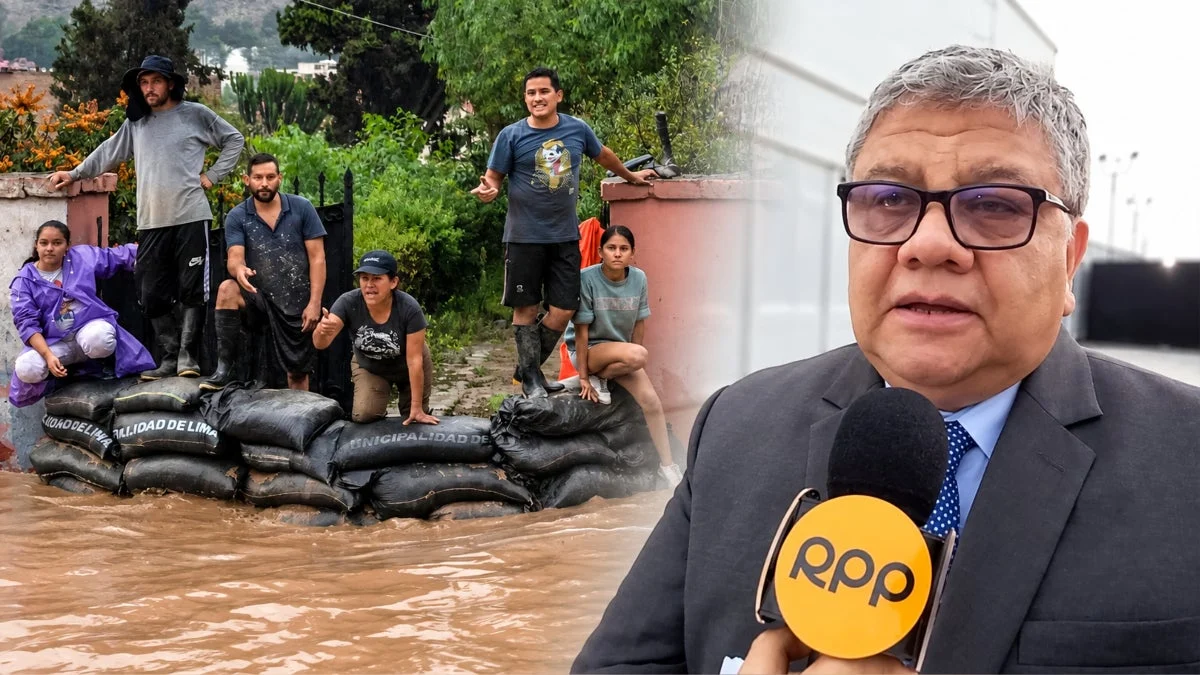
Carlos Salazar, the Vice Minister of Social Policies and Evaluation at MIDIS, emphasized in a recent interview with RPP that the current administrative priority is to remove the logistical bottlenecks that have historically plagued information management. "We are unlocking several issues that our Information Office previously faced," Salazar stated during his participation in the Peru Sustainable 2026 Summit. "We are now advancing with a nominal registry that will allow us to understand the full magnitude of the populations currently in this situation of vulnerability."
This registry is not merely a list of names; it is a strategic tool. It aims to bridge the gap between existing social program users and those living in the shadows of formal support systems—specifically, those residing in areas adjacent to high-risk zones who might otherwise be overlooked during a crisis.
Chronology of Government Preparedness
The trajectory of the government’s response has evolved as the climate forecasts have solidified. The following timeline outlines the progression of this strategy:
- Early Assessment Phase: As meteorological data began indicating the potential for a severe El Niño, MIDIS initiated a cross-referencing of data from existing social programs (such as Juntos, Contigo, and Qali Warma) with geographical hazard maps provided by national disaster management authorities.
- Identification of Risk Zones: By the middle of the current quarter, the ministry successfully identified 760 districts nationwide that are categorized as high-risk. These zones were selected based on their susceptibility to three primary threats: flash flooding, mudslides in quebradas (ravines), and agricultural water stress.
- Operational Deployment: With the identification of these districts, field teams were dispatched to conduct door-to-door assessments. The objective was two-fold: to gather real-time data for the nominal registry and to provide direct guidance to families regarding potential evacuation protocols.
- Policy Integration: Parallel to the data collection efforts, the Ministry of Economy and Finance (MEF) began coordinating with MIDIS to design potential fiscal buffers. Discussions regarding the implementation of direct cash transfers, modeled after the successful stimulus programs deployed during the COVID-19 pandemic, were brought to the forefront of the cabinet’s agenda.
Supporting Data: Mapping the Risk Landscape
The magnitude of the task facing the Peruvian government is defined by the geography of the country. The 760 identified districts are not uniform in their vulnerability. Instead, they represent a complex network of communities requiring tailored interventions.
According to Vice Minister Salazar, the ministry’s strategy involves segmenting these districts by the nature of the threat. For instance, in northern regions, the primary focus is on flood-resistant infrastructure and the rapid distribution of food supplies. In the southern highlands, the strategy pivots toward mitigating "hydric stress," which threatens the livestock and subsistence farming that underpin the local economy.
The data gathered from these 760 districts is being integrated into a centralized dashboard that allows the central government to simulate the impact of various climate scenarios. By understanding the density of vulnerable households in specific basins or valley floors, the state hopes to preemptively position resources before the weather turns.
Official Responses: Between Subsidies and Sustenance
The economic dimension of the response has been articulated by the Minister of Economy and Finance, Elmer Cuba. Acknowledging the fiscal pressures of a climate disaster, Cuba confirmed that the administration is seriously evaluating the implementation of a national bonus program.
"For families, we are thinking of a direct assistance type of bonus, similar to what was done during the pandemic," Cuba stated. The goal is to provide immediate liquidity to households that lose their primary source of income due to damaged infrastructure, crop failure, or the inability to access local markets.
However, the government is also cautious about over-promising. Vice Minister Salazar noted that while the intent is to provide support, the actual volume and distribution of this assistance remain fluid. "The scope of the aid is dependent on the moment of the disaster and what specific situation presents itself," Salazar explained. "We are working with various projected scenarios, but we must maintain the capacity for immediate reaction once the real magnitude of the emergency is known."
Implications for Social Protection in the Long Term
The current push to modernize the nominal registry has profound implications for the future of social policy in Peru. Traditionally, social programs in the region have been reactive, focusing on poverty alleviation as a static state. The integration of climate risk data into these programs signifies a shift toward "adaptive social protection."
1. Continuity of Services
One of the most critical aspects of the current strategy is the guarantee of continuity. Salazar was categorical: "Even if a disaster occurs, we will not stop providing support to our users." This means that the delivery of food, educational support, and health check-ups will be prioritized even in the face of logistical disruptions. The ministry is currently stress-testing its supply chain mechanisms, including the procurement and distribution networks for food, to ensure that they are resilient enough to function under adverse weather conditions.
2. Bridging the Formal-Informal Gap
A major challenge for the Peruvian state is the high level of informality in the labor market, which complicates the distribution of aid. By expanding the nominal registry beyond current program beneficiaries, the government is essentially attempting to expand its "social reach." If successful, this project could provide a blueprint for how to support the "missing middle"—those who are not poor enough to qualify for traditional welfare but are too vulnerable to withstand a catastrophic climate event without support.
3. The Digital Transformation of Welfare
The "unlocking" of the Information Office mentioned by Salazar points to a broader trend: the digital transformation of public administration. By moving away from fragmented, paper-based records toward a dynamic, digital registry, the government is reducing the time between the occurrence of a disaster and the activation of aid. This technological upgrade is expected to reduce corruption and ensure that funds reach the intended recipients directly, bypassing middlemen.
Conclusion: A Race Against the Climate
As the clouds gather and the meteorological warnings continue to be issued, the Peruvian government is caught in a race against time. The preparation of a nominal registry, the identification of high-risk districts, and the contingency planning for direct economic bonuses are all parts of a comprehensive strategy designed to absorb the shock of an impending climate crisis.
While the exact nature of the damage remains unknown, the focus on data-driven, proactive intervention marks a significant step forward in the country’s resilience. The success of these efforts will ultimately be tested by the climate itself, but the current administration appears determined to ensure that, should the worst happen, the most vulnerable members of society are not left to face the consequences alone. Through the integration of technology, field-based intelligence, and fiscal foresight, Peru is setting the stage to navigate what may be one of its most challenging environmental tests in recent history.