By Political Correspondent
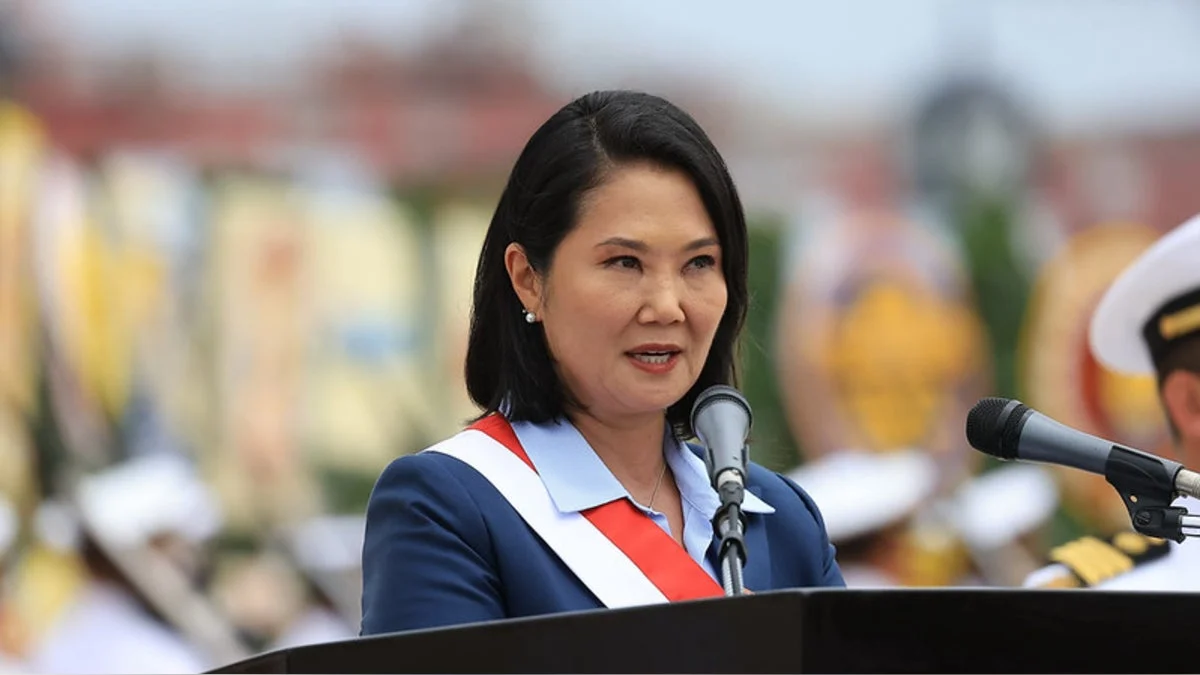
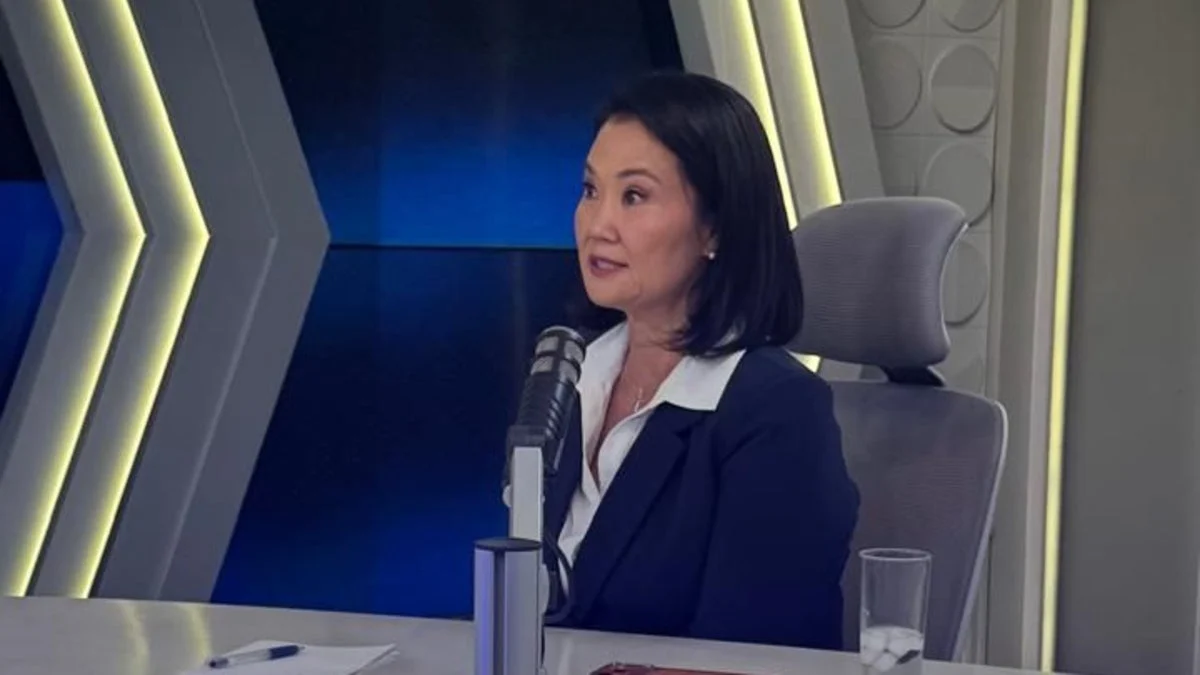
In a wide-ranging interview with RPP, President Keiko Fujimori has taken a firm stance to address ongoing public and media speculation regarding her relationship with Argentine businessman Damián Valenzuela Mayer. While acknowledging that Valenzuela provided support during her recent electoral campaign, the President categorically rejected claims that he exerts any influence over her current administration or the inner workings of the Fuerza Popular party.
The discourse surrounding this relationship has intensified in recent weeks, fueled by media reports and political commentary. By confronting these allegations directly, the President aims to delineate the boundaries between her professional political responsibilities and her personal associations.
The Core Facts: A Voluntary Collaboration
President Fujimori’s statements during the RPP broadcast were designed to clarify the nature of her association with Valenzuela. She characterized the relationship as purely “amical” (friendly), rooted in the context of the intense pressures of the electoral cycle.
"There is no relationship with the government or the party," the President stated firmly. She explained that she met Valenzuela approximately two years ago. According to her account, he is one of several individuals who contributed their time and expertise to her campaign on a voluntary basis, alongside other figures such as Carlos Díaz Rosillo and Román Cendoya.
Fujimori underscored that once the electoral process concluded, Valenzuela ceased to have any professional engagement with her or her political team. "The campaign ended, and Mr. Valenzuela has not returned to Peru," she clarified, maintaining that their ongoing connection is restricted to a cordial, personal friendship. She further insisted that none of the volunteers who assisted her during the campaign have any involvement in her government or access to her cabinet ministers.
Chronology of the Controversy
To understand the current political climate, it is necessary to examine the timeline of these allegations.
Early 2024: The Electoral Context
During the height of the electoral campaign, various experts and consultants provided strategic advice to the Fuerza Popular ticket. Damián Valenzuela was identified as one of these contributors. At the time, his involvement was seen as standard procedure for a major presidential campaign, as candidates often rely on international consultants and volunteer networks to manage logistics, outreach, and messaging.
August 2024: Initial Scrutiny
Public interest shifted from professional collaboration to personal speculation in August, when media outlets published images of the President and the Argentine businessman together. This sparked a wave of rumors concerning the nature of their relationship. At that time, President Fujimori issued a public statement clarifying that the contact was limited to campaign-related collaboration and explicitly denied any romantic or undisclosed professional ties.
September 2026: The RPP Interview
The current cycle of questions arose as opposition figures and some segments of the media began questioning whether such “outside” figures could exert shadow influence over the executive branch. In her interview this week, President Fujimori sought to put these concerns to rest, emphasizing that her focus remains entirely on the governance of the nation and that her administrative decisions are independent of outside counsel.
Supporting Data: The Nature of Campaign Contributions
The debate over Damián Valenzuela highlights a broader issue in Peruvian politics: the role of external advisors and the transparency of campaign support. In political science, the distinction between formal campaign staff and external volunteer advisors is often blurred, leading to public suspicion.
- Transparency Standards: While the President has maintained that the support was voluntary, watchdog groups often point out that political transparency requires a clear accounting of all forms of non-monetary assistance.
- The "Shadow Influence" Narrative: Critics argue that even unpaid advisors can wield significant influence if they maintain a close personal relationship with a head of state. President Fujimori’s preemptive denial is an attempt to neutralize this narrative before it gains traction within the legislature.
- Historical Precedents: Peruvian history is replete with instances where individuals outside the formal government structure were perceived to have undue influence. The President’s explicit assertion that none of her campaign volunteers are involved with her ministers is a strategic move to preemptively distance her cabinet from any external pressures.
Official Responses and Political Strategy
The President’s strategy in this matter appears to be twofold: transparency regarding her past actions and a sharp redirection toward her current policy goals.
Refuting Personal Speculation
Beyond the political implications, the President addressed the gendered nature of the criticism she has faced. She noted that her personal life has been a frequent target for unsubstantiated rumors. "For a long time, I have been linked to four or five different people," she noted during the interview. By calling out these rumors as "inventions," she aims to shift the narrative from her personal life back to her professional record.
A Renewed Commitment
Perhaps the most significant part of her statement was the reiteration of her vow to the electorate. "From July 28 of this year and for the next five years, my commitment is to Peru," she affirmed. By framing the conversation around her five-year term, she signals to both her supporters and her opposition that she is focused on long-term institutional stability rather than short-term controversies.
Implications for the Administration
The political fallout of this situation could have several long-term implications for the Fujimori administration.
1. Stability of the Cabinet
By distancing her ministers from any association with her campaign volunteers, the President is attempting to shield her cabinet from investigations or inquiries that might arise from these rumors. If the opposition in Congress attempts to use the Valenzuela connection to call ministers for questioning, they will likely face a strong defense based on the President’s public assurances.
2. Public Trust and Media Relations
The RPP interview served as a platform for the President to reset her relationship with the press. By answering direct questions about the controversy, she is attempting to demonstrate a level of accessibility that contrasts with the traditional "fortress" style of past administrations. However, the success of this strategy will depend on whether the media continues to treat the issue as a significant story or accepts the President’s closure of the topic.
3. Party Cohesion
Fuerza Popular, as a political entity, benefits from a leader who can project strength and independence. By clearly delineating her relationship with the businessman, Fujimori prevents the opposition from creating a wedge between her and her party base, who may be sensitive to perceptions of "foreign influence" in their government.
Conclusion
As the administration moves forward, the "Valenzuela incident" serves as a reminder of the heightened scrutiny placed on modern political figures. The President has made it clear that while she appreciates the contributions of those who helped her achieve electoral victory, the governance of Peru is a sovereign task that remains solely in her hands.
The focus now shifts to whether this clarification will suffice to quell the curiosity of the press and the skepticism of political rivals. For now, President Fujimori’s message is clear: the campaign is over, the volunteers have stepped back, and the work of governing the nation is the only priority that remains. As she navigates the complexities of her term, the President will likely continue to face the challenge of balancing personal friendships with the rigorous demands of public office, all while keeping the eyes of the nation fixed on the progress of her policy agenda.