Executive Summary: A Precautionary Intervention
The Vatican and global Catholic communities are currently focused on the health of Pope Leo XIV, who recently announced that he will undergo a surgical procedure to address a pulmonary nodule. Despite the gravity that any medical intervention carries for an aging pontiff, the government of Peru has moved to quell speculation regarding the potential cancellation of the Pope’s high-profile diplomatic and pastoral tour of South America.
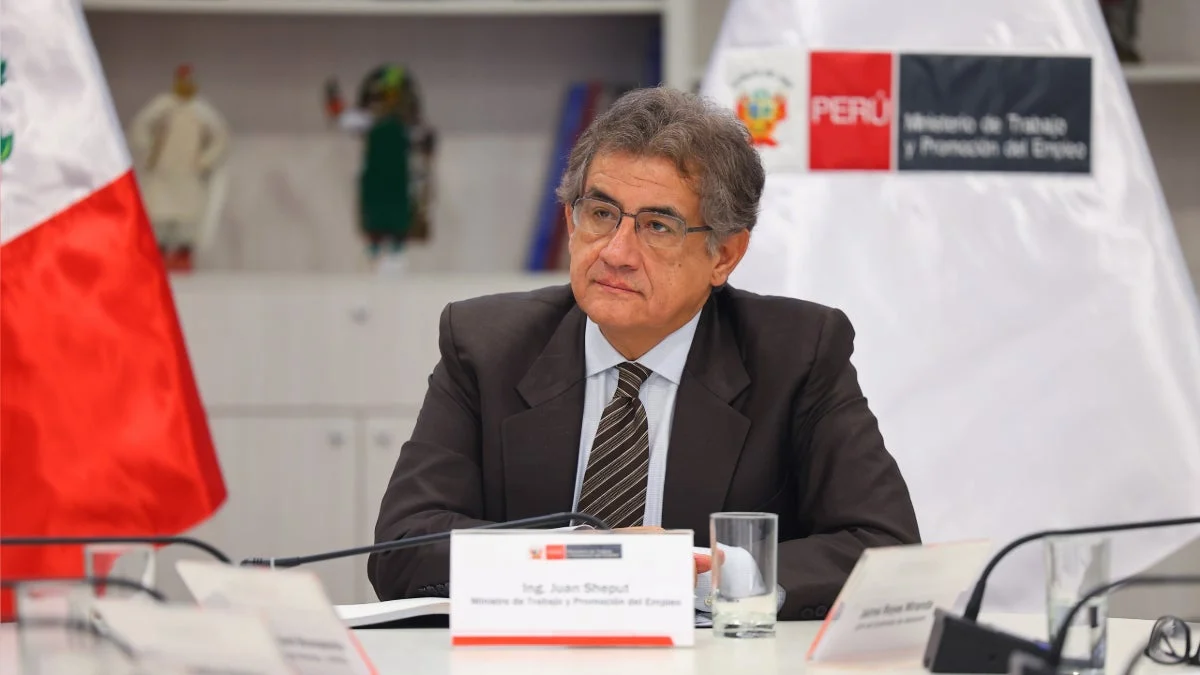
Scheduled for November, the tour remains a centerpiece of regional diplomatic efforts. According to the Peruvian Minister of Labor, Juan Sheput, the Executive branch has received no information suggesting a postponement. Officials describe the upcoming operation as a "preventative measure" designed to mitigate future health risks rather than an emergency response to a critical condition. This stance has provided a degree of reassurance to both the faithful and the political establishment as they prepare for a visit expected to draw millions of pilgrims.
Chronology of Events: From the Angelus to the Operating Room
The timeline of the Pope’s health concerns has unfolded rapidly over the past week, sparking a wave of global concern that culminated in official prayers and statements of solidarity.
The Announcement at St. Peter’s Square
The news was first broken by the Pope himself. Following the traditional Sunday Angelus prayer, addressed to thousands of pilgrims gathered in St. Peter’s Square, the pontiff spoke with characteristic candor about his health. He revealed that medical examinations had detected a nodule on one of his lungs, necessitating surgical removal. The announcement was brief but direct, aimed at managing public expectations and maintaining transparency with the global Church.
The Medical Context
While the Vatican has remained tight-lipped regarding specific clinical details, experts suggest that pulmonary nodules are frequently benign, though they require excision for biopsy and risk reduction. The timing is particularly delicate, as the procedure is scheduled to occur less than one month before the Pope’s departure for a grueling three-nation tour of Peru, Uruguay, and Argentina.
Official Response in Lima
Following the announcement, the political class in Peru reacted swiftly. Minister Juan Sheput, alongside prominent opposition figures such as Keiko Fujimori, attended a mass at the Church of Las Nazarenas. This act of spiritual solidarity was intended to signal national support. During the event, Sheput clarified that the Peruvian government’s logistical planning continues as if the visit were proceeding on schedule, emphasizing that the Vatican has provided no signals to suggest otherwise.
Supporting Data: Logistics of the Papal Visit
The papal tour, slated for November 6–17, is not merely a religious event; it is a massive logistical undertaking involving state security, infrastructure, and public health management.
The Scope of the Apostolic Journey
The visit to Peru is the culmination of months of diplomatic negotiations between the Holy See and the Peruvian government. The itinerary includes:
- Papal Masses: Large-scale outdoor liturgies requiring significant crowd-control measures.
- State Protocol: Formal meetings with the President of Peru and diplomatic envoys.
- Regional Travel: Visits to remote provinces where infrastructure is limited and requires specialized logistics.
Economic and Administrative Preparation
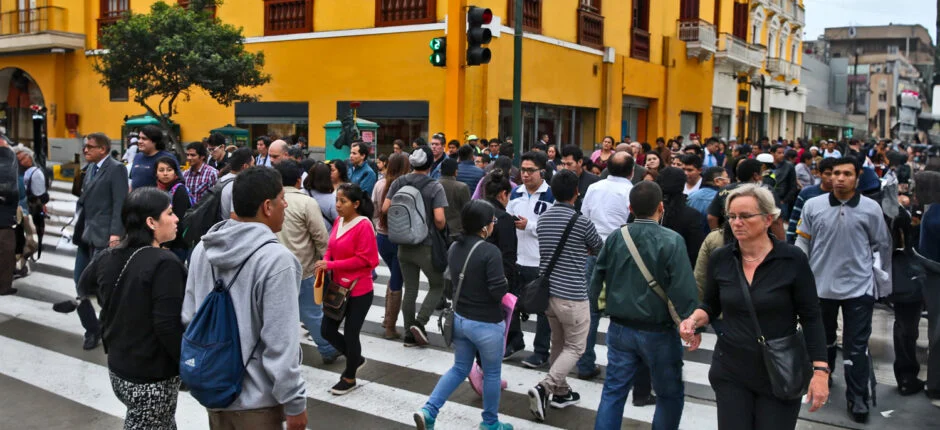
The Ministry of Foreign Trade and Tourism (MINCETUR) has already begun discussing the possibility of regional holidays to facilitate participation in the papal events. These "macro-regional" holidays are intended to alleviate traffic congestion and allow citizens to travel to host cities without compromising the productivity of the workforce. The fact that these discussions remain active indicates that the Peruvian state is fully committed to the original timeline.
Official Responses and Diplomatic Solidarity
The news has triggered an outpouring of sympathy from across the political spectrum in Peru, demonstrating the central role the Catholic Church plays in the country’s social fabric.
The Government Position
Minister Juan Sheput has become the primary spokesperson for the government’s stance. In his address to the media, he stated, "We have full hope that the scheduled week of the visit will be fulfilled. The reports from the Vatican describe a preventative operation, and therefore we trust that the program destined for Peru will be carried out without a hitch." This professional optimism is calculated to maintain public calm and ensure that the momentum of the preparations does not stall.
Political Solidarity
Keiko Fujimori, a major figure in Peruvian politics, issued a formal statement via her official X (formerly Twitter) account. Her message, which echoed the sentiments of many, stated: "I wish to express, on behalf of the Peruvian people and on my own behalf, our deep feeling of affection and solidarity to His Holiness, Pope Leo XIV, in the face of this health circumstance that we hope he can overcome fully and successfully." Such statements serve to bridge political divides, uniting the country under a common cause of supporting the Pope’s recovery.
Implications: Risks and Future Considerations
While the official tone remains optimistic, the health of a pontiff is inherently a matter of global security and institutional stability.
The Burden of the Itinerary
A multi-nation tour through South America, characterized by high altitudes, significant temperature fluctuations, and an exhaustive schedule, is a strenuous endeavor even for a healthy individual. The decision to proceed with the surgery now suggests that the medical team believes the recovery period will be sufficient for the Pope to regain the stamina required for international travel. However, medical professionals often caution that postoperative recovery in elderly patients can be unpredictable.
Contingency Planning
Behind the scenes, the Vatican Secretariat of State and the Peruvian Ministry of Foreign Affairs are likely maintaining a "Plan B." While public discourse emphasizes "no changes," standard diplomatic protocol dictates that contingency plans are drafted for any high-level international visit. This includes the possibility of shortening the duration of the visit, reducing the number of public appearances, or delegating certain ceremonial duties to high-ranking Cardinals if the Pope’s energy levels are restricted.
The Impact of Public Perception
The public’s perception of the Pope’s health has a direct impact on the success of the visit. If the faithful believe the Pope is traveling in a weakened state, it could lead to excessive anxiety and a shift in the tone of the event from one of celebration to one of concern. By framing the surgery as a proactive measure, the Vatican and the Peruvian government are effectively managing the narrative, ensuring that the public views the Pope as taking care of his health in order to fulfill his mission, rather than struggling to keep up with his responsibilities.
The Spiritual Component
In the context of Peruvian culture, which is deeply rooted in Catholicism, the "Señor de los Milagros" (Lord of the Miracles) is a powerful symbol. The fact that the Episcopal Conference has specifically asked for prayers through this icon demonstrates the seriousness with which the situation is treated. This spiritual mobilization acts as a social buffer, allowing the public to feel they are contributing to the Pope’s recovery, which in turn maintains a positive atmosphere regarding the upcoming visit.
Conclusion: A Test of Faith and Planning
The coming weeks will be critical. The successful completion of the surgery and a positive recovery report from the Vatican will be the defining factors for the visit to South America. For the government of Peru, the strategy is clear: maintain all systems at full capacity, continue the logistical preparations, and project confidence.
Pope Leo XIV’s journey is more than a diplomatic tour; it is a manifestation of the Church’s connection to its Latin American base. As the world watches, the intersection of medical necessity and pastoral duty highlights the vulnerability of even the most powerful offices. For now, the message from Lima is one of unwavering anticipation and, above all, prayer. The Peruvian government remains prepared to welcome the pontiff, trusting that the surgical intervention will provide the longevity required for him to continue his leadership of the Church on the global stage.