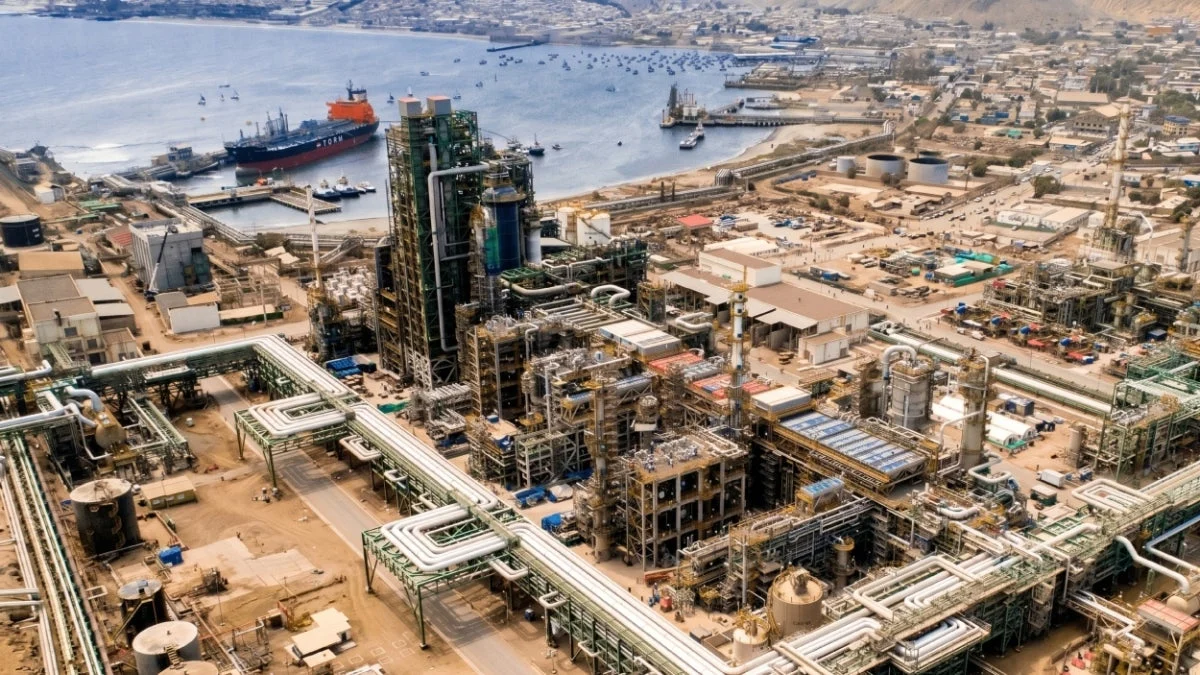
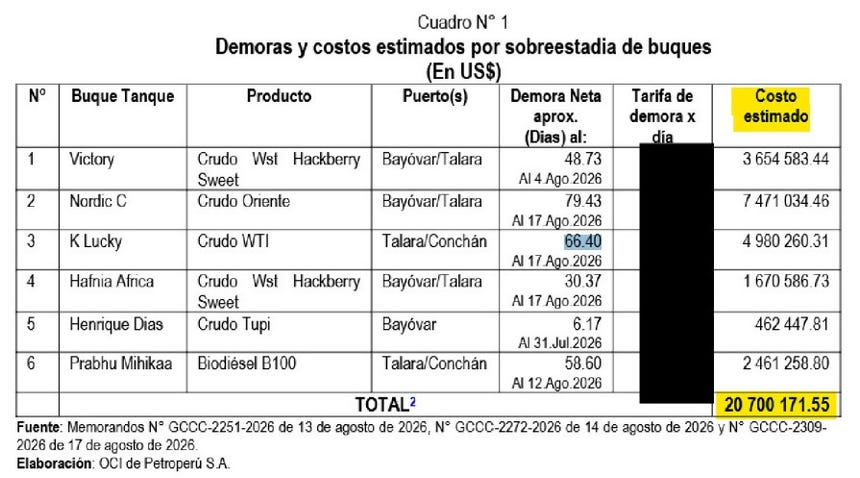
The state-owned oil giant Petroperú finds itself trapped in a vicious cycle of liquidity shortages and operational paralysis. According to a scathing new report from the Office of the Comptroller General of the Republic (Contraloría), the company has hemorrhaged over US$39 million in just eight months—between January and August 2026—due to excessive maritime "demurrage" penalties. These costs, which stem from the company’s inability to unload imported fuel shipments on time, represent not merely a logistical failure but a profound systemic crisis that threatens the nation’s energy security.
The Anatomy of the Crisis: Financial Insolvency at the Port Gates
At the heart of the report is a clear, diagnostic finding: the massive delays in unloading crude and refined products at Peruvian ports—including critical hubs like Bayóvar, Talara, and Conchán—are not the result of volatile sea conditions or unforeseen maritime accidents. Instead, they are the direct, inevitable consequence of Petroperú’s catastrophic lack of liquidity.
The logistical bottleneck is simple in concept but devastating in practice. Because Petroperú lacks the cash to meet the stringent contractual prepayment terms demanded by international fuel suppliers, the company has been forced into a state of "hand-to-mouth" operations. Suppliers, wary of the company’s creditworthiness and lack of available cash, frequently halt pumping operations mid-discharge. This forces vessels to remain in harbor, "floating" at sea while awaiting the next partial payment.
These delays have caused the company to exceed its contractual "laytime"—the allotted period for loading and unloading before penalties accrue. As these periods are breached, the financial damage compounds, adding millions of dollars in fees that, ironically, further deplete the very capital needed to secure future shipments.
A Chronology of Financial Erosion
The current crisis is not a sudden eruption but the culmination of a multi-year trend of fiscal deterioration. The data provided by the Comptroller’s office paints a grim timeline of how Petroperú’s operational capacity has been systematically hollowed out.
The Escalation (2022–2025)
For years, the warning signs were ignored. Between 2022 and the end of 2025, Petroperú accumulated a staggering US$186.8 million in demurrage penalties. This figure represents capital that has effectively been incinerated, providing no return on investment, no product to sell, and no benefit to the Peruvian taxpayer. It is pure economic loss.
The 2026 Catastrophe
By January 2026, the situation reached a breaking point. As of August 17, 2026, the company had already recorded a loss of US$39,159,898 in penalties. The report identifies a recurring pattern:
- January–March 2026: Initial liquidity constraints lead to the first series of "fractional" discharges.
- April–June 2026: The frequency of delayed vessels increases, with some ships spending over two months waiting at anchor in Peruvian waters.
- July–August 2026: The Comptroller launches a formal investigation as the accumulated penalty debt reaches record-breaking levels for an eight-month window.
The report notes that as of the date of the audit, several vessels were still in queue, suggesting that the final total for 2026 will likely far exceed the current US$39 million figure, potentially setting an all-time record for annual losses due to demurrage.
Data Analysis: The Cost of Inaction
To understand the scale of this mismanagement, one must look at the specific operational failures cited by the Comptroller:
- Failure of Prepayment Compliance: Petroperú’s inability to guarantee payment at the moment of arrival has turned international suppliers into reluctant partners. Instead of seamless unloading, the company is forced into fragmented operations, where every pause requires a new, desperate search for cash.
- Fractional Discharging: When the money runs out mid-unload, the valves close. To restart the process, the company must settle the next tranche of debt, creating a stuttering, inefficient, and expensive logistics chain.
- The "Idle Vessel" Phenomenon: The report highlights a list of specific tankers that spent weeks, and in some cases months, idling off the coast. The cost per day for these vessels is astronomical, and in a market where timing is everything, these ships are essentially paying rent for their own inactivity.
Official Responses and the Ultimatum
The gravity of the situation has prompted an urgent response from the Office of the Comptroller. On August 21, 2026, the Comptroller issued a formal mandate to the current Chairman of the Board of Petroperú, Oliver Stark Preuss.
Stark, who returned to the helm of the company after previously warning about the severity of its financial instability in 2024, has been given a strict five-day deadline to respond. The mandate requires Stark to provide a detailed plan of action regarding:
- Immediate Corrective Measures: What steps will be taken to clear the current backlog of ships without incurring further penalties?
- Preventative Strategy: How does the current board plan to secure the necessary lines of credit or emergency funding to ensure that future shipments are paid for in full and on time?
- Accountability: The provision of all supporting documentation that justifies current operational decisions and an explanation of why previous warnings from the Comptroller’s office were not adequately addressed.
The pressure on the board is immense. The administration is tasked not only with keeping the lights on at the refinery but with convincing creditors and the government that the company is capable of being salvaged under its current structure.
Broader Implications: The Shadow of Reform
This logistical crisis is unfolding against the backdrop of a significant political and structural upheaval. The company is currently operating under the shadow of the controversial Decree of Urgency No. 010-2025, a piece of legislation passed in late 2025 by former President José Jerí.
The decree was designed as a "lifeline" to save the company, focusing on a total restructuring of its assets and management. However, as the latest data from the Comptroller indicates, the "restructuring" has yet to translate into functional reality on the ground. The persistence of the demurrage problem suggests that the deep-seated financial issues—the lack of cash flow, the inability to manage working capital, and the reliance on expensive, short-term crisis management—remain unaddressed.
The Impact on Energy Security
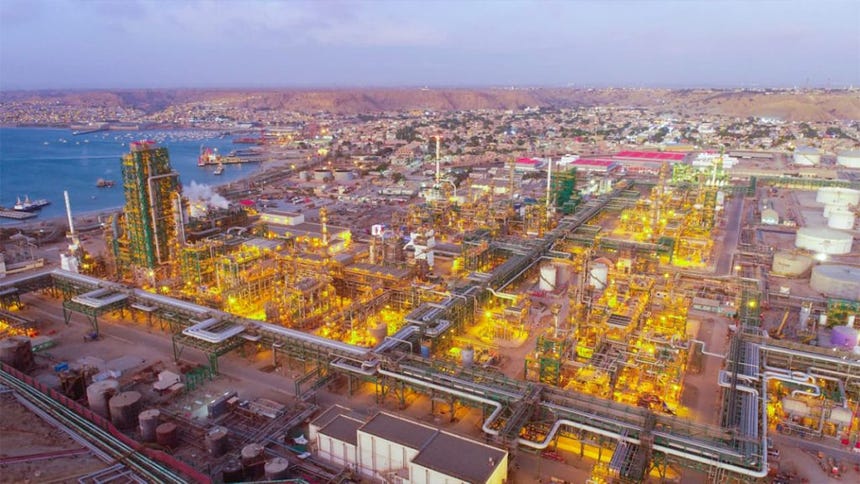
For the average Peruvian, these numbers are more than just bureaucratic statistics. They represent a fundamental risk to the country’s energy security. If Petroperú cannot reliably pay for fuel imports, the potential for supply chain disruptions becomes a matter of "when," not "if." While the country has not yet faced widespread fuel shortages, the fragility of the current system means that a single major supplier withdrawal could have immediate consequences at gas stations and power plants across the nation.
The Economic Burden
Furthermore, the nearly US$200 million lost in total to demurrage since 2022 represents a massive opportunity cost. That capital could have been directed toward infrastructure, maintenance, or paying down the company’s massive debt burden. Instead, it has been paid out to foreign shipping firms, effectively subsidizing inefficiency.
Conclusion: A Turning Point for Petroperú
The report from the Comptroller General is a clear signal that the status quo is no longer tenable. Petroperú is not just battling a lack of money; it is battling the consequences of a broken logistics model that has been starved of the necessary liquidity to function in a global market.
As Oliver Stark and his board prepare their response to the Comptroller, the eyes of the public and the financial markets will be on the company. The question remains: can Petroperú be reformed, or has the cycle of financial decay reached a point of no return? With the government’s attempts at restructuring already under intense scrutiny, the next few months will be decisive for the future of Peru’s state-owned oil giant. The millions of dollars lost in the harbors of Peru are a reminder that in the energy sector, time is quite literally money—and for Petroperú, time is running out.