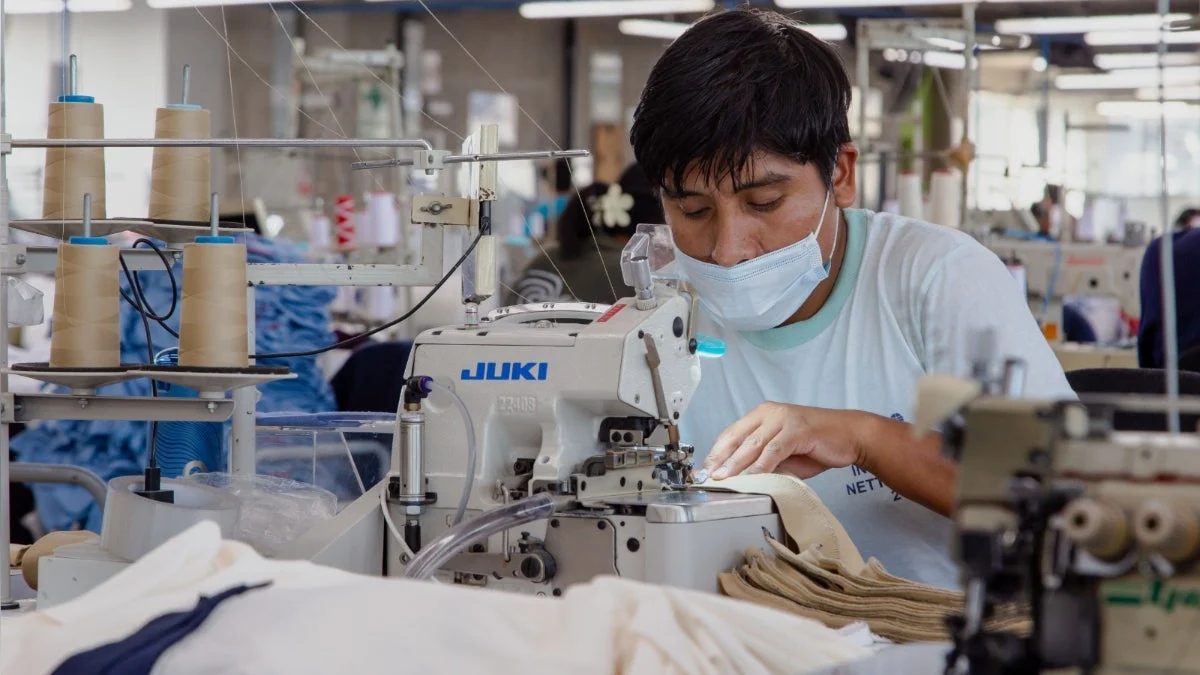
The industrial sector in Peru is bracing for a period of extreme volatility as the specter of the El Niño phenomenon (FEN) looms over the national economy. According to the latest Industrial Opinion Survey conducted by the Institute for Economic and Social Studies (IEES) of the National Society of Industries (SNI), the textile and apparel sector—a vital pillar of the Peruvian economy—faces a perfect storm of supply chain disruptions, shifts in consumer demand, and material shortages that could compromise the stability of thousands of businesses.
Main Facts: The Textile Sector at a Crossroads
The primary concern among industry leaders is the misalignment between production cycles and the unpredictable nature of the climate. In the textile industry, manufacturing is dictated by rigid, seasonal calendars. Producers plan their inventories months in advance, betting on predictable shifts in weather patterns to move specific clothing lines—such as winter woolens or summer cottons.
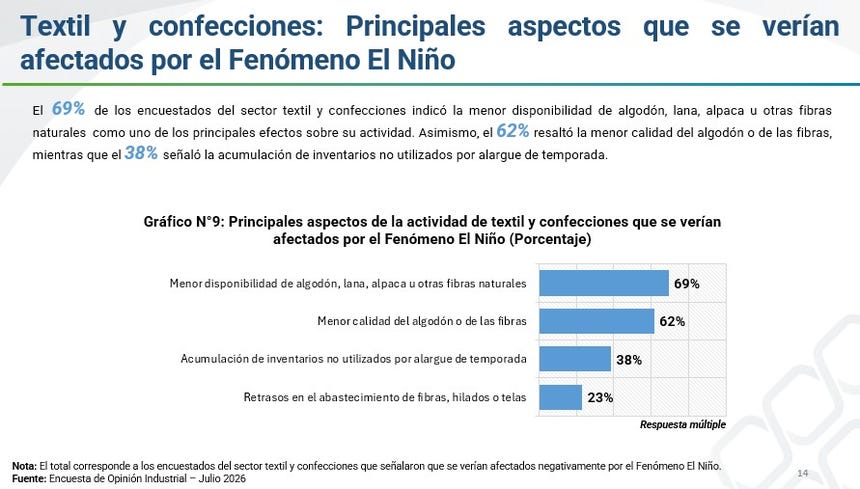
However, the SNI survey highlights that 38% of textile entrepreneurs are now warning of a significant accumulation of "dead inventory." If the climate deviates from the norm—for instance, if an unusually long summer persists into months traditionally reserved for autumn collections—the goods currently in warehouses will no longer match the immediate needs of the market. This creates a cascade effect: capital is tied up in unsold stock, warehouse capacity is exhausted, and the necessity to liquidate goods at discounted prices becomes inevitable, eroding profit margins across the board.
Chronology of a Climate-Induced Crisis
The path to this current state of high alert has been marked by a series of atmospheric warnings and economic indicators:
- Early 2025 – Q2 2025: Initial signs of surface warming in the equatorial Pacific began to raise concerns among meteorologists. During this phase, the textile industry began early, cautious adjustments to their supply chain, primarily focusing on long-lead time raw materials.
- August 14, 2026: The Multisectoral Commission for the Study of the El Niño Phenomenon (ENFEN) issued a critical update, maintaining the "Coastal El Niño Alert." The report signaled a high probability that the event would reach "strong" or "extraordinary" intensity during the 2026-2027 summer period.
- Late August 2026: Consequent to the ENFEN report, the SNI finalized its survey results. The data revealed that the apprehension had permeated the entire manufacturing sector, moving beyond just clothing manufacturers to include plastics, rubber, and packaging industries.
- Current Status: Peru has already begun experiencing the erratic effects of the phenomenon, with unseasonal rainfall and localized flooding reported in various regions. The disruption of critical logistics infrastructure, such as the blockage of access routes to major tourist and trade hubs like Machu Picchu, has served as a tangible warning of the logistical chaos that may ensue as the event intensifies.
Supporting Data: The Magnitude of the Impact
The data from the SNI paints a sobering picture of an industry under pressure. Beyond the threat of inventory obsolescence, the supply chain for raw materials is under significant strain:
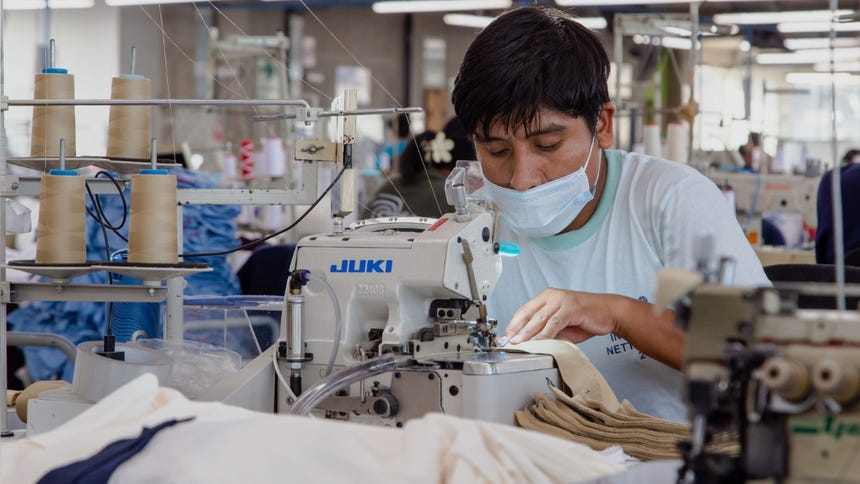
- Raw Material Scarcity: A staggering 69% of textile entrepreneurs anticipate a lower availability of essential natural fibers, including cotton, alpaca, and wool. These fibers are the backbone of Peru’s global textile reputation, and any disruption in their harvesting or processing capacity is a direct blow to the country’s export competitiveness.
- Quality Degradation: 62% of those surveyed expressed concern regarding the quality of these raw materials, fearing that climate stress on crops and livestock will lead to a lower-grade output.
- Logistical Bottlenecks: 23% of firms expect significant delays in the procurement of imported yarns, fabrics, and chemical components. In an industry that operates on a "just-in-time" basis, these delays can paralyze factory floors.
- The Depth of Concern: Perhaps most tellingly, 29% of textile business owners classify the potential impact of El Niño on their operations as "high or very high," while an additional 50% categorize the threat as "moderate." In total, 80% of the industry expects to be negatively affected by the upcoming summer, with only 7% anticipating no impact at all.
Official Responses and Sectoral Vulnerability
The government, through the ENFEN committee, remains on high alert. The official narrative is one of preparation, but the private sector is demanding more robust infrastructure resilience. The SNI has repeatedly called for improvements in drainage and road maintenance, noting that the textile industry is not just vulnerable to the weather, but to the breakdown of the physical infrastructure required to move goods from factories in Lima to domestic retailers and international ports.
The crisis, however, is not confined to textiles. Other manufacturing branches are mirroring this anxiety:
- Plastics and Rubber: 63% of business owners in this sector are currently looking at a total reprogramming of their production schedules. Because they function as suppliers to other industries (such as food and beverage), they are highly sensitive to the downstream effects of the climate crisis.
- Packaging: 56% of companies in the packaging sector expect a significant drop in demand. As companies in agriculture and retail potentially scale back their operations due to the disaster, the demand for crates, bottles, and shipping containers is projected to plummet.
Implications for the Future: A Paradigm Shift?
The implications of this climate crisis are profound and likely to force a fundamental change in how Peruvian businesses operate.
1. The Need for "Climate-Proofing" Supply Chains
The traditional model of relying on a handful of local suppliers for natural fibers is becoming increasingly risky. Companies are now looking at diversifying their sourcing geographically to ensure that if one region is hit by flooding, another can maintain production. This, however, comes at a higher cost, which may ultimately be passed on to the consumer.
2. Operational Flexibility
The "all-or-nothing" nature of seasonal production is being questioned. Manufacturers are exploring "agile manufacturing" techniques that allow them to pivot production lines from one type of garment to another with minimal lead time. By holding a higher percentage of "blank" or semi-finished goods, companies hope to be able to react to real-time weather data rather than relying on stale annual forecasts.
3. Financial Resilience
With the prospect of high inventory levels and potential supply chain ruptures, access to credit will be critical for SMEs in the textile sector. Many firms are now engaging with financial institutions to secure lines of credit specifically designed to buffer against climate-related revenue shocks.
4. Technological Integration
The use of predictive analytics and satellite weather monitoring is moving from a luxury to a necessity. Companies that can accurately forecast localized climate impacts will be the ones that effectively manage their inventory and avoid the pitfalls of the current El Niño cycle.
Conclusion
As Peru approaches the summer of 2026-2027, the textile and manufacturing sectors find themselves at a critical juncture. The data provided by the SNI serves as a wake-up call: the era of assuming stable climate conditions for industrial planning is over. While the resilience of the Peruvian entrepreneur is well-documented, the potential intensity of this upcoming El Niño requires a coordinated response between the private sector and the state.
Whether the industry emerges from this season with its market share intact will depend on its ability to transition from reactive crisis management to a proactive, data-driven, and flexible business model. The stakes are not merely financial; they involve the livelihoods of thousands of workers who depend on the stability of the textile and manufacturing value chains. For now, the watchword for the industry is caution—and a desperate hope that the coming summer, while inevitably hot and wet, does not prove catastrophic.